

Hair Nutrition Blog


Your Scalp Microbiome: What Actually Matters, What Is Nonsense, and Why Your Routine Might Be Making Things Worse
The scalp microbiome has become one of the biggest buzzwords in haircare. Every other brand is now launching "microbiome-friendly" shampoos, probiotic scalp serums, and prebiotic hair masks. The marketing suggests that if you just buy the right product, you will unlock some hidden ecosystem on your head and your hair will flourish. The reality is more interesting, more nuanced, and frankly more useful than that. Your scalp microbiome is real, it does genuinely influence hair health, and it is remarkably easy to disrupt. But most of the advice circulating online is either oversimplified, misleading, or designed to sell you something that will not work. This is a myth-busting guide to what your scalp microbiome actually is, what disrupts it, what supports it, and where nutrition fits into the picture in ways most people overlook entirely. What Your Scalp Microbiome Actually Is Your scalp is home to trillions of microorganisms. Bacteria, fungi, yeasts, and even mites coexist in a complex ecosystem that, when balanced, forms your first line of defence against pathogens, regulates sebum production, and helps maintain the environment your hair follicles need to function properly. The key species include bacteria like Cutibacterium acnes and Staphylococcus epidermidis, alongside fungi from the Malassezia family, which thrive in the lipid-rich environment created by your sebaceous glands. When these communities are in balance, you probably never think about them. Your scalp feels comfortable, your hair grows normally, and the system ticks along in the background. It is when the balance gets disrupted, a state researchers call dysbiosis, that problems start showing up: persistent dandruff, itching, inflammation, excess oiliness or dryness, and in some cases, measurable changes to hair growth itself. A 2025 study published in mSystems found that microbial dysbiosis in people with androgenetic alopecia was not limited to the areas where hair was thinning. The imbalance extended across the entire scalp, and the severity of the dysbiosis correlated with the severity of the hair loss. This is significant because it suggests that scalp microbiome health is not just a cosmetic concern but a genuine factor in hair follicle function. Myth 1: Probiotic Shampoos Will Fix Your Scalp Microbiome This is probably the most widespread claim in scalp microbiome marketing, and it is the one that needs addressing first. The idea sounds logical on the surface: if your gut benefits from probiotics, surely your scalp does too. But the science does not support topical probiotic application in the way these products imply. Trichologists and microbiome researchers have been quite clear on this point. Topical probiotics applied via a shampoo that gets rinsed off within minutes have essentially no meaningful opportunity to colonise the scalp or shift its microbial balance. The contact time is too short, the rinse-off format washes away most of what was applied, and many of these products contain preservatives that are inherently antimicrobial, which somewhat defeats the purpose. There is some emerging research into leave-on postbiotic formulations (products containing metabolic byproducts of beneficial bacteria rather than live organisms), and this area may prove more promising over time. But the "probiotic" shampoos currently lining shelves are, in most cases, trading on a concept rather than delivering a result. Save your money. Myth 2: You Should Wash Your Hair As Infrequently As Possible The "no-poo" and low-wash movements have gained enormous traction online, often with the claim that washing less frequently allows your scalp's natural oils and microbiome to find their equilibrium. There is a kernel of truth here: overwashing with harsh, high-sulphate shampoos can strip the scalp's lipid barrier and disrupt microbial communities. But the pendulum has swung too far in the other direction for many people. When you do not cleanse your scalp regularly enough, sebum, dead skin cells, product residue, and environmental pollutants accumulate. This creates the exact conditions in which opportunistic organisms like Malassezia thrive disproportionately. Malassezia feeds on sebum, and when it overgrows, it triggers the inflammatory response that manifests as dandruff, seborrheic dermatitis, itching, and redness. Research published in BMC Microbiology in 2025 demonstrated that regular (but gentle) cleansing actually increased scalp moisture content and shifted microbial populations in a beneficial direction, increasing the relative abundance of Cutibacterium (a genus associated with healthy scalp function) without eliminating microbial diversity. The takeaway is not that you need to wash your hair every day. It is that under-washing can be just as problematic as overwashing, and the quality of your cleanser matters enormously. A gentle, sulphate-free shampoo used every two to three days is, for most people, a far better strategy than either extreme. Myth 3: Scalp Health Is Purely a Topical Problem This is perhaps the biggest misconception of all, and it is the one the beauty industry has the least incentive to correct. Most scalp microbiome content focuses exclusively on what you put on your scalp: which shampoo, which serum, which treatment. What it almost never addresses is the fact that the health of your scalp microbiome is profoundly influenced by what is happening inside your body. The gut-skin axis is a well-documented pathway through which your intestinal microbiome communicates with your skin (including your scalp) via immune signalling, nutrient absorption, and inflammatory pathways. When your gut microbiome is in good shape, it helps absorb the vitamins and minerals your scalp needs, produces short-chain fatty acids that regulate inflammation, and supports the immune balance that keeps both your gut lining and your scalp's microbial communities in check. When it is not, the effects cascade outward. Poor gut health compromises your ability to absorb nutrients like iron, zinc, and B vitamins, even if your diet technically contains enough of them. This creates a downstream deficiency at the follicle level, weakening the scalp's immune defences and creating conditions ripe for microbial imbalance. Research consistently shows that people experiencing unexplained hair shedding and scalp problems often present with nutrient deficiencies despite eating what appears to be a reasonable diet. The Nutrients Your Scalp Microbiome Actually Depends On This is where the conversation gets genuinely practical. Your scalp's ability to maintain a balanced microbiome depends on several specific nutrients, and deficiencies in any of them can tip the balance toward dysbiosis and the scalp conditions that follow. Zinc - Contributes to the maintenance of normal hair and normal skin. Zinc is arguably the single most important mineral for scalp microbiome health. It supports the skin's immune defence mechanisms, helps regulate sebum production (and therefore the food supply for sebum-dependent organisms like Malassezia), and plays a direct role in maintaining the scalp's barrier function. Zinc deficiency has been specifically linked to increased dandruff, inflammation, and fungal overgrowth on the scalp. The form of zinc matters significantly for absorption. Zinc bisglycinate is chelated with the amino acid glycine, making it substantially more bioavailable than common forms like zinc oxide or zinc sulphate, and far gentler on the digestive system. Iron - Contributes to the normal function of the immune system. Your scalp's ability to manage its microbial communities depends on competent immune function, and iron is central to this. Iron deficiency impairs the immune cells that patrol the scalp and help keep opportunistic organisms in check. Beyond immunity, iron contributes to normal oxygen transport in the blood, and adequate oxygen delivery to the scalp supports healthy tissue and follicle function. Iron bisglycinate is the gold standard for absorbability and is significantly less likely to cause the gastrointestinal discomfort associated with cheaper iron forms like ferrous sulphate. Biotin - Contributes to the maintenance of normal skin. While biotin is most commonly associated with hair and nail growth, its role in maintaining normal skin function is directly relevant to scalp health. The scalp is skin, and biotin supports the structural integrity of the barrier that keeps your microbiome in balance. Vitamin C - Contributes to normal collagen formation for the normal function of skin and contributes to the protection of cells from oxidative stress. Oxidative stress is an underappreciated factor in scalp microbiome disruption. When free radical damage accumulates, it weakens the scalp's barrier function and creates a more hospitable environment for pathogenic organisms. Vitamin C also increases iron absorption, creating a synergistic effect when the two are taken together. Copper - Contributes to the normal function of the immune system and to normal skin pigmentation. Copper works alongside zinc in supporting immune function, but it also plays a role in maintaining the structural proteins of the skin. This is an important and often overlooked mineral for scalp integrity. It is worth noting that zinc and copper need to be in balance, as high zinc intake without adequate copper can create a secondary deficiency. Iodine - Contributes to the maintenance of normal skin. Iodine's role in thyroid function has downstream effects on skin cell turnover, sebum regulation, and the overall environment of the scalp. Thyroid imbalances are a well-known contributor to both hair loss and scalp conditions, and adequate iodine is foundational to preventing them. What Actually Disrupts Your Scalp Microbiome Understanding what throws things off balance is just as important as knowing what supports it. Here are the most common and evidence-supported disruptors, several of which have nothing to do with your shampoo. Harsh sulphates and aggressive cleansing. Sodium lauryl sulphate (SLS) is effective at stripping oil, but it does not discriminate. It removes protective lipids alongside dirt, weakening the scalp barrier and disrupting the lipid layer that beneficial organisms depend on. Switching to gentler surfactants is one of the simplest and most impactful changes you can make. Product buildup. Silicones, waxes, and heavy styling products accumulate on the scalp over time, creating a physical barrier that traps sebum and dead skin cells underneath. This warm, occluded environment encourages the overgrowth of specific fungi and bacteria at the expense of microbial diversity. Regular but gentle clarifying (once a week or fortnight) helps prevent this. Chronic stress. Stress hormones, particularly cortisol, directly affect immune function and skin barrier integrity. Research shows that chronic stress weakens the scalp's immune defences and alters microbial communities, making the scalp more vulnerable to dysbiosis. This is one reason why stress-related hair shedding often comes hand-in-hand with scalp irritation and increased dandruff. Adaptogenic herbs like ashwagandha have been studied for their ability to support the body's resilience to physiological stress, addressing this pathway from within. High-sugar diets. Diets high in refined sugar feed pro-inflammatory microbes and yeasts, both in the gut and on the scalp. Malassezia, the fungus most associated with dandruff, thrives in environments where its food sources are abundant. Reducing refined sugar and increasing diverse, nutrient-dense foods is one of the most effective dietary interventions for scalp health. Nutrient deficiencies. As discussed above, deficiencies in zinc, iron, vitamin D, and B vitamins compromise the scalp's immune defence and barrier function. This is particularly relevant for people on restrictive diets, those with gut absorption issues, or anyone who simply is not getting a broad enough range of micronutrients through food alone. A Microbiome-Safe Scalp Routine That Actually Works Forget the 12-step scalp care routines. A genuinely microbiome-supportive approach is simpler than the beauty industry wants you to believe. Cleanse gently and regularly. Use a sulphate-free shampoo every two to three days (adjust based on your hair type and sebum production). The goal is to remove excess sebum and buildup without stripping the lipid barrier. Focus the shampoo on your scalp, not the lengths of your hair. Exfoliate occasionally. Once a week, use a gentle scalp exfoliant or simply massage your scalp with your fingernails (not fingernails, fingertips) during washing to lift dead skin cells and prevent pore congestion. This supports healthy cell turnover without being aggressive. Avoid layering too many products on your scalp. Serums, oils, and treatments have their place, but applying multiple products directly to the scalp daily creates the buildup that feeds dysbiosis. Less is genuinely more when it comes to topical scalp care. Support your scalp from the inside. This is the step most routines miss entirely. Ensuring adequate intake of zinc, iron, vitamin C, biotin, copper, and iodine through diet and, where necessary, targeted supplementation is arguably more impactful than any topical product. When choosing a supplement, bioavailable forms matter: zinc bisglycinate over zinc oxide, iron bisglycinate over ferrous sulphate, pyridoxal-5-phosphate (the active form of B6) over standard pyridoxine. Your body can actually use these forms efficiently, which means they reach the tissues where they are needed, including your scalp. Manage stress meaningfully. This is easy to say and harder to do, but the evidence linking chronic stress to scalp microbiome disruption is strong enough to warrant treating it as a genuine pillar of scalp health rather than an afterthought. Whether that means prioritising sleep, incorporating movement, or supporting your stress response with adaptogens, the effect on your scalp (and your hair) is real. The Bottom Line Your scalp microbiome is not a problem that gets fixed by a single product. It is an ecosystem that reflects your overall health, your nutritional status, your stress levels, and your daily habits. The brands selling you "microbiome-balancing" serums are not necessarily lying, but they are telling you a very small part of a much bigger story. The most effective approach to scalp microbiome health is also the least glamorous: eat well, address nutrient gaps with quality bioavailable supplements, cleanse your scalp gently and consistently, avoid overloading it with products, and take your stress levels seriously. It is not a quick fix. But it is the approach that actually works, because it addresses the real causes of microbial imbalance rather than just the symptoms. Your scalp is an ecosystem. Treat it like one. This article is for informational purposes only and does not constitute medical advice. If you are experiencing persistent scalp conditions or hair loss, please consult your GP or a qualified dermatologist. Nutrient information referenced in this article reflects EFSA-approved health claims where indicated. Individual results from supplementation vary and depend on underlying health status and nutritional needs.
Learn more
AnaGain for Hair Growth: What It Is, How It Works, and What the Research Actually Shows
If you have been researching ingredients for thinning hair, there is a good chance you have come across AnaGain™. It appears in a growing number of hair supplements and topical products, and searches around what it does, whether it actually works, and how it compares to treatments like minoxidil have surged over the past year. The questions people are asking are good ones, and they deserve straight answers rather than marketing spin. This guide addresses the most common questions about AnaGain, places it in context alongside the vitamins and minerals that genuinely matter for thinning hair, and gives you an honest picture of what this ingredient can and cannot do. What Is AnaGain? AnaGain is a trademarked extract derived from organic pea shoots (Pisum sativum), developed by Swiss biochemistry group Mibelle. It is available in topical form (AnaGain) and as an oral supplement ingredient (AnaGain Nu). The extract is rich in phytonutrients, including isoflavones, cytokinins, and the amino acid L-arginine, all of which have been studied in the context of hair follicle function. What makes AnaGain different from a generic "plant extract" is its specific mechanism. Research has shown that it stimulates the expression of two signalling molecules in the dermal papilla (the control centre at the base of each hair follicle): fibroblast growth factor-7 (FGF7) and noggin. FGF7 is directly involved in initiating new hair growth, while noggin helps counteract signalling pathways that push follicles into their dormant phase. In simple terms, AnaGain appears to help reactivate resting follicles and keep active follicles growing for longer. Does AnaGain Regrow Hair? This is the question most people start with, and the honest answer requires some nuance. AnaGain does not "regrow hair" in the way that term is commonly understood, meaning it will not bring back follicles that have been permanently lost or restore a receding hairline to its teenage state. No supplement ingredient can do that. What AnaGain has been shown to do in clinical research is improve the ratio of active (anagen) to resting (telogen) hair follicles. In a clinical study, topical application of AnaGain improved the anagen-to-telogen ratio from 4.0 to 7.2 over three months, representing a 78% increase in the proportion of follicles in their active growth phase. A separate pilot study on the oral form (AnaGain Nu) found that 100mg daily significantly reduced hair shedding after just 28 days of supplementation, with 86% of participants reporting reduced hair loss after eight weeks. So AnaGain does not create new follicles, but it does appear to help existing follicles spend more time growing and less time resting, which translates to reduced shedding and improved density over time. For people experiencing diffuse thinning or increased shedding (rather than advanced pattern baldness), this is a meaningful and relevant benefit. Is AnaGain a DHT Blocker? No. AnaGain is not a DHT blocker and works through an entirely different mechanism. DHT (dihydrotestosterone) is the hormone most associated with androgenetic alopecia (pattern hair loss). Treatments like finasteride work by blocking the enzyme that converts testosterone into DHT, thereby reducing follicle miniaturisation. AnaGain does not interact with hormonal pathways at all. Instead, it works at the level of the hair follicle's growth signalling, encouraging follicles to re-enter the growth phase by upregulating FGF7 and noggin expression. This makes AnaGain suitable for people who want to support their hair growth cycle without affecting their hormone levels, and it is one of the reasons it is considered a safe, well-tolerated option with no reported side effects in clinical studies. Is AnaGain the Same as Minoxidil? No. AnaGain and minoxidil are fundamentally different in their classification, mechanism, and how they are used. Minoxidil is a pharmaceutical treatment, originally developed as a blood pressure medication, that was found to promote hair growth as a side effect. It works primarily through vasodilation, widening blood vessels in the scalp to increase blood flow and nutrient delivery to the follicle. It is available as a topical solution or foam and as an oral medication, and it is one of the most established treatments for androgenetic alopecia. However, minoxidil can cause side effects including scalp irritation, unwanted facial hair growth, and in some cases dizziness or heart palpitations (particularly with oral use). Results are also dependent on continuous use: if you stop applying or taking minoxidil, the benefits typically reverse. AnaGain is a natural plant extract classified as a cosmetic or food supplement ingredient, not a medicine. Its mechanism of action targets gene expression in the dermal papilla (FGF7 and noggin) rather than vasodilation. It has shown no adverse effects in clinical studies. While both aim to support hair growth, they work through completely different biological pathways, and comparing them directly is not particularly useful. Some people use both as part of a layered approach, as their mechanisms are complementary rather than competing. Does AnaGain Actually Work? The clinical evidence for AnaGain is genuinely promising, though it is important to be transparent about its current limitations. The published research includes a topical study showing a 78% improvement in the anagen-to-telogen ratio, and an oral supplementation pilot showing statistically significant reduction in hair shedding within 28 days. The gene expression data (56% increase in FGF7, 85% increase in noggin) provides a plausible biological mechanism for these results. When AnaGain is used as part of a broader formulation alongside well-established hair health nutrients, the combination addresses multiple pathways simultaneously, which is the approach most likely to produce meaningful results. What Are the Disadvantages of AnaGain? In terms of safety, there are no known disadvantages. Clinical studies have reported no adverse effects from either topical or oral use, which is one of AnaGain's genuine strengths compared to pharmaceutical alternatives. The main limitations are about expectations rather than risks. AnaGain is not a treatment for advanced hair loss or androgenetic alopecia in the way that finasteride or minoxidil are. It will not reverse significant pattern baldness. Its benefits are most relevant for people experiencing diffuse thinning, increased shedding, or early-stage hair loss where follicles are still viable but spending too much time in the resting phase. Users will benefit from AnaGain in that it doesn't affect your hormone balance in order to stimulate growth, like most hair loss medications. It is also important to understand that AnaGain works best as part of a comprehensive approach. Using it in isolation without addressing underlying nutritional deficiencies or scalp health is unlikely to deliver the full benefit. The ingredient targets one specific pathway (follicle growth signalling), but your hair needs support across multiple pathways simultaneously to thrive. How Long Does It Take for AnaGain to Work? The oral supplementation study showed a statistically significant reduction in hair shedding within 28 days, which is encouraging and faster than many people expect. However, reduced shedding is not the same as visible regrowth. Here is a realistic timeline for what to expect. Weeks 2-4: You may notice reduced hair fall when brushing or washing. This is the earliest measurable sign that follicle cycling is beginning to shift. Months 1-3: Shedding continues to reduce. The anagen-to-telogen ratio improves, meaning more of your follicles are in the active growth phase. You may not see dramatic visible changes yet, but the groundwork is being laid beneath the surface. Months 3-6: This is typically when visible improvements begin to emerge. New growth starts to come through, and overall density may begin to look and feel fuller. The clinical study showing a 78% improvement in the growth ratio was measured at the three-month mark. Months 6-12: Continued improvement and consolidation. Hair grows at roughly 1cm per month, so new growth takes time to reach a length where it contributes meaningfully to overall volume and density. Consistency is non-negotiable. Like any ingredient that works with your natural hair cycle, AnaGain requires daily, sustained use to maintain its effects on follicle signalling. Stopping and starting will not deliver the same results as consistent daily supplementation. What Vitamins Are You Lacking If Your Hair Is Thinning? This is one of the most commonly searched questions about hair loss, and it is a crucial one, because nutritional deficiencies are among the most correctable causes of thinning hair. If your body lacks the raw materials your follicles need, no ingredient, whether AnaGain, minoxidil, or anything else, will perform at its best. The nutrients most commonly associated with hair thinning include: Iron - Contributes to normal oxygen transport in the blood. Iron deficiency (measured as low ferritin) is one of the most common and most overlooked causes of diffuse hair shedding, particularly in women. Your follicles need oxygen to fuel the energy-intensive process of growing hair, and without adequate iron, delivery falls short. Iron bisglycinate is the most bioavailable and best-tolerated supplemental form. Zinc - Contributes to the maintenance of normal hair and normal protein synthesis. Zinc is involved in cell division, tissue repair, and the structural proteins that hair is made of. Deficiency disrupts the hair growth cycle and can increase shedding. Zinc bisglycinate is significantly better absorbed than zinc oxide or zinc sulphate. Biotin - Contributes to the maintenance of normal hair. Biotin supports keratin production, the primary structural protein of hair. While severe biotin deficiency is uncommon, suboptimal levels can contribute to hair that is weaker and more prone to breakage. Vitamin B12 - Contributes to normal red blood cell formation. B12 deficiency can impair red blood cell production, which in turn reduces oxygen delivery to the scalp and follicles. This is particularly relevant for people on plant-based diets, as B12 is primarily found in animal products. While B12 supplementation can support hair health when a deficiency exists, it is important to note that it will not "reverse" hair loss that is caused by genetics or hormones. Vitamin D - Research has linked vitamin D deficiency to several types of hair loss. However, the relationship is complex. While very low vitamin D can contribute to thinning, there is no strong evidence that excessively high vitamin D intake causes hair loss. The concern about "too much vitamin D causing hair loss" is largely a misconception for most people, though extremely high supplemental doses over long periods should always be avoided. Getting your levels tested is the best approach. Vitamin B6 - Contributes to normal protein and glycogen metabolism. Since hair is predominantly protein, B6 supports the metabolic processes that build and maintain hair structure. The active form, pyridoxal-5-phosphate (P5P), is more efficiently used by the body than standard pyridoxine. Iodine - Contributes to normal thyroid function. Your thyroid regulates many aspects of your metabolism, including the hair growth cycle. Low iodine can lead to suboptimal thyroid function, which is a well-established contributor to hair thinning. Copper - Contributes to normal hair pigmentation and normal immune function. Copper works alongside zinc in supporting the structural integrity of hair and the immune function that maintains a healthy scalp environment. If you are experiencing unexplained thinning, asking your GP to check your ferritin, serum zinc, vitamin D, B12, and thyroid function is a practical and important first step. Why a Multi-Ingredient Approach Matters More Than Any Single Ingredient One of the biggest mistakes people make when addressing thinning hair is looking for a single magic ingredient. The reality is that hair growth is a complex biological process that depends on multiple nutrients, signalling pathways, and environmental factors working together. AnaGain targets follicle growth signalling. Iron delivers oxygen. Zinc supports protein synthesis. Vitamin C enhances iron absorption and supports collagen. Biotin supports keratin structure. Ashwagandha helps manage the stress response that can trigger shedding. MSM and L-lysine provide the structural building blocks. Silica from bamboo extract supports hair strength. Cayenne pepper extract promotes scalp circulation. No single one of these ingredients addresses the full picture. But when they are combined in a well-formulated supplement using bioavailable forms (iron bisglycinate rather than ferrous sulphate, zinc bisglycinate rather than zinc oxide, active B6 rather than standard pyridoxine), you create a comprehensive foundation that supports your hair across multiple pathways simultaneously. This is the approach that gives your hair the best chance of responding, whether you are using AnaGain-containing supplements alone or combining them with topical treatments, red light therapy, or clinic-based interventions like PRP. The foundation always comes first. The Bottom Line AnaGain is a genuinely interesting, clinically studied natural ingredient with a clear mechanism of action and promising early data. It is not a pharmaceutical, it is not a miracle cure, and it is not a replacement for addressing underlying nutritional deficiencies. But as part of a well-formulated supplement that combines it with the bioavailable vitamins, minerals, and amino acids your follicles depend on, it adds a meaningful and complementary layer of support that targets the hair growth cycle directly. The most effective approach to thinning hair is not about finding one perfect ingredient. It is about building a consistent, comprehensive foundation that addresses the multiple factors that influence how your hair grows. AnaGain is a valuable part of that foundation, and when combined with the right nutrients and a healthy routine, it plays its role well. This article is for informational purposes only and does not constitute medical advice. If you are experiencing hair loss, please consult your GP or a qualified dermatologist. Nutrient information referenced in this article reflects EFSA-approved health claims where indicated. AnaGain is a trademark of Mibelle AG Biochemistry. Individual results from supplementation vary and depend on underlying health status and nutritional needs.
Learn more
PRP, Exosomes, and the New Wave of Hair Regeneration Treatments: What Actually Works and Where Supplements Fit In
If you have been paying attention to the beauty and wellness space recently, you will have noticed a shift in how hair loss is being discussed. The conversation has moved beyond topical treatments and daily pills into something that sounds decidedly more futuristic: platelet-rich plasma injections, exosome therapy, stem cell treatments, and what the industry broadly calls "regenerative hair medicine." Major beauty outlets are calling hair rejuvenation one of the defining trends of 2026, and clinic waiting lists for PRP and exosome treatments are growing across the UK. The curiosity is understandable. These treatments sound genuinely exciting, and for people who have tried conventional options without satisfactory results, the promise of something more advanced is appealing. But the space is also confusing, expensive, and surprisingly short on the kind of neutral, evidence-based information that would help someone make a genuinely informed decision. This is not a sales piece for or against clinic treatments. It is an honest breakdown of what PRP and exosome therapy actually involve, what the current evidence shows, what they realistically cost in the UK, what you should be asking any clinic before committing, and critically, where everyday nutritional support fits in relation to these more advanced interventions. Because here is something that often gets lost in the excitement: even the most sophisticated regenerative treatment cannot override a foundation of nutrient deficiency. PRP for Hair Loss: What It Is and What the Evidence Shows Platelet-rich plasma therapy has been used in medicine for decades, originally in orthopaedics and wound healing. Its application for hair loss is more recent but is now the most studied regenerative treatment for androgenetic alopecia (pattern thinning). The process is relatively straightforward. A small amount of your own blood (typically 30 to 60ml) is drawn and placed in a centrifuge, which spins it at high speed to separate the platelet-rich plasma from other blood components. This concentrated plasma, which contains a high density of growth factors including PDGF, VEGF, and EGF, is then injected into the scalp in a targeted pattern across areas of thinning. The theory is that these concentrated growth factors stimulate hair follicle activity, promote cell proliferation, increase blood supply, and encourage dormant follicles to re-enter the growth phase. Multiple clinical studies have shown that PRP can increase hair density and thickness, with some trials demonstrating a mean increase of over 30 hairs in a targeted area and meaningful density improvements compared to baseline. A 2025 scoping review of regenerative therapies published in the journal CiMed confirmed that PRP is the most studied modality in this space, with emerging evidence supporting newer formulations. That said, the evidence base has important nuances. There is no universally standardised PRP protocol: the concentration of platelets, the number of spins, whether the preparation is leukocyte-rich or leukocyte-poor, and the injection technique all vary between clinics. This means that "PRP" at one clinic may be a meaningfully different treatment to "PRP" at another. Some research has suggested that an optimal platelet concentration exists (approximately 1.5 million platelets per microlitre), and that concentrations that are too high can actually inhibit growth rather than promote it. Most patients see initial results within three to four months, with more significant improvements typically visible between six and twelve months. A standard initial course involves three sessions spaced four to six weeks apart, with maintenance sessions recommended every six to twelve months. Exosome Therapy: The Newer Frontier Exosome therapy is the newer and more headline-grabbing option. Exosomes are tiny extracellular vesicles, essentially microscopic packages of signalling molecules, naturally produced by stem cells. They contain growth factors, proteins, and genetic material (including microRNAs) that can influence how other cells behave, promoting healing, regeneration, and cell communication. When applied to hair loss, exosomes derived from mesenchymal stem cells are injected into the scalp with the aim of delivering regenerative signals directly to hair follicles, encouraging dormant follicles to reactivate and promoting a healthier growth cycle. Exosomes contain significantly more growth factors than PRP (some estimates suggest over 1,000 different growth factors), and because they are not derived from the patient's own blood, the treatment session itself is typically quicker. A 2025 systematic review published in Cureus, which compared exosome therapy, PRP, and minoxidil for androgenetic alopecia, concluded that exosome therapy showed the most promising results in terms of hair regrowth and safety profile, followed by PRP. A separate systematic review registered with PROSPERO and published in 2025, which analysed eleven clinical studies, found consistent improvements in hair density and quality across multiple exosome sources. However, the same reviews are candid about the limitations. The evidence base for exosomes is still considerably smaller than for PRP. Most studies have small sample sizes, short follow-up periods, and lack the large-scale randomised controlled trials that would provide definitive answers about long-term efficacy and safety. The regulatory landscape is also evolving: exosome products are not standardised in the same way as pharmaceutical treatments, and there is significant variation in what different clinics are actually injecting. This is a space where genuine promise coexists with genuine uncertainty, and it is important to be clear-eyed about that. What These Treatments Actually Cost in the UK One of the most important factors in any treatment decision is cost, and regenerative hair treatments are a significant financial commitment. Neither PRP nor exosome therapy is available on the NHS, and they are not typically covered by private health insurance. Here is what you can realistically expect to pay. PRP A single PRP session in the UK typically costs between £250 and £500, though some clinics charge up to £850 per session depending on the system used and the clinician's experience. A standard initial course of three sessions would therefore cost between £750 and £1,500, with many clinics offering a reduced per-session rate for packages (for example, three sessions for around £850 to £1,275). Maintenance sessions every six to twelve months add a further £250 to £500 each. Over the first year, you are likely looking at a total investment of £1,000 to £2,000. Exosomes Exosome therapy is generally more expensive per session than PRP, though it typically requires fewer sessions. Pricing varies more widely because the treatment is newer and less standardised, but you can expect to pay anywhere from £500 to over £1,500 per session depending on the clinic and the exosome product used. An initial course of two to three sessions would likely cost between £1,000 and £4,500. Maintenance is usually recommended every six to twelve months. To put this in perspective, a year of consistent daily supplementation with a premium hair supplement costs in the region of £350 to £450. This does not make supplements and clinic treatments directly comparable, as they work through entirely different mechanisms, but it is useful context for understanding where each option sits in terms of accessibility and ongoing cost. What to Ask Any Clinic Before Committing If you are considering PRP or exosome therapy, asking the right questions upfront will help you distinguish between clinics that are genuinely evidence-led and those that are primarily commercial. Here are the questions that matter most. What PRP system do you use, and what platelet concentration does it achieve? Not all centrifuge systems are equal. CE-marked systems with published data on their concentration levels are a positive sign. If a clinic cannot tell you what platelet concentration their system achieves, that is a red flag. For exosomes: what is the source, and can you provide product documentation? Exosome products vary enormously. You want to know whether the exosomes are derived from mesenchymal stem cells, what quality controls are in place, and whether the product has any published data supporting its use. Be wary of clinics that cannot answer these questions clearly. Who performs the treatment, and what are their qualifications? Ideally, PRP and exosome treatments should be performed or directly supervised by a doctor registered with the GMC. Ask whether the practitioner is a dermatologist, trichologist, or aesthetic doctor, and check their registration. What clinical outcomes have you seen with your specific protocol? A good clinic will track results through clinical photography and trichoscopy (microscopic hair and scalp analysis). Ask to see before-and-after documentation from patients with a similar profile to you. What is the full cost, including all recommended sessions and maintenance? Get a clear breakdown of the total expected investment over the first year, not just the per-session price. Some clinics quote attractively low per-session rates but recommend a high number of sessions. Do you assess nutritional status before treatment? This is arguably the most revealing question. A clinic that checks your ferritin, zinc, vitamin D, and thyroid function before starting regenerative treatment understands that these interventions do not exist in a vacuum. One that does not is missing a fundamental piece of the puzzle. Where Supplements Fit: The Foundation That Makes Everything Else Work Better This is the part of the conversation that rarely features in clinic marketing or media coverage of regenerative treatments, but it is arguably the most important for most people to understand. PRP works by delivering concentrated growth factors to your follicles. Exosomes work by sending regenerative signals to your cells. Both of these interventions increase the demand on your follicles to grow, repair, and produce hair. But if your body lacks the raw materials to meet that increased demand, the response will be limited. Think of it this way: regenerative treatments are like sending a detailed set of building instructions to a construction site. The instructions might be excellent, but if the site does not have bricks, steel, and cement, nothing gets built. The "building materials" for your hair are the vitamins, minerals, and amino acids that your follicles depend on to actually execute on the signals they are receiving. Iron contributes to normal oxygen transport in the blood. When PRP increases blood flow and growth factor delivery to the follicle, adequate iron ensures that blood is carrying sufficient oxygen to support the increased cellular activity. Iron deficiency is one of the most common reasons hair growth interventions underperform. Iron bisglycinate is the most bioavailable and best-tolerated supplemental form. Zinc contributes to normal protein synthesis and the maintenance of normal hair. Zinc is essential for cell division and the production of the structural proteins your follicles need when they are being stimulated to grow. Zinc bisglycinate offers significantly better absorption than common forms like zinc oxide. Vitamin C contributes to normal collagen formation for the normal function of skin and increases iron absorption. Collagen provides the structural scaffolding around your follicles, and vitamin C's role in enhancing iron absorption makes it a critical companion nutrient, particularly for people whose iron stores are borderline. Biotin contributes to the maintenance of normal hair. Biotin supports keratin infrastructure, the protein that hair is physically made of. When follicle activity is increased through any intervention, the demand for keratin precursors goes up accordingly. Vitamin B6 contributes to normal protein and glycogen metabolism. The active form, pyridoxal-5-phosphate (P5P), supports the metabolic processes that convert dietary protein into the keratin and other structural components your hair needs. The active form does not require conversion by the liver and is more efficiently used by the body. L-Lysine and MSM provide essential amino acid and organic sulphur support for the structural proteins that make up your hair. These building blocks become increasingly important when follicle activity is being upregulated through regenerative treatments. Ashwagandha has been studied for its ability to help the body manage physiological stress. Since chronic stress can counteract the benefits of regenerative treatments by elevating cortisol and impairing follicle function, supporting your body's stress resilience is a practical adjunct to any treatment plan. The key point is this: supplementation is not a competitor to clinic treatments. It is the foundation that makes them work better. Many of the most reputable hair clinics now recommend that patients optimise their nutritional status before and during regenerative treatment courses, precisely because the clinical outcomes are better when the body has what it needs to respond. A Practical Framework: Who Should Consider What Not everyone needs clinic treatments, and not everyone will benefit from them at the same stage. Here is a practical way to think about where different interventions sit. For everyone, regardless of hair loss stage: A consistent daily supplement providing bioavailable forms of the key nutrients your hair depends on. This is the baseline, the minimum effective dose of hair health support. If you are not deficient in anything and your diet covers all bases perfectly, supplementation may be less critical, but most people in the UK do not meet optimal intake levels for iron, zinc, and vitamin D through diet alone, particularly during the winter months. For early-stage thinning or preventative support: Supplementation combined with at-home red light therapy (LLLT) and a consistent, microbiome-friendly scalp care routine. For many people with early or mild thinning, this combination is sufficient to maintain density and support healthy growth without the cost and commitment of clinic treatments. For moderate thinning where at-home approaches have plateaued: This is the point at which PRP becomes a genuinely worthwhile consideration. It is the most established regenerative option, has the broadest evidence base, and is more accessible in terms of cost than exosomes. Continue supplementation throughout the treatment course and during maintenance. For more advanced thinning or cases where PRP has not delivered sufficient results: Exosome therapy may be worth exploring, ideally at a clinic that can provide clear data on their specific product and protocol. This is also the stage where combination approaches, such as PRP and exosomes used together, or regenerative treatments combined with topical minoxidil, tend to produce the strongest outcomes. Nutritional support remains essential at every level. The Bottom Line Regenerative hair treatments are genuinely exciting, and the science behind PRP and exosomes is real. These are not gimmicks. But they are also not magic, and the gap between what the marketing suggests and what the evidence currently supports is wider than most people realise, particularly for exosomes. The most important thing you can do, regardless of whether you ever set foot in a clinic, is to ensure your body has the nutritional building blocks it needs to grow healthy hair. Iron, zinc, biotin, vitamin C, B vitamins, amino acids, and the trace minerals that support follicle function and scalp health are not optional extras. They are the foundation that everything else is built on. Without them, even the most advanced regenerative treatment is sending instructions to a construction site with no materials. If you do pursue clinic treatments, do so with clear expectations, realistic timelines, and the right questions. And whatever route you take, start with the foundation. It is the one intervention that benefits everyone, costs a fraction of clinical alternatives, and makes every other treatment you layer on top work meaningfully better. This article is for informational purposes only and does not constitute medical advice. PRP and exosome treatments are medical procedures that should only be performed by qualified, registered practitioners. Always consult a dermatologist or trichologist before beginning any new hair loss treatment. Nutrient information referenced in this article reflects EFSA-approved health claims where indicated. Individual results vary.
Learn more
GLP-1 Hair Loss: Why Weight-Loss Medications Cause Shedding and What You Can Actually Do About It
Experiencing hair shedding on Ozempic, Wegovy or Mounjaro? Learn why GLP-1 medications trigger telogen effluvium, how long it lasts, and the science-backed nutrients that support hair recovery.
Learn more
Postpartum Hair Loss: What's Normal, What's Not, and What You Can Do About It
You've made it through pregnancy, labour, and those first bewildering weeks with a newborn. You're starting to find your rhythm. Then one morning in the shower, you notice it: clumps of hair circling the drain. Handfuls coming away when you brush. A widening parting that wasn't there before. If this sounds familiar, you're not imagining it, and you're certainly not alone. Postpartum hair loss affects up to 90% of new mothers, yet somehow nobody warns you about it in those antenatal classes. Let's talk about what's actually happening, when it becomes a concern, and what you can realistically do about it. Why Does Postpartum Hair Loss Happen? During pregnancy, elevated oestrogen levels do something rather lovely: they extend your hair's growth phase. Hairs that would normally shed just... don't. You might have noticed your hair looking thicker, shinier, more abundant than usual whilst you were pregnant. That wasn't your imagination either. The trouble starts after delivery. Oestrogen levels plummet rapidly, and all those hairs that were hanging on for dear life suddenly get the signal to shed. It's called telogen effluvium, and whilst it sounds alarming, it's essentially your hair cycle playing catch-up. Think of it like this: if you normally lose 50-100 hairs per day, you might have been losing only 30-40 during pregnancy. After birth, you're not just losing today's quota, you're also shedding the backlog from nine months of retention. The maths is brutal, but it's temporary. The Postpartum Hair Loss Timeline: What to Expect Here's what typically happens, though remember that every woman's experience varies: Months 1-2 Postpartum Usually quiet. Your hormones are still readjusting, and the shedding phase hasn't properly kicked in yet. You might notice your hair feels different, perhaps drier or frizzier, but major loss is uncommon this early. Months 3-4 Postpartum This is typically when it starts. You'll notice increased shedding in the shower, on your pillow, caught in your hairbrush. The hairline and temples are often most affected, sometimes creating a receding appearance that can feel quite distressing. Months 5-6 Postpartum Often the peak period. Shedding can feel relentless. You might find yourself hoovering twice as often or avoiding dark clothing because the fallen hairs are so visible. This is usually the worst of it. Months 7-12 Postpartum The shedding should gradually slow. You might start noticing baby hairs, those short wispy bits around your hairline that signal regrowth. By around 12 months postpartum, most women find their hair has returned to its pre-pregnancy density. When Postpartum Hair Loss Isn't Normal Whilst some degree of shedding is expected, there are signs that something else might be going on: Shedding that continues heavily past 12 months postpartum. Some extended loss is normal, but if you're still pulling out significant amounts at 15-18 months, it's worth investigating further. Bald patches or very sudden, localised loss. Postpartum telogen effluvium causes diffuse thinning, not distinct bald spots. Patches might indicate alopecia areata or another condition. Hair loss accompanied by extreme fatigue, weight changes, or feeling cold all the time. These could signal thyroid issues, which are surprisingly common postpartum and often go undiagnosed. Hair that breaks off rather than sheds from the root. If you're seeing short, broken hairs rather than full-length strands with a tiny white bulb at the end, you're dealing with breakage, not normal postpartum shedding. If any of these apply, book an appointment with your GP. A simple blood test can check your thyroid function, iron levels, and other markers that affect hair health. There's no shame in getting checked, especially when you're already navigating the chaos of new motherhood. What You Can Actually Do About It Here's the frustrating truth: you can't stop postpartum hair loss entirely. It's a physiological process that needs to run its course. But you can support your body through it and potentially minimise the impact. Be Gentle With Your Hair This isn't the time for tight ponytails, aggressive brushing, or daily heat styling. Use a wide-toothed comb on wet hair, avoid pulling it back into the same style repeatedly (which can worsen temple thinning), and let it air-dry when possible. Think of your hair as being in a vulnerable state, because it is. Nutrition Matters More Than You Think Growing, birthing, and feeding a baby is extraordinarily depleting. Your body's been putting that baby first for months, and your nutrient stores might be running on empty. Hair is made of protein, specifically keratin, which requires adequate protein intake and specific vitamins and minerals to synthesise properly. Iron is particularly important. Even if you're not technically anaemic, suboptimal iron levels (ferritin below 40-50 µg/L) can trigger hair loss. Biotin contributes to the maintenance of normal hair, whilst zinc plays a role in normal protein synthesis. These aren't miracle cures, but they're foundations. The challenge? Getting optimal nutrition when you're surviving on broken sleep and grabbed meals. This is where thoughtful supplementation can help bridge the gap. Look for formulations that use highly absorbable forms of nutrients, not just the cheapest options that create expensive urine. Bisglycinate forms of iron and zinc, for instance, are far more bioavailable than oxide forms. Consider Your Scalp Health A healthy scalp environment supports better regrowth. If your scalp feels dry, itchy, or irritated, that inflammation can potentially impact the hair cycle. Some women find that ingredients like cayenne pepper extract (which supports scalp circulation) or silica from bamboo extract can be helpful, though individual responses vary. Manage Stress (Easier Said Than Done) Yes, telling a new mother to reduce stress is almost laughable. But chronic stress can prolong telogen effluvium and trigger additional shedding. Adaptogenic herbs like ashwagandha have been traditionally used to help the body manage stress responses, though you should check with your GP if you're breastfeeding before taking any supplements. What About Topical Treatments? You'll find countless serums, oils, and treatments marketed for postpartum hair loss. Some contain ingredients like caffeine, peptides, or plant extracts that might support the scalp environment. The evidence is mixed, and they're unlikely to stop the shedding phase that's hormonally driven. That said, if a product makes you feel like you're doing something positive and doesn't cause irritation, there's value in that. Just be wary of anything making dramatic promises or costing a fortune. The Regrowth Phase: What to Expect Once the shedding slows, you'll start seeing regrowth. Those baby hairs can look a bit wild at first, sticking up around your hairline like a fuzzy halo. It takes time for them to gain length and blend with the rest of your hair. Some women find their hair texture changes after pregnancy. Straight hair might develop wave, thick hair might thin slightly, curly hair might loosen. This is normal and reflects the hormonal shifts your body has undergone. Looking After Yourself Here's what often goes unsaid: postpartum hair loss can feel devastating, particularly when you're already adjusting to a new body, new identity, and relentless demands on your time and energy. It's not vain to care about this. Your hair is part of how you see yourself. If it's affecting your mental health, talk to someone. Whether that's your partner, a friend who's been through it, or your health visitor. The hair will come back, but you don't have to white-knuckle through the distress of losing it. In the meantime, be patient with yourself. Feed your body well, rest when you can (again, laughably difficult advice), and remember that this is temporary. Your hair survived nine months of growing a human. Give it the time and support it needs to recover. The Bottom Line Postpartum hair loss is normal, common, and temporary for the vast majority of women. It typically peaks around 3-6 months after delivery and resolves by 12-15 months postpartum. You can't prevent it entirely, but you can support your body through proper nutrition, gentle hair care, and patience. If shedding continues well past a year, or you notice other concerning symptoms, get your blood work checked. And remember: you're not losing your hair permanently. You're recovering from the extraordinary feat of creating life. That deserves gentleness, not criticism.
Learn more
Hair Loss From Stress: How to Recognise It, What's Triggering It, and How to Recover
You've been under pressure for months. Work deadlines, family responsibilities, financial worries, or perhaps something more acute like a bereavement or relationship breakdown. You've been coping, or at least you thought you were. Then one day you notice your hair is shedding far more than usual. Handfuls in the shower. A brush full every morning. A parting that looks wider than it did three months ago. Stress-related hair loss is real, common, and often profoundly unsettling. Unlike genetic hair thinning that progresses gradually over years, stress-induced shedding can feel sudden and dramatic. The good news? It's usually temporary and reversible. The frustrating part? Recovery takes time, and the hair loss itself becomes another source of stress, creating a cycle that's difficult to break. Let's talk about what stress actually does to your hair, how to tell if that's what you're dealing with, and what genuinely helps versus what's just noise. What Stress Does to Your Hair Cycle To understand stress-related hair loss, you need to understand the hair growth cycle. Each follicle operates independently, cycling through three phases: Anagen (growth phase): Lasts 2-7 years. The follicle is actively producing hair. About 85-90% of your hair is normally in this phase. Catagen (transition phase): Lasts 2-3 weeks. Growth stops, the follicle shrinks, and the hair detaches from its blood supply. Telogen (resting phase): Lasts 2-4 months. The hair rests in the follicle before eventually shedding to make way for new growth. About 10-15% of your hair is normally in this phase. When you experience significant physical or emotional stress, your body can push a much larger percentage of hairs prematurely into the telogen phase. This is called telogen effluvium, and it's the most common type of stress-related hair loss. Here's the particularly confusing part: you don't see the effects immediately. The hairs that shifted into telogen stay in the follicle for 2-4 months before shedding. This means the hair loss you're experiencing now is likely related to a stressor from several months ago, not necessarily what's happening in your life today. Types of Stress That Trigger Hair Loss Not all stress affects hair equally, and there's significant individual variation in who experiences stress-related shedding. But certain types of stress are more commonly implicated: Physical Stress Major surgery, severe illness, high fever, significant weight loss (particularly rapid weight loss), childbirth, or stopping hormonal contraception can all trigger telogen effluvium. Your body interprets these events as threats to survival and diverts resources away from non-essential functions like hair growth. Psychological Stress Chronic work stress, relationship breakdown, bereavement, financial crisis, or ongoing caregiving responsibilities can all contribute. The key word here is "chronic." Short-term stress doesn't typically cause noticeable hair loss. It's sustained stress over weeks or months that disrupts the hair cycle. Nutritional Stress Restrictive dieting, eating disorders, or malabsorption issues create a state of nutritional stress even if you're not psychologically stressed. Your body prioritises vital organs over hair growth. If it's choosing between keeping your heart functioning and growing hair, your hair loses every time. Inflammatory Stress Autoimmune flares, chronic infections, or persistent inflammation from conditions like PCOS or endometriosis can trigger hair shedding even when you don't consciously feel "stressed." Your immune system is under strain, and that manifests in multiple ways, including disrupted hair growth. How to Tell If Stress Is Behind Your Hair Loss Several clues can help you identify stress-related shedding versus other types of hair loss: The Timing Can you identify a significant stressor 2-4 months before the shedding started? A house move, job change, illness, loss, or major life disruption? If there's a clear trigger with the right timeline, telogen effluvium is likely. The Pattern Stress-related hair loss is typically diffuse, meaning it affects the entire scalp rather than specific areas. If you're losing hair predominantly at the crown or temples in a distinct pattern, it's more likely to be hormonal or genetic thinning (though stress can exacerbate these conditions). The Pull Test Gently grasp about 50-60 hairs near the scalp and pull slowly but firmly. In normal conditions, you should see 1-2 hairs come away. With active telogen effluvium, you might see 5-10 or more. The hairs should have a small white bulb at the root, indicating they've completed their growth cycle (as opposed to breaking mid-shaft). The Shedding Volume Normal shedding is 50-100 hairs per day. With telogen effluvium, you might lose 200-300+ hairs daily. If you're seeing clumps in the shower or brush, far more than you're used to, and it's been sustained for several weeks, that suggests telogen effluvium rather than normal fluctuation. Other Symptoms Are you also experiencing fatigue, difficulty sleeping, changes in appetite, muscle tension, digestive issues, or heightened anxiety? These are all signs that your stress response system is overactive, which supports the connection to your hair loss. Why Recovery Takes Time (And Why That's Actually Hopeful) Here's the part that's both frustrating and reassuring: even after you've removed or reduced the stressor, the hair loss will continue for a while. Remember that 2-4 month lag? Once hairs are in the telogen phase, they're going to shed. You can't reverse that process. However, new hairs are already being formed. Follicles that shifted into telogen are now moving back into anagen. Within 3-6 months of addressing the underlying stress, you should see shedding slow down significantly. Within 6-12 months, you'll likely notice regrowth, those short baby hairs that stick up around your hairline. Full recovery of hair density typically takes 12-18 months because hair grows slowly, only about 1cm per month. This requires patience and trust in the process, which is difficult when you're watching hair fall out daily. What Actually Helps: A Practical Recovery Plan Step One: Identify and Address Active Stressors This sounds obvious but it's worth stating clearly: if you're still in the midst of chronic stress, your hair loss is unlikely to resolve fully. You don't need to eliminate all stress from your life (impossible), but you do need to reduce the chronic activation of your stress response system. This might mean setting boundaries at work, seeking support for caregiving responsibilities, treating an underlying health condition, or working with a therapist if you're dealing with trauma or persistent anxiety. The hair loss itself is a signal that your body is struggling. Listen to it. Step Two: Rule Out Underlying Deficiencies Stress increases your body's demand for certain nutrients whilst potentially reducing your appetite and digestive efficiency. Common deficiencies that compound stress-related hair loss include: Iron and ferritin: Stress can worsen iron absorption and utilisation. Even borderline low ferritin (below 40-50 µg/L) can impair hair regrowth. If you're vegetarian, have heavy periods, or struggle with fatigue, get this checked. B vitamins: Stress depletes B vitamins, particularly B6 and B12, which are involved in red blood cell formation and protein metabolism. Biotin specifically contributes to the maintenance of normal hair. Zinc: Involved in hundreds of enzymatic reactions, including protein synthesis. Stress increases zinc utilisation. Low zinc can prolong telogen effluvium. Vitamin D: Plays a role in hair follicle cycling. Deficiency is extremely common in the UK, particularly in winter, and can contribute to prolonged shedding. Ask your GP for blood tests covering these markers. If supplementing, choose bioavailable forms: bisglycinate for iron and zinc, methylcobalamin for B12, pyridoxal 5-phosphate for B6. These are absorbed far more efficiently than cheap oxide or sulphate forms. Step Three: Prioritise Protein and Overall Nutrition Your hair is made of keratin, a protein. During stress, your body may catabolise (break down) protein for more immediate energy needs. Ensuring adequate protein intake signals to your body that resources aren't scarce. Aim for at least 1-1.2g of protein per kilogram of body weight daily. Include high-quality sources: eggs, fish, poultry, Greek yoghurt, legumes, nuts. Spread intake throughout the day rather than loading it all at dinner. Also ensure you're eating enough overall. Stress often suppresses appetite, and chronic under-eating creates another layer of stress on the body. Your hair follicles need energy and building blocks to function. Step Four: Support Your Stress Response Physiologically You can't always change external stressors, but you can support how your body handles them. Several nutrients and compounds have been researched for their stress-modulating properties: Ashwagandha: An adaptogenic herb traditionally used in Ayurvedic medicine. Some research suggests it may help reduce cortisol levels and support the body's stress response, though more research is needed. Vitamin C: Your adrenal glands have the highest concentration of vitamin C in the body and utilise it during stress hormone production. Supplementing with buffered forms like calcium ascorbate can support this process without gastric irritation. Magnesium: Involved in over 300 biochemical reactions, including those related to stress response and sleep. Many people are subclinically deficient. These aren't miracle cures, but they can help take the physiological edge off chronic stress, which creates better conditions for hair regrowth. Step Five: Optimise Sleep Hair grows primarily during deep sleep phases when growth hormone is released. Chronic stress disrupts sleep quality, which then impairs recovery from the stress itself. This creates a vicious cycle. Prioritise sleep hygiene: consistent sleep and wake times, cool dark room, no screens an hour before bed, limited caffeine after midday. If you're struggling with persistent insomnia, this warrants professional help. Hair regrowth requires your body to be in a restorative state regularly. Step Six: Movement, Not Necessarily Exercise Intense exercise is another stressor on the body. If you're already dealing with chronic stress and hair loss, adding punishing workouts can compound the problem. However, gentle movement like walking, yoga, swimming, or tai chi can help regulate cortisol, improve sleep, and support overall wellbeing without adding strain. The goal is stress reduction, not additional physical stress. Step Seven: Scalp Care (Within Reason) A healthy scalp environment supports better regrowth. Some people find that ingredients that support scalp circulation, like cayenne pepper extract, or those that provide building blocks for hair structure, like bamboo extract (which provides silica), can be helpful as part of a comprehensive approach. However, don't fall into the trap of obsessively applying products or stimulating your scalp for hours daily. That becomes another source of stress and is unlikely to override systemic issues. What Doesn't Help (Despite What You'll Read Online) Expensive topical serums promising rapid regrowth: These can't override a systemic stress response. Save your money. Inversion methods or scalp massage for hours: Blood flow to the scalp isn't the limiting factor in stress-related hair loss. Hormonal and nutritional factors are. Biotin megadoses alone: Whilst biotin contributes to normal hair maintenance, taking 10,000mcg daily won't reverse telogen effluvium if the underlying stress isn't addressed and other nutrients are deficient. Trying to force regrowth faster: Hair has a biologically determined growth rate. You cannot hack your way past this. Attempts to do so usually just create more stress. When the Hair Loss Itself Becomes the Stressor Here's the particularly cruel paradox: stress causes hair loss, then the hair loss becomes a significant source of stress, potentially perpetuating the shedding. You check your hairline obsessively. You avoid social situations. You feel less attractive, less confident, more anxious. This is very real and very valid. But it's also something you need to actively manage, because that ongoing psychological stress can delay recovery. If you find yourself spiralling, consider speaking with a therapist who understands health anxiety or body image concerns. Cognitive behavioural therapy can be particularly helpful for breaking obsessive checking behaviours and catastrophic thinking patterns. Also, connect with others who've been through it. Online communities for telogen effluvium can be reassuring (though be cautious about spending too much time in forums where people are in acute distress, as that can worsen anxiety). The Timeline to Recovery Assuming you've addressed the underlying stressor and optimised nutrition: Weeks 0-8: Shedding continues but may start to slow slightly. This is when supplementation and stress management begin. Weeks 8-16: Shedding should noticeably decrease. You might start seeing baby hairs emerging, though they're too short to impact overall appearance yet. Months 4-6: Regrowth becomes more apparent. The density improves gradually but noticeably in photos. Months 6-12: Continued improvement. Hair returns closer to baseline, though some people find it takes a full 12-18 months to feel completely back to normal. Everyone's timeline varies. Some people recover faster, particularly if they catch it early and address triggers quickly. Others take longer, especially if multiple compounding factors exist. The Bottom Line Stress-related hair loss is frightening, but it's also one of the most reversible types of hair loss. Your follicles aren't damaged. They're responding to signals from your body that resources are scarce and survival is uncertain. Once you change those signals through stress management, adequate nutrition, and time, your hair will recover. The hardest part is patience. Hair doesn't grow on your timeline. It grows on its own biological schedule. Your job is to create the best possible conditions and then trust the process, even when every instinct is screaming at you to do more, try harder, fix it faster. You will get through this. Your hair will grow back. But you need to be as kind to yourself during the recovery as you'd be to a friend going through the same thing.
Learn more
What's in Pea Sprouts for Hair Growth? Complete Nutritional Guide
If you've been researching natural solutions for hair loss and thinning, you've likely come across pea sprout extract. But what exactly makes these young, tender shoots so powerful for promoting healthy hair growth? Let's dive deep into the nutritional treasure trove hidden within pea sprouts and discover why this humble legume has become a game-changer in the hair care industry. The Nutritional Powerhouse: What Makes Pea Sprouts Special? Pea sprouts, scientifically known as Pisum sativum, are the young shoots, leaves, stems, and tips of pea plants. While we've been eating peas for centuries - the average Briton consumes an impressive 9,000 peas a year - it's the sprouted form that contains the most concentrated levels of hair-healthy nutrients. These young sprouts are harvested at their nutritional peak, packed with bioactive compounds specifically designed by nature to protect the plant as it grows. Essential Vitamins for Hair Health Pea sprouts are exceptionally rich in several vitamins that play crucial roles in maintaining healthy, growing hair: Vitamin A: This powerful nutrient is essential for cell reproduction and growth. Since hair is the fastest-growing tissue in the human body, vitamin A becomes particularly important. Beyond growth, vitamin A promotes the production of sebum, the natural oil that keeps your scalp moisturized and healthy. A well-hydrated scalp creates the optimal environment for strong hair follicles to thrive. Vitamin C: As a potent antioxidant, vitamin C serves dual purposes for hair health. First, it's instrumental in collagen production, which helps construct keratin - the primary protein that makes up your hair structure. Second, vitamin C enhances your body's ability to absorb iron, another critical mineral for hair growth. The abundant vitamin C in pea sprouts makes them an excellent natural solution for supporting hair structure from within. B Vitamins (including Biotin/B7 and Niacin/B3): The B-vitamin complex found in pea sprouts is essential for maintaining scalp health and promoting hair growth. Biotin, in particular, has become famous for its role in strengthening hair follicles and improving overall hair health. These vitamins provide the building blocks required for the production of keratin and support the general health of both your scalp and hair shaft. Vitamin K: Often overlooked in hair care discussions, vitamin K acts as a powerful antioxidant that protects cells from free radical damage. This protective effect extends to hair follicles, helping maintain their integrity and function over time. Mineral Content: The Foundation of Strong Hair The mineral profile of pea sprouts reads like a who's who of hair-healthy nutrients: Iron: Adequate iron levels are crucial for preventing hair loss. Iron helps red blood cells carry oxygen to hair follicles, and iron deficiency is one of the most common nutritional causes of hair loss, particularly in women. The iron in pea sprouts, combined with their vitamin C content which enhances absorption, makes them an excellent dietary choice for maintaining healthy iron levels. Zinc: This essential mineral plays multiple roles in hair tissue growth and repair. Zinc also helps maintain the oil glands around hair follicles working properly. Research has shown that zinc deficiency can lead to hair loss, making the zinc content in pea sprouts particularly valuable. Copper: Working alongside iron and zinc, copper supports the overall strength and well-being of the hair shaft. It's necessary for maintaining strong hair follicles and promoting optimal hair growth. Protein and Amino Acids: Building Blocks of Hair Pea sprouts are rich in both complete and essential amino acids, which serve as the fundamental building blocks for keratin synthesis. Keratin is the structural protein that literally makes up your hair - without adequate amino acids, your body cannot produce enough keratin to support healthy hair growth. The protein content in pea sprouts includes all the amino acids necessary for strengthening the hair shaft, increasing its elasticity, and improving its overall resilience against breakage and environmental damage. This makes pea sprouts particularly valuable for those with damaged or chemically treated hair. Antioxidant Arsenal: Protection from Within One of the most remarkable features of pea sprouts is their exceptional antioxidant content. These young plants face constant threats from disease, UV rays, wind, rain, and herbivores, so nature has equipped them with powerful protective compounds including flavonoids and phenolic compounds. For your hair, these antioxidants combat oxidative stress caused by free radicals - unstable molecules that are natural byproducts of oxygen processing in your body. Free radicals contribute significantly to aging and have been directly linked to hair loss and deterioration as we age. By neutralizing free radicals, the antioxidants in pea sprouts help protect hair follicles from damage, reduce inflammation, and create a healthier scalp environment conducive to hair growth. Phytosterols and Fatty Acids: Nourishment and Soothing Pea sprouts contain plant-derived phytosterols with anti-inflammatory properties that contribute to maintaining a healthy scalp environment. By reducing inflammation and irritation, these compounds support optimal conditions for hair growth. Additionally, pea sprouts contain beneficial fatty acids, including omega-3 and omega-6, that nourish and moisturize both the hair and scalp. These fatty acids are crucial for preventing dryness and brittleness while supporting healthy, lustrous hair growth. The Science: How Pea Sprout Extract Promotes Hair Growth Beyond their impressive nutritional profile, pea sprouts contain specific bioactive compounds that directly influence the hair growth cycle. Understanding how these compounds work helps explain why pea sprout extract has become such a sought-after ingredient in modern hair care. Understanding the Hair Growth Cycle Your hair goes through a continuous cycle consisting of three phases: Anagen (Growth Phase): This is the active growth period where hair follicle cells rapidly divide and new hair is produced. This phase typically lasts 2-7 years. Catagen (Regression Phase): A short transitional phase lasting about 2-3 weeks where growth slows and the hair follicle begins to shrink. Telogen (Resting/Shedding Phase): The hair rests for about 2-4 months before eventually falling out, making room for new growth. Hair loss and thinning occur when the anagen phase shortens and the telogen phase lengthens, resulting in fewer hairs actively growing and more hairs shedding. Molecular Mechanisms: FGF7 and Noggin Clinical research has demonstrated that pea sprout extract works at a molecular level by targeting two key proteins: FGF7 (Fibroblast Growth Factor-7): Pea sprout extract significantly increases the expression of FGF7, a crucial growth factor that stimulates the proliferation of hair follicle cells. By activating FGF7, pea sprout extract gives vital dermal papilla cells the kickstart they need to initiate and sustain hair growth during the anagen phase. This molecular activation translates to more hair follicles entering and remaining in the active growth phase. Noggin Protein: This protein plays a fascinating role in hair growth by inhibiting certain signaling pathways that cause hair follicle regression. By upregulating noggin expression, pea sprout extract helps shorten the telogen (shedding) phase of the hair cycle. The result is that hair follicle stem cells become stronger, hair remains in the growth phase longer, and overall hair density improves. By simultaneously prolonging the anagen phase and shortening the telogen phase, pea sprout extract creates a powerful dual effect that leads to measurably more hair growth and significantly less hair loss. Clinical Evidence: What the Studies Show The effectiveness of pea sprout extract isn't just theoretical - it's been demonstrated in multiple clinical studies with impressive results: 78% increase in the ratio of anagen to telogen hairs after just three months of use - This means significantly more hairs in the active growth phase compared to the resting phase 28% reduction in hair loss after only four weeks - Users noticed measurably less shedding in a remarkably short time Improved hair density and thickness - Hair appeared visibly fuller and more voluminous Enhanced hair strength and elasticity - Treated hair showed greater resistance to breakage and damage These results demonstrate that pea sprout extract delivers tangible, measurable benefits within weeks to months of consistent use. How to Use Pea Sprouts for Hair Growth There are several effective ways to harness the hair-growing power of pea sprouts, each with its own advantages. Oral Supplementation: An Effective Approach Taking pea sprout extract orally as a dietary supplement provides systemic support for hair health from within. When consumed, the nutrients and bioactive compounds enter your bloodstream and reach hair follicles through circulation, supporting the entire hair growth process at a cellular level. Anavive Hair Vitamins: Our premium hair supplements contain the clinically-tested AnaGain™ ingredient, which is derived from organic pea sprout extract. This exclusive formula has been shown in clinical studies to increase the ratio of actively growing hairs to resting hairs by 78% in just 3 months. Each serving delivers the optimal dose of pea sprout extract alongside complementary hair-supporting nutrients including biotin, L-lysine, and zinc. Our supplements are suitable for all hair types and are vegan, vegetarian, and Halal approved. Recommended Usage: Take two Anavive Hair Capsules daily with food for optimal absorption. Consistency is key - take your supplements at the same time each day to establish a routine and achieve the best results. Most users notice reduced shedding within 4 weeks, with significant improvements in hair density and growth visible after 3 months of consistent use. Topical Application: Hair Care Products For comprehensive hair care, topical products containing pea sprout extract can complement your supplement routine: Hair Growth Serums: Concentrated serums deliver pea sprout extract directly to your scalp where it can be absorbed by hair follicles. Apply these products directly to clean, dry scalp, focusing on areas of thinning or concern. Gently massage to increase circulation and absorption. Hair growth serums typically contain pea sprout extract alongside other complementary ingredients like peptides and botanical extracts. Shampoos and Conditioners: Many modern shampoos and conditioners now include pea sprout extract in their formulations. These products work to strengthen hair from the root during your regular washing routine. The extract in these products helps improve hair density, reduce hair loss, and nourish the scalp with each use. Hair Masks and Deep Treatments: For intensive nourishment, our Anavive Hair Mask contains pea sprout extract to deeply nourish and strengthen your hair. Apply once or twice weekly, leaving it on for 10 minutes to allow the active ingredients to penetrate deeply and provide intense nourishment to both hair and scalp. Scalp Treatments and Sprays: Leave-in scalp treatments and sprays offer the convenience of continuous delivery of pea sprout extract throughout the day without requiring rinsing. Dietary Sources: Eating Fresh Pea Sprouts While extracts offer concentrated doses, you can also consume fresh pea sprouts as part of your diet. Pea shoots are widely available at farmers' markets, health food stores, and many conventional grocery stores. They're also remarkably easy to grow at home. How to Incorporate Pea Sprouts in Your Diet: Add fresh pea sprouts to salads for a crunchy, nutritious boost Blend them into smoothies along with fruits and other greens Lightly sauté pea sprouts with garlic and olive oil as a side dish Use them as a garnish for soups, stir-fries, and grain bowls Layer them in sandwiches and wraps for added nutrition and texture Include them in fresh spring rolls or other raw preparations Pea sprouts have a mild, slightly sweet flavour reminiscent of fresh peas, making them versatile and easy to enjoy in numerous dishes. Eating them raw preserves their maximum nutritional content, though light cooking is also acceptable. Safety Profile: Is Pea Sprout Extract Safe? One of the most attractive features of pea sprout extract is its exceptional safety profile, particularly when compared to pharmaceutical hair loss treatments. Generally Well-Tolerated Pea sprout extract is derived from a natural food source and is generally considered safe for most people. It's well-tolerated by all hair types, including dry, damaged, and chemically treated hair. The gentle yet effective formula makes it a versatile ingredient suitable for daily use without the harsh side effects associated with many conventional hair loss treatments. Minimal Side Effects Unlike pharmaceutical options like minoxidil (which can cause scalp irritation, itching, and unwanted facial hair growth) or finasteride (which carries risks of sexual dysfunction), pea sprout extract rarely causes adverse reactions. When side effects do occur, they're typically mild and may include: Mild Skin Sensitivity: A small percentage of people with particularly sensitive skin may experience slight irritation when first using topical products containing pea sprout extract. This is usually temporary and resolves quickly. To minimize risk, perform a patch test before widespread application - apply a small amount of the product to your inner forearm and wait 24 hours to ensure no reaction occurs. Rare Allergic Reactions: While uncommon, allergic reactions to pea-derived ingredients are possible, particularly for individuals with known legume allergies. Symptoms might include redness, itching, or mild swelling. If you have a pea or legume allergy, consult your healthcare provider before using pea sprout extract products. Slight Product Buildup: With excessive use of topical products, some individuals may experience minor buildup on the hair shaft. This is easily addressed by using a clarifying shampoo once or twice a month to remove any residue. Safe for Long-Term Use Unlike some hair loss treatments that require careful monitoring or can only be used for limited periods, pea sprout extract is safe for continuous, long-term use. There are no known serious adverse effects associated with extended application or consumption of pea sprout extract. Suitable for Various Users Pea sprout extract products are typically suitable for: Men and women experiencing hair thinning or loss All hair types and textures Sensitive scalps Vegetarians and vegans (most formulations) Those seeking natural alternatives to pharmaceutical treatments Important Considerations Pregnancy and Breastfeeding: While pea sprout extract is natural, if you're pregnant or breastfeeding, it's always wise to consult your healthcare provider before starting any new supplement or topical treatment. Medication Interactions: Pea sprout extract is generally compatible with most medications. However, if you're taking prescription medications or have specific health conditions, discuss with your doctor before adding supplements to your regimen. Realistic Expectations: While pea sprout extract is effective, individual results vary. Factors like genetics, overall health, diet, stress levels, and the underlying cause of hair loss all influence outcomes. Be patient and consistent - most users see initial improvements within 4-8 weeks, with more significant results after 3 months of regular use. How Pea Sprout Extract is Produced Understanding the extraction process helps explain why pea sprout extract is such a potent ingredient. Cultivation and Harvesting The process begins with organic pea plants grown specifically for their sprouts. These plants are cultivated in controlled environments that optimize nutrient content. The young shoots are harvested at their nutritional peak - typically when they're just a few inches tall - to capture maximum concentrations of bioactive compounds. Extraction Methods High-quality pea sprout extract is typically obtained through gentle extraction methods that preserve the delicate nutrients and bioactive compounds. The most common approach is aqueous extraction, which uses water-based solutions to extract beneficial compounds without harsh chemicals or high temperatures that could degrade sensitive nutrients. This gentle processing maintains the integrity of vitamins, minerals, proteins, and the crucial bioactive molecules (like those that influence FGF7 and noggin) that make pea sprout extract so effective for hair growth. Standardisation and Quality Control Reputable manufacturers standardise their pea sprout extracts to ensure consistent potency and effectiveness across batches. This means you can trust that you're getting the same beneficial compounds in every application or dose. Green Biotechnology Many modern pea sprout extracts are developed using green biotechnology methods, which represent sustainable, environmentally friendly approaches to extracting and concentrating beneficial plant compounds. This makes pea sprout extract not only good for your hair but also a responsible choice for environmentally conscious consumers. Comparing Pea Sprout Extract to Traditional Hair Loss Solutions To appreciate the benefits of pea sprout extract, it's helpful to understand how it compares to conventional treatments. Natural vs. Synthetic Pea sprout extract offers a natural alternative to synthetic pharmaceutical treatments. Unlike minoxidil and finasteride, which are laboratory-created chemicals, pea sprout extract is derived from a whole food source and is free from synthetic additives. This natural origin contributes to its excellent safety profile and makes it more appealing to those seeking holistic health approaches. Mechanism of Action While pharmaceutical treatments work through specific, targeted mechanisms (minoxidil increases blood flow to the scalp; finasteride blocks DHT production), pea sprout extract takes a multifaceted approach. It nourishes the scalp with essential nutrients, stimulates hair follicles through multiple molecular pathways, extends the growth phase, and provides antioxidant protection- all simultaneously. Side Effect Profile This is where pea sprout extract truly shines. Pharmaceutical hair loss treatments can cause a range of side effects: Minoxidil: Scalp irritation, dryness, itching, unwanted facial hair growth, and in rare cases, rapid heartbeat and dizziness Finasteride: Sexual dysfunction (including decreased libido and erectile dysfunction), depression, and other hormonal effects In contrast, pea sprout extract rarely causes any side effects and is generally well-tolerated by the vast majority of users. Convenience and Accessibility Pea sprout extract is widely available in various forms - shampoos, conditioners, serums, and supplements - making it simple to incorporate into daily routines. No prescription is required, and products are available at various price points. Traditional pharmaceutical treatments often require prescriptions, regular doctor visits, and continuous use to maintain results. Cost Considerations Pea sprout extract products are generally more affordable than ongoing pharmaceutical treatments or surgical procedures like hair transplants. While prices vary by brand and formulation, they remain accessible to most people seeking effective hair loss solutions. Effectiveness Clinical studies show impressive results for pea sprout extract, though individual responses vary. Traditional treatments like minoxidil and finasteride have been extensively researched and proven effective for many people, though they don't work for everyone either. Hair transplant surgery offers the most permanent solution but comes with significant cost, recovery time, and surgical risks. For many people, pea sprout extract offers an excellent middle ground - clinically proven effectiveness without the side effects, prescription requirements, or expense of pharmaceutical or surgical options. Building Your Complete Hair Care Routine with Pea Sprouts For optimal results, integrate pea sprout extract into a comprehensive hair care approach that addresses hair health from multiple angles. Daily Hair Care Tips Choose Quality Products: Select shampoos, conditioners, and treatments that list pea sprout extract near the top of the ingredient list, indicating higher concentrations. Be Consistent: Use your pea sprout extract products daily or as directed. Consistency is crucial for seeing results - most studies show significant improvements after 3 months of regular use. Scalp Massage: When applying products, take time to massage your scalp. This increases blood circulation, enhances product absorption, and stimulates hair follicles. Protect Your Hair: Use heat protectant products before styling, limit heat tool use, wear protective styles when appropriate, and shield your hair from excessive sun exposure. Gentle Handling: Avoid tight hairstyles that create tension on follicles, be gentle when brushing or combing (especially when wet), and use wide-toothed combs to minimize breakage. Nutrition and Lifestyle Balanced Diet: Support hair growth from within by eating a nutrient-rich diet featuring: Lean proteins (chicken, fish, eggs, legumes) for amino acids Colorful fruits and vegetables for vitamins and antioxidants Whole grains for B vitamins Healthy fats (avocados, nuts, olive oil) for moisture and absorption Iron-rich foods (spinach, red meat, lentils) Stay Hydrated: Drink adequate water daily to support overall health, including scalp and hair follicle function. Manage Stress: Chronic stress can contribute to hair loss. Practice stress-reduction techniques like meditation, yoga, regular exercise, adequate sleep, and activities you enjoy. Regular Trims: While trimming doesn't affect growth rate, it prevents split ends from traveling up the hair shaft and causing breakage, helping you maintain length and health. Monitoring Progress Track your results by taking regular photos of your hair from multiple angles, noting changes in hair shedding, observing improvements in hair texture and manageability, and measuring increases in hair thickness or density. Remember that hair grows slowly - approximately half an inch per month - so patience is essential. The Sustainability Factor: An Eco-Friendly Choice Beyond its effectiveness for hair growth, pea sprout extract represents a sustainable, environmentally responsible choice. Renewable Resource Peas are fast-growing, renewable crops that require minimal resources compared to many other agricultural products. They can be cultivated efficiently without excessive water, pesticides, or fertilizers, particularly when grown organically. Biodegradable and Non-Toxic Unlike synthetic chemicals that can persist in the environment, pea sprout extract is fully biodegradable. It breaks down naturally without leaving harmful residues in water systems or soil. Lower Environmental Impact The production of pea sprout extract has a significantly lower environmental footprint compared to synthetic pharmaceutical production, which often involves energy-intensive processes and produces chemical byproducts. Supporting Green Biotechnology Modern extraction methods use sustainable green biotechnology approaches that minimize waste and energy consumption while maximizing the recovery of beneficial compounds. For eco-conscious consumers, choosing pea sprout extract products allows you to care for your hair while also making an environmentally responsible choice that aligns with sustainable values. Frequently Asked Questions How long does it take to see results from pea sprout extract? Most users begin noticing reduced hair shedding within 4 weeks of consistent use. More significant improvements in hair growth, density, and thickness typically become visible after 3 months of regular application or supplementation. Remember that hair growth is a gradual process, and individual results vary based on factors like genetics, overall health, and the underlying cause of hair loss. Can I use pea sprout extract if I have colored or chemically treated hair? Yes! Pea sprout extract is gentle and safe for all hair types, including colored, bleached, permed, or relaxed hair. In fact, its strengthening and nourishing properties can help repair damage from chemical treatments while promoting healthier new growth. Will pea sprout extract work for all types of hair loss? Pea sprout extract is most effective for hair thinning related to aging, nutritional deficiencies, mild hormonal changes, stress, and environmental damage. It may be less effective for genetic pattern baldness or hair loss caused by serious medical conditions, autoimmune disorders, or scarring alopecia. For severe or unexplained hair loss, consult a healthcare provider or dermatologist to identify the underlying cause and determine the most appropriate treatment approach. Can I use pea sprout extract products every day? Yes, pea sprout extract is safe for daily use. In fact, consistency is key to achieving the best results. Follow the usage instructions on your specific product - most shampoos and conditioners are designed for daily or regular use, while intensive treatments like masks might be recommended once or twice weekly. Are there any food interactions I should know about when taking pea sprout supplements? Pea sprout extract is generally compatible with most foods and doesn't have significant dietary interactions. However, for optimal absorption of the nutrients in the supplement, take it with a meal that contains some healthy fats, as many beneficial compounds are fat-soluble. Can men and women both use pea sprout extract? Absolutely. Pea sprout extract is equally effective and safe for all genders. The mechanisms by which it promotes hair growth - stimulating follicles, extending the growth phase, providing nutrients - benefit everyone regardless of gender. Is pea sprout extract safe during pregnancy and breastfeeding? While pea sprout extract is a natural ingredient and generally considered safe, it's always best to consult your healthcare provider before starting any new supplement or treatment during pregnancy or while breastfeeding. Can I grow my own pea sprouts at home for hair benefits? Yes! Pea sprouts are remarkably easy to grow at home and can be incorporated into your diet for general health benefits. However, eating fresh sprouts provides a much lower concentration of the specific bioactive compounds compared to the standardized, concentrated extracts used in hair care products and supplements. For targeted hair growth benefits, using products specifically formulated with pea sprout extract will deliver more consistent results. The Bottom Line: Why Choose Pea Sprout Extract? Pea sprout extract represents a remarkable convergence of nature's wisdom and modern science. This humble legume, packed with essential vitamins, minerals, proteins, amino acids, and powerful bioactive compounds, offers a comprehensive solution for hair health that works through multiple complementary mechanisms. From stimulating crucial growth factors like FGF7 and noggin protein to providing antioxidant protection and nourishing the scalp with vital nutrients, pea sprouts address hair loss and thinning from numerous angles simultaneously. Clinical studies demonstrate impressive results - 78% increase in hair growth ratio and 28% reduction in hair loss - confirming what nature has always known about this nutritional powerhouse. Perhaps most importantly, pea sprout extract offers these benefits with an exceptional safety profile. Unlike pharmaceutical alternatives that carry risks of significant side effects, pea sprout extract is gentle, well-tolerated, and suitable for long-term use. It's a natural, sustainable, and environmentally friendly choice that allows you to support your hair health while making responsible decisions for the planet. Whether you choose topical products, oral supplements, or incorporate fresh pea sprouts into your diet, this remarkable ingredient offers hope for healthier, thicker, more vibrant hair. Combined with a holistic approach to hair care that includes proper nutrition, stress management, gentle handling, and consistent use, pea sprout extract can help you achieve the full, healthy hair you desire. Remember, hair growth is a journey, not an overnight transformation. Be patient, stay consistent, and give your hair the nourishment it needs to thrive. The results are well worth the wait.
Learn more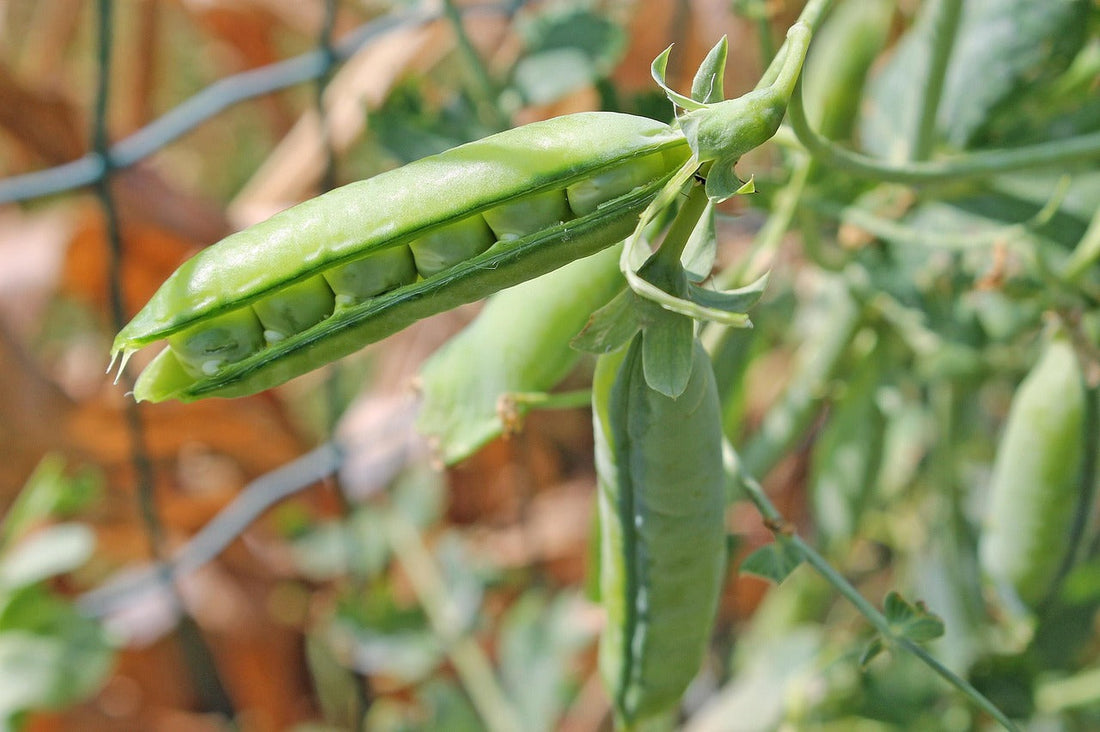
Ingredient Spotlight: AnaGain™ (Pea Shoot Extract)
Discover AnaGain™, the pea shoot extract studied for its ability to support the natural hair growth cycle. Learn why Anavive includes this plant-based active to promote thicker, healthier-looking hair from within.
Learn more
Ingredient Spotlight: Cayenne Pepper Extract
Discover how Cayenne Pepper Extract supports healthy circulation and nutrient delivery to the scalp. Learn why Anavive includes this gentle, plant-based extract to promote energy, vitality and strong hair.
Learn more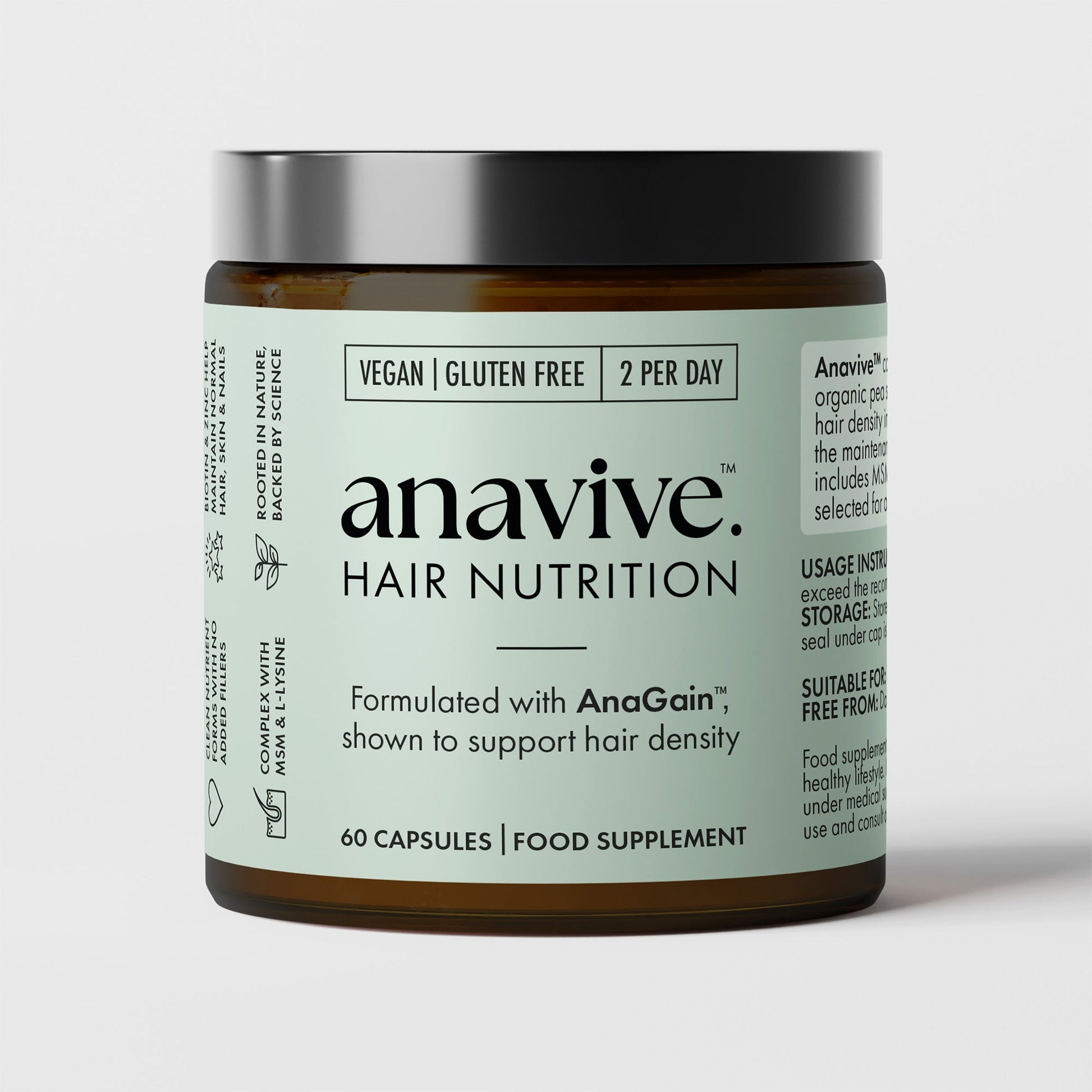




Anavive Hair Nutrition - 1 Month Supply
Anavive Hair Nutrition - 1 Month Supply
Thinning doesn’t just change your hair, it changes how you feel. The extra strands in the shower. The way you adjust your parting. The quiet sense that something is shifting. Hair rarely thins without reason, which is why Anavive is built to support the internal foundations healthy hair depends on.
Not all supplements are created equal - and the difference rarely shows on the label. Most use poorly absorbed ingredient forms that pass through your body largely unused. If the nutrients don't absorb, the formula doesn't work. Even with a decent diet, consistently hitting the right levels of zinc, iron, B vitamins, and botanicals that have been seen to support hair follicle activity isn't something food alone reliably delivers.
Anavive™ is built around a different principle: that the right ingredient forms, in the right combination, give your body something it can actually use.
Anavive is a premium daily hair health supplement formulated for men and women experiencing excessive shedding, thinning or slow regrowth. At its core is AnaGain™ - an extract from organic pea shoots, clinically studied to influence the signals that determine how many follicles are in an active growing phase. Alongside it, zinc bisglycinate and iron bisglycinate - forms chosen for their superior absorption over the oxides and sulphates used in many supplements. Vitamin B6 is delivered as P-5-P, the form your body can use directly, and Vitamin C as Calcium Ascorbate - which also contributes to normal iron absorption. Zinc and biotin contribute to the maintenance of normal hair.
The result is a formula designed to work at the level where most others don't: absorption.
Made in the UK, vegan and allergen-free, Anavive™ helps promote visibly thicker and healthier hair with consistent daily use.
In stock
 Order 3 and save £11
 Order 6 and save £27
- Delivery on us for orders over £40
