The scalp microbiome has become one of the biggest buzzwords in haircare. Every other brand is now launching "microbiome-friendly" shampoos, probiotic scalp serums, and prebiotic hair masks. The marketing suggests that if you just buy the right product, you will unlock some hidden ecosystem on your head and your hair will flourish.
The reality is more interesting, more nuanced, and frankly more useful than that. Your scalp microbiome is real, it does genuinely influence hair health, and it is remarkably easy to disrupt. But most of the advice circulating online is either oversimplified, misleading, or designed to sell you something that will not work. This is a myth-busting guide to what your scalp microbiome actually is, what disrupts it, what supports it, and where nutrition fits into the picture in ways most people overlook entirely.
What Your Scalp Microbiome Actually Is
Your scalp is home to trillions of microorganisms. Bacteria, fungi, yeasts, and even mites coexist in a complex ecosystem that, when balanced, forms your first line of defence against pathogens, regulates sebum production, and helps maintain the environment your hair follicles need to function properly. The key species include bacteria like Cutibacterium acnes and Staphylococcus epidermidis, alongside fungi from the Malassezia family, which thrive in the lipid-rich environment created by your sebaceous glands.
When these communities are in balance, you probably never think about them. Your scalp feels comfortable, your hair grows normally, and the system ticks along in the background. It is when the balance gets disrupted, a state researchers call dysbiosis, that problems start showing up: persistent dandruff, itching, inflammation, excess oiliness or dryness, and in some cases, measurable changes to hair growth itself.
A 2025 study published in mSystems found that microbial dysbiosis in people with androgenetic alopecia was not limited to the areas where hair was thinning. The imbalance extended across the entire scalp, and the severity of the dysbiosis correlated with the severity of the hair loss. This is significant because it suggests that scalp microbiome health is not just a cosmetic concern but a genuine factor in hair follicle function.
Myth 1: Probiotic Shampoos Will Fix Your Scalp Microbiome
This is probably the most widespread claim in scalp microbiome marketing, and it is the one that needs addressing first. The idea sounds logical on the surface: if your gut benefits from probiotics, surely your scalp does too. But the science does not support topical probiotic application in the way these products imply.
Trichologists and microbiome researchers have been quite clear on this point. Topical probiotics applied via a shampoo that gets rinsed off within minutes have essentially no meaningful opportunity to colonise the scalp or shift its microbial balance. The contact time is too short, the rinse-off format washes away most of what was applied, and many of these products contain preservatives that are inherently antimicrobial, which somewhat defeats the purpose.
There is some emerging research into leave-on postbiotic formulations (products containing metabolic byproducts of beneficial bacteria rather than live organisms), and this area may prove more promising over time. But the "probiotic" shampoos currently lining shelves are, in most cases, trading on a concept rather than delivering a result. Save your money.
Myth 2: You Should Wash Your Hair As Infrequently As Possible
The "no-poo" and low-wash movements have gained enormous traction online, often with the claim that washing less frequently allows your scalp's natural oils and microbiome to find their equilibrium. There is a kernel of truth here: overwashing with harsh, high-sulphate shampoos can strip the scalp's lipid barrier and disrupt microbial communities. But the pendulum has swung too far in the other direction for many people.
When you do not cleanse your scalp regularly enough, sebum, dead skin cells, product residue, and environmental pollutants accumulate. This creates the exact conditions in which opportunistic organisms like Malassezia thrive disproportionately. Malassezia feeds on sebum, and when it overgrows, it triggers the inflammatory response that manifests as dandruff, seborrheic dermatitis, itching, and redness. Research published in BMC Microbiology in 2025 demonstrated that regular (but gentle) cleansing actually increased scalp moisture content and shifted microbial populations in a beneficial direction, increasing the relative abundance of Cutibacterium (a genus associated with healthy scalp function) without eliminating microbial diversity.
The takeaway is not that you need to wash your hair every day. It is that under-washing can be just as problematic as overwashing, and the quality of your cleanser matters enormously. A gentle, sulphate-free shampoo used every two to three days is, for most people, a far better strategy than either extreme.
Myth 3: Scalp Health Is Purely a Topical Problem
This is perhaps the biggest misconception of all, and it is the one the beauty industry has the least incentive to correct. Most scalp microbiome content focuses exclusively on what you put on your scalp: which shampoo, which serum, which treatment. What it almost never addresses is the fact that the health of your scalp microbiome is profoundly influenced by what is happening inside your body.
The gut-skin axis is a well-documented pathway through which your intestinal microbiome communicates with your skin (including your scalp) via immune signalling, nutrient absorption, and inflammatory pathways. When your gut microbiome is in good shape, it helps absorb the vitamins and minerals your scalp needs, produces short-chain fatty acids that regulate inflammation, and supports the immune balance that keeps both your gut lining and your scalp's microbial communities in check.
When it is not, the effects cascade outward. Poor gut health compromises your ability to absorb nutrients like iron, zinc, and B vitamins, even if your diet technically contains enough of them. This creates a downstream deficiency at the follicle level, weakening the scalp's immune defences and creating conditions ripe for microbial imbalance. Research consistently shows that people experiencing unexplained hair shedding and scalp problems often present with nutrient deficiencies despite eating what appears to be a reasonable diet.
The Nutrients Your Scalp Microbiome Actually Depends On
This is where the conversation gets genuinely practical. Your scalp's ability to maintain a balanced microbiome depends on several specific nutrients, and deficiencies in any of them can tip the balance toward dysbiosis and the scalp conditions that follow.
Zinc - Contributes to the maintenance of normal hair and normal skin. Zinc is arguably the single most important mineral for scalp microbiome health. It supports the skin's immune defence mechanisms, helps regulate sebum production (and therefore the food supply for sebum-dependent organisms like Malassezia), and plays a direct role in maintaining the scalp's barrier function. Zinc deficiency has been specifically linked to increased dandruff, inflammation, and fungal overgrowth on the scalp. The form of zinc matters significantly for absorption. Zinc bisglycinate is chelated with the amino acid glycine, making it substantially more bioavailable than common forms like zinc oxide or zinc sulphate, and far gentler on the digestive system.
Iron - Contributes to the normal function of the immune system. Your scalp's ability to manage its microbial communities depends on competent immune function, and iron is central to this. Iron deficiency impairs the immune cells that patrol the scalp and help keep opportunistic organisms in check. Beyond immunity, iron contributes to normal oxygen transport in the blood, and adequate oxygen delivery to the scalp supports healthy tissue and follicle function. Iron bisglycinate is the gold standard for absorbability and is significantly less likely to cause the gastrointestinal discomfort associated with cheaper iron forms like ferrous sulphate.
Biotin - Contributes to the maintenance of normal skin. While biotin is most commonly associated with hair and nail growth, its role in maintaining normal skin function is directly relevant to scalp health. The scalp is skin, and biotin supports the structural integrity of the barrier that keeps your microbiome in balance.
Vitamin C - Contributes to normal collagen formation for the normal function of skin and contributes to the protection of cells from oxidative stress. Oxidative stress is an underappreciated factor in scalp microbiome disruption. When free radical damage accumulates, it weakens the scalp's barrier function and creates a more hospitable environment for pathogenic organisms. Vitamin C also increases iron absorption, creating a synergistic effect when the two are taken together.
Copper - Contributes to the normal function of the immune system and to normal skin pigmentation. Copper works alongside zinc in supporting immune function, but it also plays a role in maintaining the structural proteins of the skin. This is an important and often overlooked mineral for scalp integrity. It is worth noting that zinc and copper need to be in balance, as high zinc intake without adequate copper can create a secondary deficiency.
Iodine - Contributes to the maintenance of normal skin. Iodine's role in thyroid function has downstream effects on skin cell turnover, sebum regulation, and the overall environment of the scalp. Thyroid imbalances are a well-known contributor to both hair loss and scalp conditions, and adequate iodine is foundational to preventing them.
What Actually Disrupts Your Scalp Microbiome
Understanding what throws things off balance is just as important as knowing what supports it. Here are the most common and evidence-supported disruptors, several of which have nothing to do with your shampoo.
Harsh sulphates and aggressive cleansing. Sodium lauryl sulphate (SLS) is effective at stripping oil, but it does not discriminate. It removes protective lipids alongside dirt, weakening the scalp barrier and disrupting the lipid layer that beneficial organisms depend on. Switching to gentler surfactants is one of the simplest and most impactful changes you can make.
Product buildup. Silicones, waxes, and heavy styling products accumulate on the scalp over time, creating a physical barrier that traps sebum and dead skin cells underneath. This warm, occluded environment encourages the overgrowth of specific fungi and bacteria at the expense of microbial diversity. Regular but gentle clarifying (once a week or fortnight) helps prevent this.
Chronic stress. Stress hormones, particularly cortisol, directly affect immune function and skin barrier integrity. Research shows that chronic stress weakens the scalp's immune defences and alters microbial communities, making the scalp more vulnerable to dysbiosis. This is one reason why stress-related hair shedding often comes hand-in-hand with scalp irritation and increased dandruff. Adaptogenic herbs like ashwagandha have been studied for their ability to support the body's resilience to physiological stress, addressing this pathway from within.
High-sugar diets. Diets high in refined sugar feed pro-inflammatory microbes and yeasts, both in the gut and on the scalp. Malassezia, the fungus most associated with dandruff, thrives in environments where its food sources are abundant. Reducing refined sugar and increasing diverse, nutrient-dense foods is one of the most effective dietary interventions for scalp health.
Nutrient deficiencies. As discussed above, deficiencies in zinc, iron, vitamin D, and B vitamins compromise the scalp's immune defence and barrier function. This is particularly relevant for people on restrictive diets, those with gut absorption issues, or anyone who simply is not getting a broad enough range of micronutrients through food alone.
A Microbiome-Safe Scalp Routine That Actually Works
Forget the 12-step scalp care routines. A genuinely microbiome-supportive approach is simpler than the beauty industry wants you to believe.
Cleanse gently and regularly. Use a sulphate-free shampoo every two to three days (adjust based on your hair type and sebum production). The goal is to remove excess sebum and buildup without stripping the lipid barrier. Focus the shampoo on your scalp, not the lengths of your hair.
Exfoliate occasionally. Once a week, use a gentle scalp exfoliant or simply massage your scalp with your fingernails (not fingernails, fingertips) during washing to lift dead skin cells and prevent pore congestion. This supports healthy cell turnover without being aggressive.
Avoid layering too many products on your scalp. Serums, oils, and treatments have their place, but applying multiple products directly to the scalp daily creates the buildup that feeds dysbiosis. Less is genuinely more when it comes to topical scalp care.
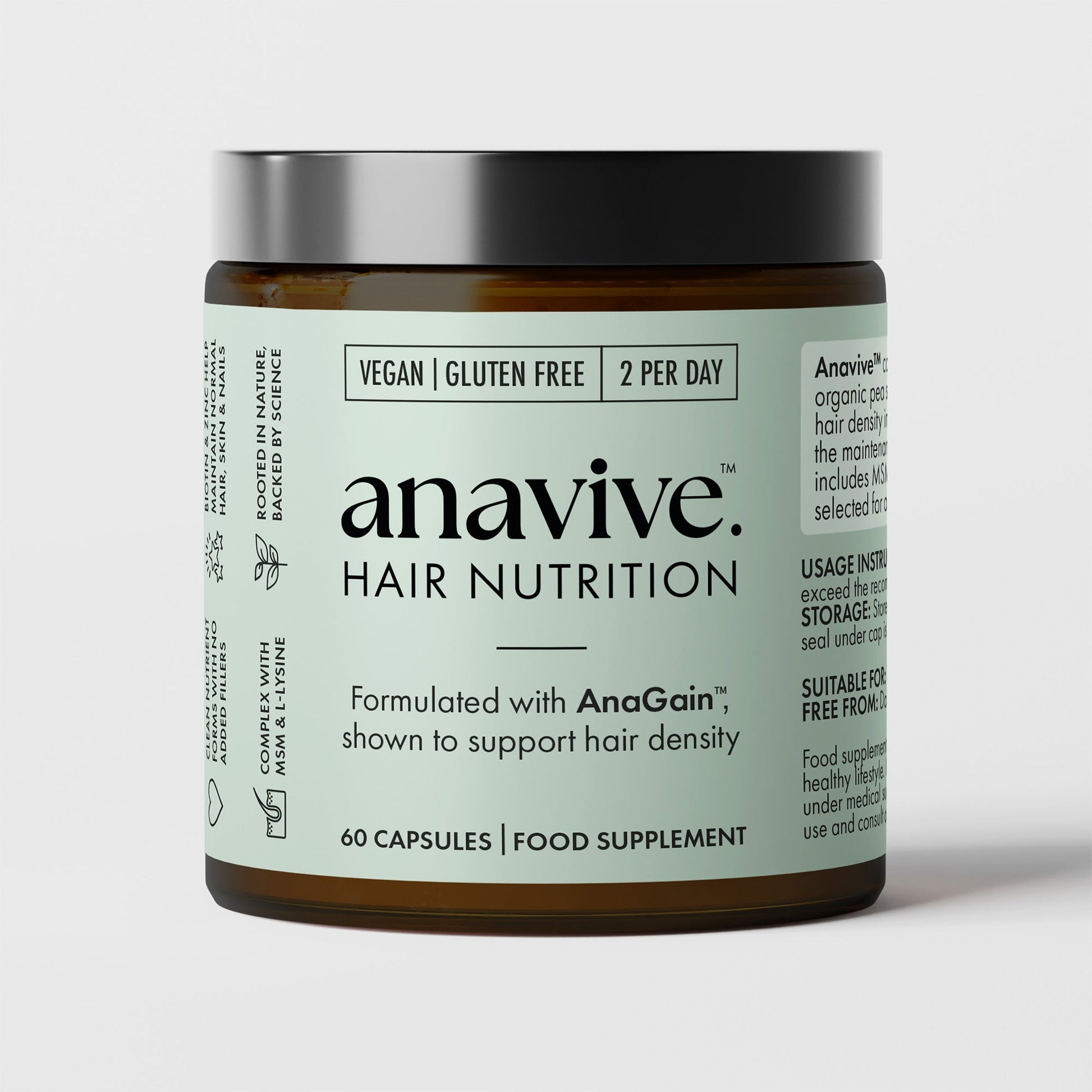
Support your scalp from the inside. This is the step most routines miss entirely. Ensuring adequate intake of zinc, iron, vitamin C, biotin, copper, and iodine through diet and, where necessary, targeted supplementation is arguably more impactful than any topical product. When choosing a supplement, bioavailable forms matter: zinc bisglycinate over zinc oxide, iron bisglycinate over ferrous sulphate, pyridoxal-5-phosphate (the active form of B6) over standard pyridoxine. Your body can actually use these forms efficiently, which means they reach the tissues where they are needed, including your scalp.
Manage stress meaningfully. This is easy to say and harder to do, but the evidence linking chronic stress to scalp microbiome disruption is strong enough to warrant treating it as a genuine pillar of scalp health rather than an afterthought. Whether that means prioritising sleep, incorporating movement, or supporting your stress response with adaptogens, the effect on your scalp (and your hair) is real.
The Bottom Line
Your scalp microbiome is not a problem that gets fixed by a single product. It is an ecosystem that reflects your overall health, your nutritional status, your stress levels, and your daily habits. The brands selling you "microbiome-balancing" serums are not necessarily lying, but they are telling you a very small part of a much bigger story.
The most effective approach to scalp microbiome health is also the least glamorous: eat well, address nutrient gaps with quality bioavailable supplements, cleanse your scalp gently and consistently, avoid overloading it with products, and take your stress levels seriously. It is not a quick fix. But it is the approach that actually works, because it addresses the real causes of microbial imbalance rather than just the symptoms.
Your scalp is an ecosystem. Treat it like one.
This article is for informational purposes only and does not constitute medical advice. If you are experiencing persistent scalp conditions or hair loss, please consult your GP or a qualified dermatologist. Nutrient information referenced in this article reflects EFSA-approved health claims where indicated. Individual results from supplementation vary and depend on underlying health status and nutritional needs.