If you have started noticing more hair in your brush, on your pillow, or swirling around the shower drain since beginning a GLP-1 medication like Ozempic, Wegovy, or Mounjaro, you are not imagining it. And you are certainly not alone. With roughly one in eight UK and US adults now taking a GLP-1 drug for weight management or blood sugar control, hair shedding has quickly become one of the most talked-about side effects in online communities and GP waiting rooms alike.
The good news is that the type of hair loss most commonly linked to these medications is almost always temporary. The less helpful news is that "temporary" can still mean months of watching your ponytail shrink before things turn a corner. This guide breaks down exactly what is happening to your hair, how long you can realistically expect it to last, which nutrient gaps you should be checking for, and what is genuinely worth doing versus what is just marketing noise.
What Is Actually Happening to Your Hair on GLP-1s
The vast majority of GLP-1-related hair shedding falls into a category called telogen effluvium, often shortened to TE. To understand it, it helps to know how your hair cycle works. At any given time, around 85 to 90 percent of the hairs on your head are in the anagen (growth) phase, while the rest are in the telogen (resting) phase before eventually falling out and being replaced. This is completely normal and accounts for the 50 to 100 hairs most people lose daily without ever noticing.
Telogen effluvium occurs when a significant stressor pushes a larger-than-normal proportion of hair follicles out of the growth phase and into the resting phase all at once. Three to six months later, those hairs shed in a noticeable wave. The key word here is "stressor," and this is where GLP-1 medications come in.
Here is something important to understand: most dermatologists and endocrinologists now believe it is the rapid weight loss itself, rather than the medication directly, that triggers the shedding. The body interprets significant calorie reduction and fast metabolic change as a form of physiological stress. Hair, being a non-essential tissue from a survival standpoint, gets deprioritised. This is the same mechanism seen after bariatric surgery, crash dieting, major illness, or even severe emotional stress. Your body is simply redirecting its resources toward what it considers more critical functions.
That said, a large real-world cohort study presented at the 2025 European Academy of Dermatology and Venereology (EADV) Congress, which analysed data from nearly 550,000 matched patients, found that GLP-1 receptor agonist users had a significantly elevated risk of telogen effluvium and androgenic alopecia compared to controls. Some researchers have suggested that GLP-1 receptors exist in hair follicles and that there could be a direct mechanism at play, though this has not been conclusively proven. The honest answer is that the science is still catching up.
Is GLP-1 Hair Loss Permanent?
This is the question everyone wants answered first, and the reassuring reality is that telogen effluvium is, by definition, a self-limiting condition. Once the underlying trigger stabilises, whether that is your weight plateauing, your nutritional intake improving, or your body simply adapting to its new metabolic baseline, the hair growth cycle resets and new hairs begin to grow in.
The Typical GLP-1 Shedding Timeline
Months 1-3: After starting a GLP-1, rapid weight loss begins. Hair follicles start shifting from growth to resting phase, but you will not see visible shedding yet.
Months 3-6: The shedding becomes noticeable. This is the peak period where most people report increased hair fall. It can feel alarming, but it is the delayed result of the metabolic shift that happened earlier.
Months 6-9: For most people, shedding begins to slow as the body adjusts. New growth often starts becoming visible around this time.
Months 9-12+: Hair density gradually recovers. Full recovery to pre-shedding thickness can take 12 to 18 months from the point shedding began.
There is an important caveat here. If you had pre-existing androgenic alopecia (the pattern-based thinning driven by genetics and hormones), GLP-1-related shedding can sometimes unmask or accelerate that condition. In this scenario, the telogen effluvium itself resolves, but you may find that the underlying pattern thinning becomes more apparent. This is worth discussing with a dermatologist if you suspect it applies to you.
The Nutritional Gap Nobody Talks About
One of the most overlooked aspects of GLP-1-related hair loss is the nutritional component, and it is arguably the one you have the most control over. GLP-1 medications work partly by reducing appetite and increasing satiety. This is excellent for weight management, but it also means many people are eating significantly less food overall, and when you eat less, you absorb fewer micronutrients. If those micronutrients happen to be ones your hair follicles depend on, you are compounding the stress response that is already triggering the shedding.
Research published in the Journal of Cosmetic Dermatology in 2025 specifically identified deficiencies in iron, zinc, vitamin D, and biotin as well-recognised triggers for telogen effluvium that may be precipitated by the rapid weight loss associated with GLP-1 therapy. This is not speculative. These are established, evidence-based connections between nutrient status and hair cycling.
Key nutrients to check with your GP while on GLP-1 medication
Iron - Contributes to normal oxygen transport in the blood. Iron deficiency is one of the most common reversible causes of hair shedding, particularly in women. If your ferritin is low, your follicles are not getting the oxygen delivery they need to maintain healthy growth. Look for highly absorbable forms like iron bisglycinate, which is gentler on the stomach than standard iron supplements.
Zinc - Contributes to the maintenance of normal hair. Zinc plays a direct role in hair tissue growth and repair, and supports the oil glands around your follicles. Zinc glycinate and zinc bisglycinate offer superior absorption compared to zinc oxide or zinc sulphate.
Biotin - Contributes to the maintenance of normal hair. This B vitamin is involved in keratin production. While true biotin deficiency is uncommon in the general population, reduced food intake on GLP-1s can lower your levels meaningfully.
Vitamin B6 - Contributes to normal protein and glycogen metabolism. Since hair is primarily composed of the protein keratin, adequate B6 supports the metabolic processes behind hair structure. The active form, pyridoxal-5-phosphate (P5P), does not require conversion by the liver and is more readily used by the body.
Vitamin C - Contributes to normal collagen formation and increases iron absorption. Both of these functions are relevant to hair health, making vitamin C a valuable companion nutrient when iron intake is a concern.
Iodine - Contributes to normal thyroid function. Your thyroid plays a significant role in regulating your hair growth cycle, and iodine is essential for its proper function. Reduced food intake can quietly lower iodine levels, particularly if you are eating fewer dairy products and seafood.
Getting a blood test to check your ferritin, serum zinc, vitamin D, and thyroid panel is a practical first step. Many GPs are increasingly aware of the nutritional monitoring needed alongside GLP-1 prescriptions, but it is worth specifically requesting these tests if they are not offered.
What Actually Helps (and What Is Hype)
If you search for "GLP-1 hair loss" online, you will find no shortage of products and protocols claiming to fix the problem. It is worth being honest about what falls into the evidence-based category and what is simply capitalising on people's anxiety.
Worth doing
Prioritise protein intake. When you are eating less overall, protein is often the first macronutrient to drop below optimal levels. Hair is made almost entirely of keratin, a protein, and amino acids like L-lysine have been studied for their role in supporting iron absorption and hair follicle health. Aim for at least 1.2g of protein per kilogram of body weight, even on a reduced-calorie diet. If you struggle to hit that through food alone, supplementing with specific amino acids can help bridge the gap.
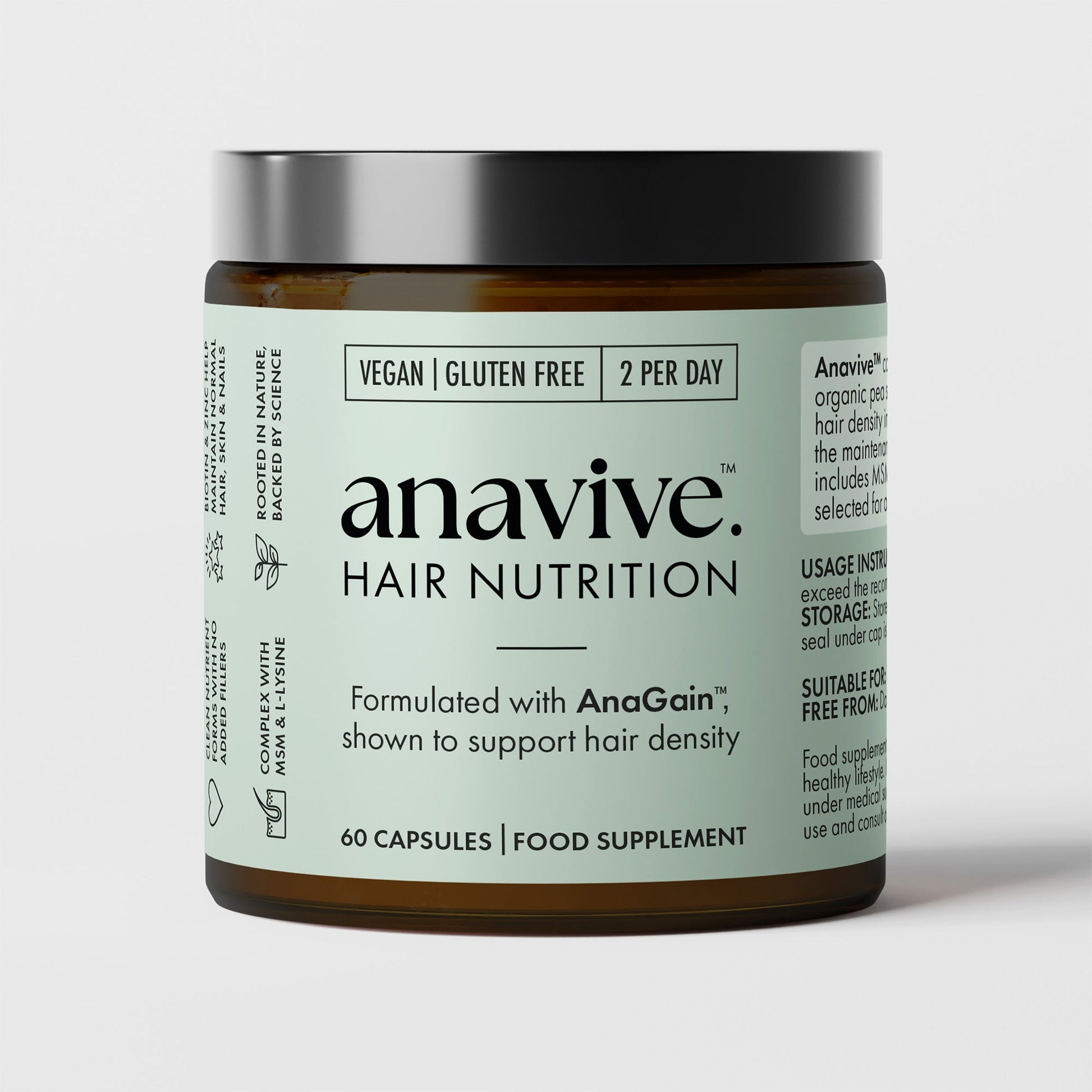
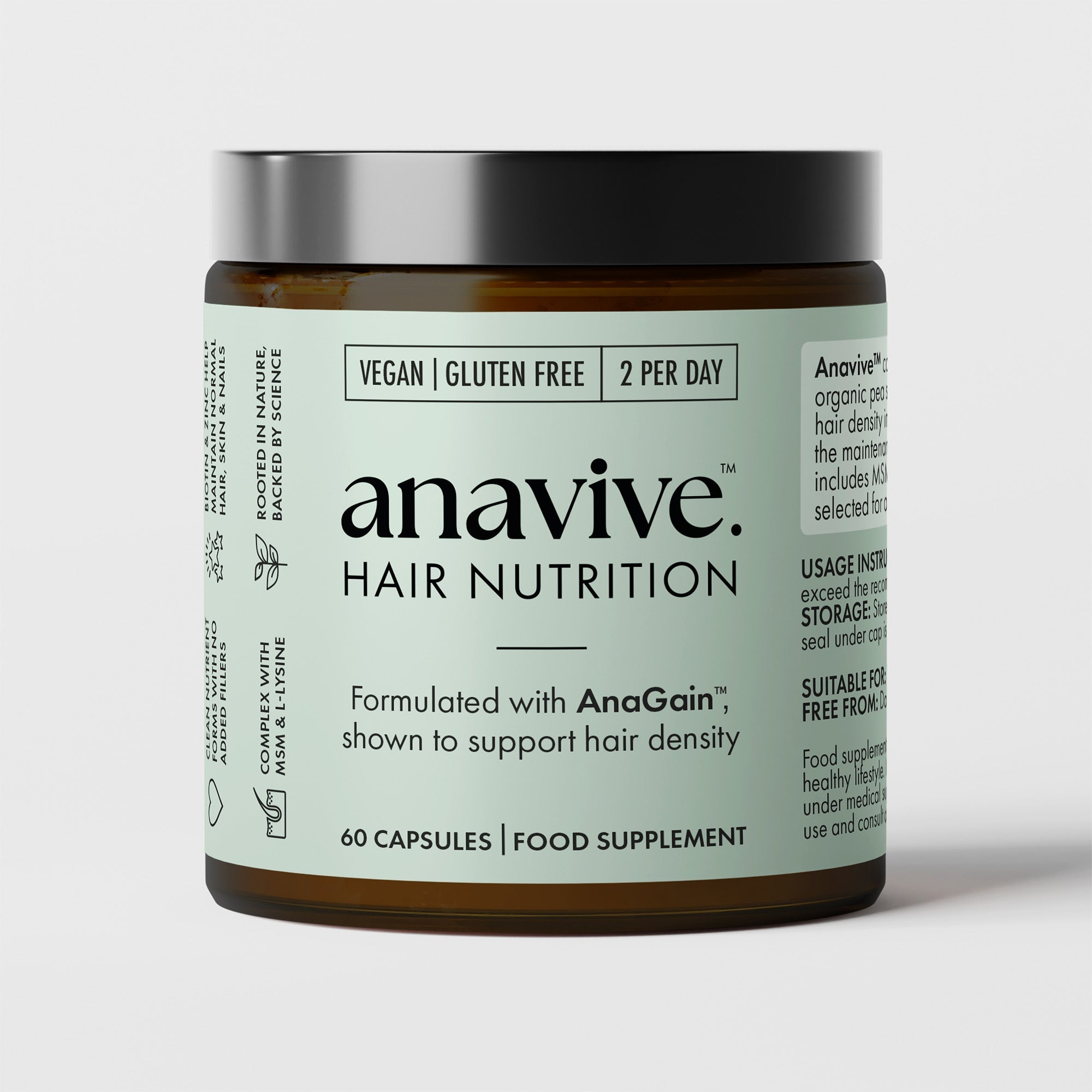
Address nutrient deficiencies specifically. Rather than throwing random supplements at the problem, get tested and target what is actually low. A well-formulated hair supplement that provides bioavailable forms of key nutrients (iron bisglycinate rather than ferrous sulphate, zinc bisglycinate rather than zinc oxide, active B6 rather than pyridoxine) will deliver meaningfully better results than cheap alternatives using poorly absorbed forms.
Support your body's stress response. Adaptogenic herbs like ashwagandha have been studied for their ability to help the body manage physiological stress. Since telogen effluvium is fundamentally a stress response, supporting your body's resilience at a systemic level makes logical sense alongside targeted nutrient support.
Stimulate the scalp. There is reasonable evidence that improving blood flow to the scalp supports follicle activity. Ingredients like cayenne pepper extract have been traditionally used to promote circulation, and regular scalp massage (even just five minutes daily) can help.
Be patient and consistent. Hair grows at roughly 1cm per month. Even if you do everything right starting today, visible improvement takes time. This is a three-to-six-month commitment at minimum, which is exactly why consistency with the right nutrients matters more than any single intervention.
Probably not worth your money
Expensive topical serums marketed specifically for "Ozempic hair." Most of these have appeared in the past year and have zero clinical evidence behind them. If a product claims to "reverse GLP-1 hair loss in 30 days," it is not being honest with you.
Massive doses of individual vitamins. More is not better when it comes to micronutrients. Megadosing biotin beyond what your body can use will not accelerate hair growth. What matters is consistent, adequate intake of the full spectrum of nutrients your follicles need, in forms your body can actually absorb.
A Note on Slowing Things Down
One of the most practical pieces of advice from dermatologists is also one of the least glamorous: pace the weight loss. Many experts now suggest that more gradual weight reduction produces less severe shedding because it reduces the metabolic shock your body experiences. If your medication dose is being titrated upward and you are losing weight extremely quickly, it may be worth discussing the pace with your prescriber. A steadier rate of loss, combined with deliberate nutritional support, is the single most effective strategy for minimising hair impact.
Staying properly hydrated is also worth mentioning. Dehydration is a common side effect of GLP-1 medications as eating patterns change, and it can compound hair loss. It is a simple thing, but it matters.
When to Seek Further Help
If your shedding has continued beyond nine to twelve months without improvement, if you notice patchy loss rather than diffuse thinning, or if you are experiencing other symptoms like fatigue or changes in your skin, it is worth seeing a dermatologist who specialises in hair conditions. While telogen effluvium is the most common presentation, GLP-1-related shedding can occasionally overlap with other conditions that benefit from targeted treatment.
Your GP can also help rule out thyroid dysfunction, which can independently cause hair loss and may be affected by significant metabolic changes.
The Bottom Line
GLP-1-related hair shedding is real, it is common, and it is understandably distressing. But it is also, in the vast majority of cases, temporary. The combination of understanding what is actually happening (a stress-driven shift in your hair cycle), addressing the nutritional gaps that rapid weight loss creates, and giving your body the time and building blocks it needs to recover is the most honest and effective approach available.
There are no overnight fixes. But with the right foundation of bioavailable nutrients, adequate protein, and patience, most people see meaningful recovery within six to twelve months. The key is starting early, choosing quality over quantity in your supplementation, and staying consistent even when progress feels slow.
Your hair is resilient. It just needs the right support to prove it.
This article is for informational purposes only and does not constitute medical advice. If you are taking a GLP-1 medication and experiencing hair loss, please consult your GP or a qualified dermatologist. Individual results from supplementation vary and depend on underlying health status and nutritional needs.