If you have been paying attention to the beauty and wellness space recently, you will have noticed a shift in how hair loss is being discussed. The conversation has moved beyond topical treatments and daily pills into something that sounds decidedly more futuristic: platelet-rich plasma injections, exosome therapy, stem cell treatments, and what the industry broadly calls "regenerative hair medicine." Major beauty outlets are calling hair rejuvenation one of the defining trends of 2026, and clinic waiting lists for PRP and exosome treatments are growing across the UK.
The curiosity is understandable. These treatments sound genuinely exciting, and for people who have tried conventional options without satisfactory results, the promise of something more advanced is appealing. But the space is also confusing, expensive, and surprisingly short on the kind of neutral, evidence-based information that would help someone make a genuinely informed decision.
This is not a sales piece for or against clinic treatments. It is an honest breakdown of what PRP and exosome therapy actually involve, what the current evidence shows, what they realistically cost in the UK, what you should be asking any clinic before committing, and critically, where everyday nutritional support fits in relation to these more advanced interventions. Because here is something that often gets lost in the excitement: even the most sophisticated regenerative treatment cannot override a foundation of nutrient deficiency.
PRP for Hair Loss: What It Is and What the Evidence Shows
Platelet-rich plasma therapy has been used in medicine for decades, originally in orthopaedics and wound healing. Its application for hair loss is more recent but is now the most studied regenerative treatment for androgenetic alopecia (pattern thinning).
The process is relatively straightforward. A small amount of your own blood (typically 30 to 60ml) is drawn and placed in a centrifuge, which spins it at high speed to separate the platelet-rich plasma from other blood components. This concentrated plasma, which contains a high density of growth factors including PDGF, VEGF, and EGF, is then injected into the scalp in a targeted pattern across areas of thinning.
The theory is that these concentrated growth factors stimulate hair follicle activity, promote cell proliferation, increase blood supply, and encourage dormant follicles to re-enter the growth phase. Multiple clinical studies have shown that PRP can increase hair density and thickness, with some trials demonstrating a mean increase of over 30 hairs in a targeted area and meaningful density improvements compared to baseline. A 2025 scoping review of regenerative therapies published in the journal CiMed confirmed that PRP is the most studied modality in this space, with emerging evidence supporting newer formulations.
That said, the evidence base has important nuances. There is no universally standardised PRP protocol: the concentration of platelets, the number of spins, whether the preparation is leukocyte-rich or leukocyte-poor, and the injection technique all vary between clinics. This means that "PRP" at one clinic may be a meaningfully different treatment to "PRP" at another. Some research has suggested that an optimal platelet concentration exists (approximately 1.5 million platelets per microlitre), and that concentrations that are too high can actually inhibit growth rather than promote it.
Most patients see initial results within three to four months, with more significant improvements typically visible between six and twelve months. A standard initial course involves three sessions spaced four to six weeks apart, with maintenance sessions recommended every six to twelve months.
Exosome Therapy: The Newer Frontier
Exosome therapy is the newer and more headline-grabbing option. Exosomes are tiny extracellular vesicles, essentially microscopic packages of signalling molecules, naturally produced by stem cells. They contain growth factors, proteins, and genetic material (including microRNAs) that can influence how other cells behave, promoting healing, regeneration, and cell communication.
When applied to hair loss, exosomes derived from mesenchymal stem cells are injected into the scalp with the aim of delivering regenerative signals directly to hair follicles, encouraging dormant follicles to reactivate and promoting a healthier growth cycle. Exosomes contain significantly more growth factors than PRP (some estimates suggest over 1,000 different growth factors), and because they are not derived from the patient's own blood, the treatment session itself is typically quicker.
A 2025 systematic review published in Cureus, which compared exosome therapy, PRP, and minoxidil for androgenetic alopecia, concluded that exosome therapy showed the most promising results in terms of hair regrowth and safety profile, followed by PRP. A separate systematic review registered with PROSPERO and published in 2025, which analysed eleven clinical studies, found consistent improvements in hair density and quality across multiple exosome sources.
However, the same reviews are candid about the limitations. The evidence base for exosomes is still considerably smaller than for PRP. Most studies have small sample sizes, short follow-up periods, and lack the large-scale randomised controlled trials that would provide definitive answers about long-term efficacy and safety. The regulatory landscape is also evolving: exosome products are not standardised in the same way as pharmaceutical treatments, and there is significant variation in what different clinics are actually injecting. This is a space where genuine promise coexists with genuine uncertainty, and it is important to be clear-eyed about that.
What These Treatments Actually Cost in the UK
One of the most important factors in any treatment decision is cost, and regenerative hair treatments are a significant financial commitment. Neither PRP nor exosome therapy is available on the NHS, and they are not typically covered by private health insurance. Here is what you can realistically expect to pay.
PRP
A single PRP session in the UK typically costs between £250 and £500, though some clinics charge up to £850 per session depending on the system used and the clinician's experience. A standard initial course of three sessions would therefore cost between £750 and £1,500, with many clinics offering a reduced per-session rate for packages (for example, three sessions for around £850 to £1,275). Maintenance sessions every six to twelve months add a further £250 to £500 each. Over the first year, you are likely looking at a total investment of £1,000 to £2,000.
Exosomes
Exosome therapy is generally more expensive per session than PRP, though it typically requires fewer sessions. Pricing varies more widely because the treatment is newer and less standardised, but you can expect to pay anywhere from £500 to over £1,500 per session depending on the clinic and the exosome product used. An initial course of two to three sessions would likely cost between £1,000 and £4,500. Maintenance is usually recommended every six to twelve months.
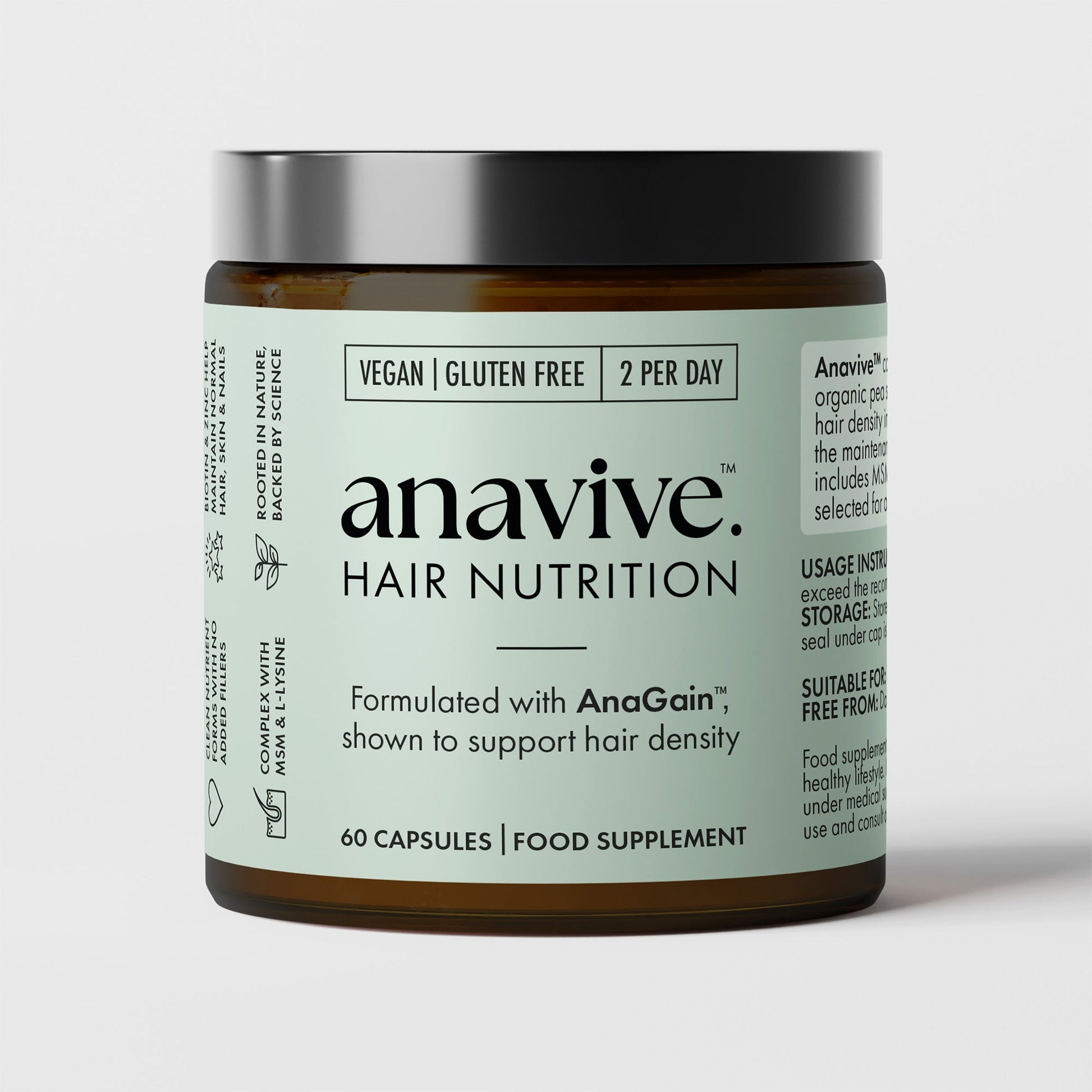
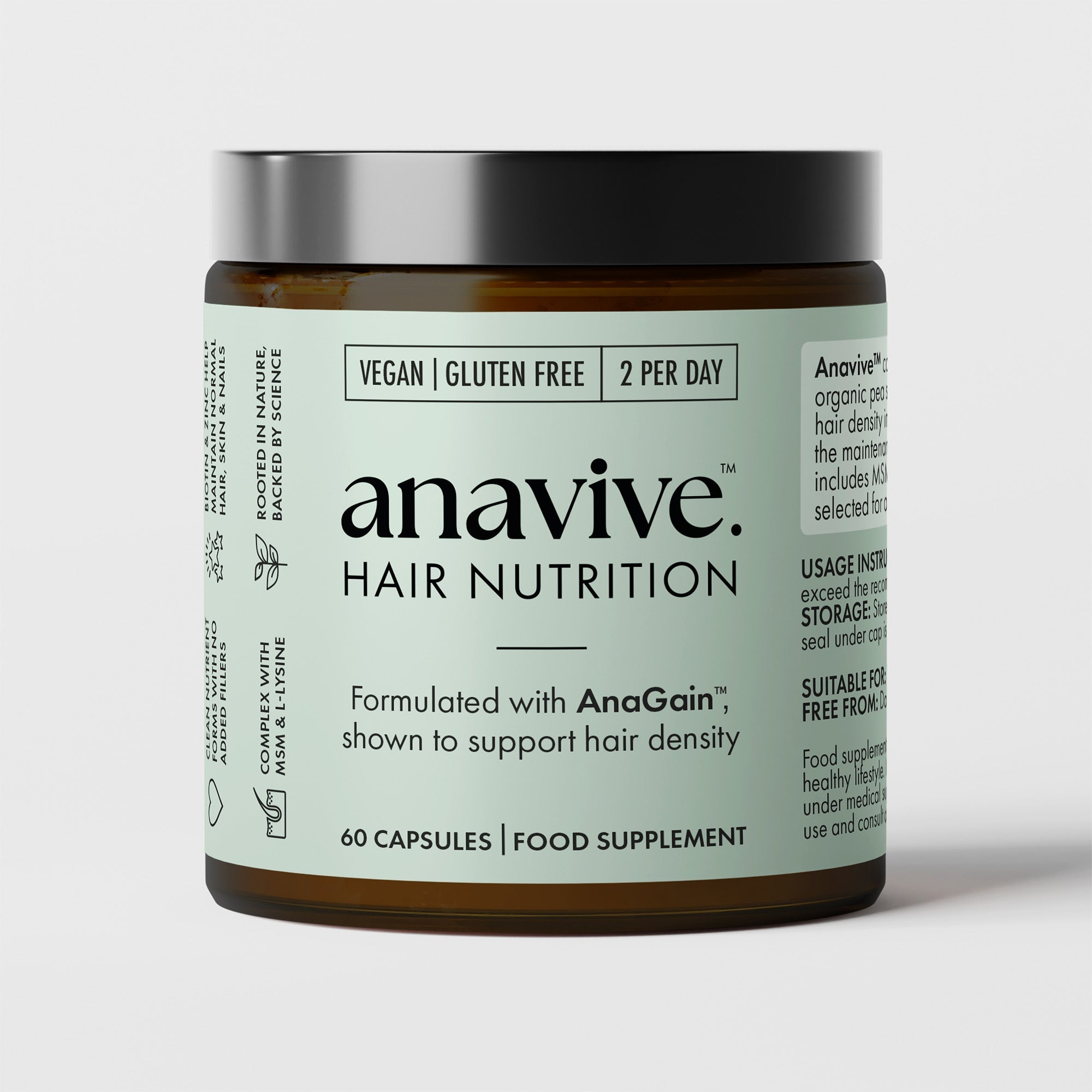
To put this in perspective, a year of consistent daily supplementation with a premium hair supplement costs in the region of £350 to £450. This does not make supplements and clinic treatments directly comparable, as they work through entirely different mechanisms, but it is useful context for understanding where each option sits in terms of accessibility and ongoing cost.
What to Ask Any Clinic Before Committing
If you are considering PRP or exosome therapy, asking the right questions upfront will help you distinguish between clinics that are genuinely evidence-led and those that are primarily commercial. Here are the questions that matter most.
What PRP system do you use, and what platelet concentration does it achieve? Not all centrifuge systems are equal. CE-marked systems with published data on their concentration levels are a positive sign. If a clinic cannot tell you what platelet concentration their system achieves, that is a red flag.
For exosomes: what is the source, and can you provide product documentation? Exosome products vary enormously. You want to know whether the exosomes are derived from mesenchymal stem cells, what quality controls are in place, and whether the product has any published data supporting its use. Be wary of clinics that cannot answer these questions clearly.
Who performs the treatment, and what are their qualifications? Ideally, PRP and exosome treatments should be performed or directly supervised by a doctor registered with the GMC. Ask whether the practitioner is a dermatologist, trichologist, or aesthetic doctor, and check their registration.
What clinical outcomes have you seen with your specific protocol? A good clinic will track results through clinical photography and trichoscopy (microscopic hair and scalp analysis). Ask to see before-and-after documentation from patients with a similar profile to you.
What is the full cost, including all recommended sessions and maintenance? Get a clear breakdown of the total expected investment over the first year, not just the per-session price. Some clinics quote attractively low per-session rates but recommend a high number of sessions.
Do you assess nutritional status before treatment? This is arguably the most revealing question. A clinic that checks your ferritin, zinc, vitamin D, and thyroid function before starting regenerative treatment understands that these interventions do not exist in a vacuum. One that does not is missing a fundamental piece of the puzzle.
Where Supplements Fit: The Foundation That Makes Everything Else Work Better
This is the part of the conversation that rarely features in clinic marketing or media coverage of regenerative treatments, but it is arguably the most important for most people to understand.
PRP works by delivering concentrated growth factors to your follicles. Exosomes work by sending regenerative signals to your cells. Both of these interventions increase the demand on your follicles to grow, repair, and produce hair. But if your body lacks the raw materials to meet that increased demand, the response will be limited.
Think of it this way: regenerative treatments are like sending a detailed set of building instructions to a construction site. The instructions might be excellent, but if the site does not have bricks, steel, and cement, nothing gets built. The "building materials" for your hair are the vitamins, minerals, and amino acids that your follicles depend on to actually execute on the signals they are receiving.
Iron contributes to normal oxygen transport in the blood. When PRP increases blood flow and growth factor delivery to the follicle, adequate iron ensures that blood is carrying sufficient oxygen to support the increased cellular activity. Iron deficiency is one of the most common reasons hair growth interventions underperform. Iron bisglycinate is the most bioavailable and best-tolerated supplemental form.
Zinc contributes to normal protein synthesis and the maintenance of normal hair. Zinc is essential for cell division and the production of the structural proteins your follicles need when they are being stimulated to grow. Zinc bisglycinate offers significantly better absorption than common forms like zinc oxide.
Vitamin C contributes to normal collagen formation for the normal function of skin and increases iron absorption. Collagen provides the structural scaffolding around your follicles, and vitamin C's role in enhancing iron absorption makes it a critical companion nutrient, particularly for people whose iron stores are borderline.
Biotin contributes to the maintenance of normal hair. Biotin supports keratin infrastructure, the protein that hair is physically made of. When follicle activity is increased through any intervention, the demand for keratin precursors goes up accordingly.
Vitamin B6 contributes to normal protein and glycogen metabolism. The active form, pyridoxal-5-phosphate (P5P), supports the metabolic processes that convert dietary protein into the keratin and other structural components your hair needs. The active form does not require conversion by the liver and is more efficiently used by the body.
L-Lysine and MSM provide essential amino acid and organic sulphur support for the structural proteins that make up your hair. These building blocks become increasingly important when follicle activity is being upregulated through regenerative treatments.
Ashwagandha has been studied for its ability to help the body manage physiological stress. Since chronic stress can counteract the benefits of regenerative treatments by elevating cortisol and impairing follicle function, supporting your body's stress resilience is a practical adjunct to any treatment plan.
The key point is this: supplementation is not a competitor to clinic treatments. It is the foundation that makes them work better. Many of the most reputable hair clinics now recommend that patients optimise their nutritional status before and during regenerative treatment courses, precisely because the clinical outcomes are better when the body has what it needs to respond.
A Practical Framework: Who Should Consider What
Not everyone needs clinic treatments, and not everyone will benefit from them at the same stage. Here is a practical way to think about where different interventions sit.
For everyone, regardless of hair loss stage: A consistent daily supplement providing bioavailable forms of the key nutrients your hair depends on. This is the baseline, the minimum effective dose of hair health support. If you are not deficient in anything and your diet covers all bases perfectly, supplementation may be less critical, but most people in the UK do not meet optimal intake levels for iron, zinc, and vitamin D through diet alone, particularly during the winter months.
For early-stage thinning or preventative support: Supplementation combined with at-home red light therapy (LLLT) and a consistent, microbiome-friendly scalp care routine. For many people with early or mild thinning, this combination is sufficient to maintain density and support healthy growth without the cost and commitment of clinic treatments.
For moderate thinning where at-home approaches have plateaued: This is the point at which PRP becomes a genuinely worthwhile consideration. It is the most established regenerative option, has the broadest evidence base, and is more accessible in terms of cost than exosomes. Continue supplementation throughout the treatment course and during maintenance.
For more advanced thinning or cases where PRP has not delivered sufficient results: Exosome therapy may be worth exploring, ideally at a clinic that can provide clear data on their specific product and protocol. This is also the stage where combination approaches, such as PRP and exosomes used together, or regenerative treatments combined with topical minoxidil, tend to produce the strongest outcomes. Nutritional support remains essential at every level.
The Bottom Line
Regenerative hair treatments are genuinely exciting, and the science behind PRP and exosomes is real. These are not gimmicks. But they are also not magic, and the gap between what the marketing suggests and what the evidence currently supports is wider than most people realise, particularly for exosomes.
The most important thing you can do, regardless of whether you ever set foot in a clinic, is to ensure your body has the nutritional building blocks it needs to grow healthy hair. Iron, zinc, biotin, vitamin C, B vitamins, amino acids, and the trace minerals that support follicle function and scalp health are not optional extras. They are the foundation that everything else is built on. Without them, even the most advanced regenerative treatment is sending instructions to a construction site with no materials.
If you do pursue clinic treatments, do so with clear expectations, realistic timelines, and the right questions. And whatever route you take, start with the foundation. It is the one intervention that benefits everyone, costs a fraction of clinical alternatives, and makes every other treatment you layer on top work meaningfully better.
This article is for informational purposes only and does not constitute medical advice. PRP and exosome treatments are medical procedures that should only be performed by qualified, registered practitioners. Always consult a dermatologist or trichologist before beginning any new hair loss treatment. Nutrient information referenced in this article reflects EFSA-approved health claims where indicated. Individual results vary.