

Hair Nutrition Blog

Noggin and FGF-7: the two proteins behind the AnaGain research
Almost every claim made about AnaGain traces back to two numbers: Noggin upregulated by 85%, FGF-7 by 56%. Those figures get quoted constantly and explained almost never. Both are signalling proteins produced by dermal papilla cells at the base of the hair follicle. Both are involved in moving a follicle out of its resting phase and into a new growth phase. Here is what they actually do, and what the measurement does and does not tell you. Where the numbers come from Mibelle Biochemistry developed AnaGain using a bioassay-guided approach based on DNA microarray technology, which is a method for measuring which genes are being expressed and at what level across thousands of genes at once. Gene expression was analysed on plucked hair bulbs following a two week treatment with a 2% AnaGain Nu preparation. The analysis showed Noggin upregulated by 85% and FGF-7 by 56%. Note the design. This measured gene expression in follicle tissue. It did not measure hair on anyone's head. That was a separate study, covered in our main AnaGain guide. First, the dermal papilla At the base of every hair follicle sits a small cluster of specialised cells called the dermal papilla. It is not part of the hair itself. It sits underneath, connected to the blood supply, and it functions as the control centre for that follicle. The dermal papilla decides when a follicle cycles. It receives signals from the body and sends chemical instructions to the surrounding cells that build the hair shaft. Change what the dermal papilla is signalling and you change how that follicle behaves. This is why the papilla is the target in most follicle research. It is the switch, not the output. The hair cycle in one paragraph Anagen is the active growth phase, lasting anywhere from two to seven years on the scalp. Catagen is a brief transitional phase of a couple of weeks. Telogen is the resting phase, roughly three months, at the end of which the old hair sheds and a new one begins forming in the same follicle. Every follicle runs this cycle independently. At any moment, most of your scalp follicles are in anagen and a minority are in telogen. Thinning tends to show up when that proportion shifts, when follicles spend longer resting and less time growing. What Noggin does Noggin is an antagonist. Its job is to block another signalling protein, BMP, which acts as a brake on follicle activity. High BMP signalling keeps a follicle sitting in telogen. Noggin releases that brake. Practically, Noggin is associated with shortening the telogen phase. A follicle that spends less time resting spends proportionally more time growing. That is the significance of the 85% figure. It concerns the exit from rest, not the growth itself. What FGF-7 does FGF-7, fibroblast growth factor-7, also called keratinocyte growth factor, handles the other half. Once a follicle begins a new anagen phase, it needs to build a hair. That is done by matrix keratinocytes, rapidly dividing cells that produce the keratin making up the hair shaft. FGF-7 promotes the proliferation of those cells at the start of a new anagen phase. The 56% figure concerns construction capacity. Noggin gets the follicle out of rest; FGF-7 supports the building work that follows. Why both together Neither is much use alone. Exiting telogen without the matrix cells to build a hair produces a follicle in the growth phase with nothing to show for it. Building capacity in a follicle still stuck resting produces nothing at all. Mibelle describes the combination as balancing the hair growth cycle, which is a more accurate framing than most of what gets written about it. The mechanism is about the ratio of growing to resting follicles, not about making individual hairs grow faster or thicker. What upregulation does not mean This is the part worth reading twice. Gene expression measurement tells you the level of a signal. It does not tell you the outcome. An 85% increase in Noggin expression is a change in the biological conversation happening at the follicle. It is not a percentage of anything you would see. The figures also came from a two week study on plucked hair bulbs using a 2% topical preparation. They cannot be transferred to a capsule at a different dose, and they were never intended to be read as a consumer-facing result. Where you see the two numbers deployed to imply an outcome, the implication is being added by the marketing rather than the research. The genuine value of the bioassay is that it identifies a plausible mechanism, which is what justified running a human trial. It is the beginning of an evidence chain rather than the end of one. Signalling is not the only input A follicle can be receiving the right instructions and still lack the raw materials to act on them. Hair is largely keratin, a protein high in sulphur-containing amino acids. Building it requires amino acids, sulphur, and a set of micronutrients acting as cofactors. It requires oxygen delivered to the follicle by the blood. This is where the additional nutrients come in to play. Zinc and biotin contribute to the maintenance of normal hair. Iron contributes to normal oxygen transport, and vitamin C increases iron absorption. Copper contributes to the maintenance of normal hair pigmentation. Vitamin B6 contributes to the regulation of hormonal activity. Instruction and supply are separate problems. A signalling ingredient does not solve a nutritional shortfall, and a nutritional foundation does not by itself alter follicle signalling. That is the reasoning behind how Anavive is put together: 100mg of AnaGain Nu, the oral grade used in the published trial, alongside the nutrients the follicle needs to act on any signal it receives. Common questions What is Noggin? A signalling protein that blocks BMP signalling. In hair biology it is associated with shortening the telogen resting phase of the follicle cycle. What is FGF-7? Fibroblast growth factor-7, also known as keratinocyte growth factor. It promotes the proliferation of matrix keratinocytes, the cells that construct the hair shaft, at the beginning of a new anagen phase. Does an 85% increase in Noggin mean 85% more hair? No. It is a measure of gene expression in follicle tissue, not a measure of hair. The two are not equivalent and cannot be converted into one another. What are dermal papilla cells? A cluster of specialised cells at the base of each hair follicle that regulate when the follicle cycles between growth and rest. They are the target of most follicle signalling research. Are these proteins affected by anything other than supplements? Follicle signalling is influenced by hormones, age, stress, illness and nutritional status among other factors. No single input controls it. Where to read next AnaGain for hair growth: what it is, how it works and what the research actually shows Spermidine, pea shoots and the science behind plant-based hair research What is actually in pea sprouts: a complete nutritional guide Anavive is a food supplement and is not a treatment for any medical condition. If you are experiencing sudden or significant hair loss, speak to your GP. AnaGain is a trademark of Mibelle AG Biochemistry.
Learn more
AnaGain dosage: how much, how long, and what the timeline in the research looked like
The dose used in the published oral study of AnaGain was 100mg daily. The Swiss manufacturer that developed the ingredient, gives 100mg as its recommended daily dosage for supplement applications. The study ran for 56 days, with measurements taken at day 0, day 28 and day 56. The dose: 100mg daily The manufacturer specifies 100mg per day for AnaGain Nu, the water-soluble grade used in supplements and functional foods. That is the figure used in the clinical trial and the figure quoted in the supplier's technical literature. If a product lists AnaGain in its ingredients but does not state a milligram amount, you cannot tell how it compares. An ingredient can appear on a label at any quantity, and its position in the list only tells you relative order, not amount. For topical products, the bioassay work used a 2% preparation over two weeks. Serums rarely publish their concentration. How much is in Anavive Anavive contains 100mg of AnaGain Nu per daily serving of two capsules. Same grade, same dose as the published oral trial. We are specific about this for a reason. A supplement can list AnaGain on its label at any quantity, and without a milligram figure there is no way to compare it to the research. Underdosing a branded ingredient so it can appear on a label is a well-established habit in this category. If a product does not state the amount, it is reasonable to ask why. The full breakdown of every ingredient and its amount is on the Anavive product page. The timeline in the study Twenty-one healthy adults of mixed genders, mean age 43.9 years, all losing 100 or more hairs daily at baseline, with a group mean of 163.7 hairs. Each took 100mg of AnaGain Nu daily in a drink of their choice. Day 0 Baseline hair counts, scalp photographs and questionnaire responses recorded. Day 28 A 34% reduction in lost hair counts against baseline, described as statistically significant. Day 56 A 37% reduction against baseline, alongside visibly improved hair density. In the questionnaire, 86% of volunteers reported noticing a reduction in hair loss and 76% wished to continue. Published in Phytotherapy Research, 2020, volume 34, issue 2, pages 428 to 431. Why hair timelines are slow regardless Whatever you take, the hair cycle sets the pace. Hair grows in three phases. Anagen is the active growth phase and can last several years. Catagen is a short transitional phase. Telogen is the resting phase, at the end of which the hair sheds and a new one begins forming. Each follicle runs on its own schedule, independently of its neighbours. So a change in follicle signalling does not produce a synchronised visible result. It produces a gradual shift as individual follicles reach the point in their own cycle where the change can register. Scalp hair grows at roughly a centimetre a month. Even where new growth begins immediately, it takes months to reach a length where you can see it in a mirror rather than only in a photograph. This is why measured hair counts move before anything looks different, and why photographs taken under consistent lighting are more reliable than your impression in the bathroom. The practical part: consistency beats timing Nothing in the research suggests a particular time of day matters. What does matter is taking it daily without gaps, because the mechanism under study is a sustained signalling change rather than an acute effect. Pick a fixed point in your routine and attach it to something you already do. Anavive is taken as two capsules once a day with a meal. One note on iron: if you take levothyroxine, separate it from any iron-containing supplement by two to three hours, since iron reduces its absorption. Our iron spotlight covers this. Tracking it honestly Take a photograph on day one. Same room, same light source, same time of day, same parting, hair dry. Repeat monthly. Memory is a poor instrument for gradual change in either direction, which is why the study used photographs and counts rather than asking people how they felt about it. Bad days will feel like decline and good hair days will feel like proof. Neither is data. Common questions How much AnaGain should I take per day? The recommended daily dosage is 100mg, which is the amount used in the published oral trial. Follow the dosage on the product you are using. How long before I see anything? The published study measured a change in shed hair counts at 28 days and reported visibly improved density by 56 days. Individual experience will vary, and a measured reduction in shedding is not the same as a visible change in the mirror. Can I take more than 100mg for faster results? There is no research on higher doses, so there is no evidence that more produces more, and no safety data at higher intakes. Follow the label. What happens if I miss a day? Take the next dose as normal. Do not double up. The relevant thing is the pattern over weeks, not any single day. How long should I keep taking it? The study ran 56 days and there is no published data beyond that. Assess at the eight to twelve week mark using photographs rather than impression, and if you are seeing nothing at all by then, that is a reasonable point to reconsider. Where to read next AnaGain for hair growth: what it is, how it works and what the research actually shows What is actually in pea sprouts: a complete nutritional guide Why 2 in 5 young adults are already thinking about hair loss Anavive is a food supplement and is not a treatment for any medical condition. If you are experiencing sudden or significant hair loss, speak to your GP. AnaGain is a trademark of Mibelle AG Biochemistry.
Learn more
AnaGain vs AnaGain Nu: what the difference actually is
AnaGain and AnaGain Nu are two different products from the same Swiss supplier, Mibelle Biochemistry, both made from germinated organic pea shoots (Pisum sativum). AnaGain is supplied for topical cosmetic formulation. AnaGain Nu is supplied as a water-soluble powder intended for oral use in supplements and functional foods. They are not interchangeable, and the research behind them is not identical either. If you are comparing products or reading an ingredients list, this is the distinction that matters most. Are AnaGain and AnaGain Nu the same ingredient? Same botanical source, different specification. Both are extracts of germinated pea shoots. Both were developed by Mibelle Biochemistry in Switzerland using the same bioassay-guided approach. Where they differ is the format the raw material is supplied in, and therefore what a formulator can do with it. AnaGain Nu is described by Mibelle as a water-soluble powder extract with a neutral taste and odour, suitable for dietary supplement and functional food applications including capsules, shots, drinks, gummies and powder mixes. That water solubility and neutral taste profile is what makes it viable in something you swallow. AnaGain is the version formulated for topical application in cosmetic products such as serums, tonics and scalp treatments. So when a serum lists "AnaGain" and a capsule lists "AnaGain Nu", they are not making a typo or using two names for one thing. They are using two different raw materials. Why the naming confuses almost everyone Three reasons. First, the trademark symbol travels with both, so you see AnaGain™ and AnaGain™ Nu written in ways that look like the same product with a suffix. Second, plenty of brands write "AnaGain" on the label as shorthand regardless of which grade they are actually using. That is common practice, not necessarily an error, but it means the label alone does not always tell you what is in the bottle. Third, and most significantly, the two share a body of research and the findings get quoted interchangeably. They should not be. The research: which study belongs to which product This is where the distinction has practical consequences. The gene expression work Mibelle conducted a bioassay study using DNA microarray technology. Gene expression was analysed on plucked hair bulbs following a two week treatment with 2% AnaGain Nu. The results showed an upregulation of Noggin by 85% and FGF-7 by 56%. Noggin is a protein involved in shortening the telogen, or resting, phase of the hair cycle. FGF-7 is fibroblast growth factor-7, which is involved in the proliferation of matrix keratinocytes at the start of a new anagen, or growth, phase. Both are signalling molecules produced by dermal papilla cells. We have written about this mechanism in more detail in our full guide to AnaGain and the research behind it. The oral clinical study Separately, Mibelle ran an open application trial over 56 days. The study population was 21 healthy adults of mixed genders, mean age 43.9 years, all experiencing mild to moderate hair loss defined as 100 or more hairs lost daily. The mean at baseline was 163.7 hairs. Participants took 100mg of AnaGain Nu daily, in a drink of their choice. Lost hair counts, scalp photographs and questionnaire responses were assessed at day 0, day 28 and day 56. Mibelle reports a statistically significant reduction in hair loss counts of 34% after one month and 37% after two months, alongside visibly improved hair density. In the questionnaire, 86% of volunteers reported noticing a reduction in hair loss and 76% said they would like to continue. The study results were published in Phytotherapy Research, 2020, volume 34, issue 2, pages 428 to 431. What this means when you read a claim If a brand cites the 56 day results, they are citing an oral study using 100mg of AnaGain Nu daily. If a brand cites the Noggin and FGF-7 percentages, they are citing a two week gene expression study using a 2% preparation. How to read the study honestly The clinical trial was an open application trial with 21 participants. It was not placebo-controlled and it was not blinded. That is not a reason to dismiss it, and the statistical significance reported is genuine, but it is a small early-stage study and anyone presenting it as definitive proof is overreaching. We take the view that stating this plainly is more useful than pretending otherwise. The same principle runs through our review of what the evidence on hair supplements for women actually says. Which one is in Anavive Anavive uses AnaGain Nu, the oral grade, at 100mg per daily serving. That is the same material and the same dose used in the published 56 day trial. We mention this because it is not something you can assume from a label. A supplement can list AnaGain without specifying the grade or the amount, and at that point you cannot tell whether it corresponds to anything that has been studied orally. Ours does, so we would rather say so precisely than leave you to guess. You can see the full ingredient breakdown on the Anavive product page. Alongside the pea shoot extract, the formula includes zinc bisglycinate and biotin, both of which contribute to the maintenance of normal hair, and iron as ferrous bisglycinate, which contributes to normal oxygen transport, paired with vitamin C, which increases iron absorption. Common questions Is AnaGain Nu better than AnaGain? Neither is better. They are formulated for different delivery routes. Mibelle states that efficacy has been demonstrated for both oral and topical applications. No published head to head comparison exists, so any claim that one outperforms the other is not supported by the available research. Can I take AnaGain Nu and use an AnaGain serum at the same time? There is no published research on combining them, so there is no evidence either way on whether the effect would be additive. If you are on prescribed medication or being treated for a scalp or hair condition, speak to your pharmacist or GP first. Is AnaGain a drug? No. It is a plant extract used as a cosmetic ingredient and as a food supplement ingredient. Food supplements are not medicines and are not intended to treat, prevent or cure any condition. What dose was used in the research? 100mg of AnaGain Nu daily in the oral trial. The topical bioassay used a 2% preparation over two weeks. Where to read next AnaGain for hair growth: what it is, how it works and what the research actually shows What is actually in pea sprouts: a complete nutritional guide Spermidine, pea shoots and the science behind plant-based hair research Anavive is a food supplement and is not a treatment for any medical condition. If you are experiencing sudden or significant hair loss, speak to your GP. AnaGain is a trademark of Mibelle AG Biochemistry.
Learn more
What's in Pea Sprouts for Hair Growth? Complete Nutritional Guide
If you've been researching natural solutions for hair loss and thinning, you've likely come across pea sprout extract. But what exactly makes these young, tender shoots so powerful for promoting healthy hair growth? Let's dive deep into the nutritional treasure trove hidden within pea sprouts and discover why this humble legume has become a game-changer in the hair care industry. The Nutritional Powerhouse: What Makes Pea Sprouts Special? Pea sprouts, scientifically known as Pisum sativum, are the young shoots, leaves, stems, and tips of pea plants. While we've been eating peas for centuries - the average Briton consumes an impressive 9,000 peas a year - it's the sprouted form that contains the most concentrated levels of hair-healthy nutrients. These young sprouts are harvested at their nutritional peak, packed with bioactive compounds specifically designed by nature to protect the plant as it grows. Essential Vitamins for Hair Health Pea sprouts are exceptionally rich in several vitamins that play crucial roles in maintaining healthy, growing hair: Vitamin A: This powerful nutrient is essential for cell reproduction and growth. Since hair is the fastest-growing tissue in the human body, vitamin A becomes particularly important. Beyond growth, vitamin A promotes the production of sebum, the natural oil that keeps your scalp moisturized and healthy. A well-hydrated scalp creates the optimal environment for strong hair follicles to thrive. Vitamin C: As a potent antioxidant, vitamin C serves dual purposes for hair health. First, it's instrumental in collagen production, which helps construct keratin - the primary protein that makes up your hair structure. Second, vitamin C enhances your body's ability to absorb iron, another critical mineral for hair growth. The abundant vitamin C in pea sprouts makes them an excellent natural solution for supporting hair structure from within. B Vitamins (including Biotin/B7 and Niacin/B3): The B-vitamin complex found in pea sprouts is essential for maintaining scalp health and promoting hair growth. Biotin, in particular, has become famous for its role in strengthening hair follicles and improving overall hair health. These vitamins provide the building blocks required for the production of keratin and support the general health of both your scalp and hair shaft. Vitamin K: Often overlooked in hair care discussions, vitamin K acts as a powerful antioxidant that protects cells from free radical damage. This protective effect extends to hair follicles, helping maintain their integrity and function over time. Mineral Content: The Foundation of Strong Hair The mineral profile of pea sprouts reads like a who's who of hair-healthy nutrients: Iron: Adequate iron levels are crucial for preventing hair loss. Iron helps red blood cells carry oxygen to hair follicles, and iron deficiency is one of the most common nutritional causes of hair loss, particularly in women. The iron in pea sprouts, combined with their vitamin C content which enhances absorption, makes them an excellent dietary choice for maintaining healthy iron levels. Zinc: This essential mineral plays multiple roles in hair tissue growth and repair. Zinc also helps maintain the oil glands around hair follicles working properly. Research has shown that zinc deficiency can lead to hair loss, making the zinc content in pea sprouts particularly valuable. Copper: Working alongside iron and zinc, copper supports the overall strength and well-being of the hair shaft. It's necessary for maintaining strong hair follicles and promoting optimal hair growth. Protein and Amino Acids: Building Blocks of Hair Pea sprouts are rich in both complete and essential amino acids, which serve as the fundamental building blocks for keratin synthesis. Keratin is the structural protein that literally makes up your hair - without adequate amino acids, your body cannot produce enough keratin to support healthy hair growth. The protein content in pea sprouts includes all the amino acids necessary for strengthening the hair shaft, increasing its elasticity, and improving its overall resilience against breakage and environmental damage. This makes pea sprouts particularly valuable for those with damaged or chemically treated hair. Antioxidant Arsenal: Protection from Within One of the most remarkable features of pea sprouts is their exceptional antioxidant content. These young plants face constant threats from disease, UV rays, wind, rain, and herbivores, so nature has equipped them with powerful protective compounds including flavonoids and phenolic compounds. For your hair, these antioxidants combat oxidative stress caused by free radicals - unstable molecules that are natural byproducts of oxygen processing in your body. Free radicals contribute significantly to aging and have been directly linked to hair loss and deterioration as we age. By neutralizing free radicals, the antioxidants in pea sprouts help protect hair follicles from damage, reduce inflammation, and create a healthier scalp environment conducive to hair growth. Phytosterols and Fatty Acids: Nourishment and Soothing Pea sprouts contain plant-derived phytosterols with anti-inflammatory properties that contribute to maintaining a healthy scalp environment. By reducing inflammation and irritation, these compounds support optimal conditions for hair growth. Additionally, pea sprouts contain beneficial fatty acids, including omega-3 and omega-6, that nourish and moisturize both the hair and scalp. These fatty acids are crucial for preventing dryness and brittleness while supporting healthy, lustrous hair growth. The Science: How Pea Sprout Extract Promotes Hair Growth Beyond their impressive nutritional profile, pea sprouts contain specific bioactive compounds that directly influence the hair growth cycle. Understanding how these compounds work helps explain why pea sprout extract has become such a sought-after ingredient in modern hair care. Understanding the Hair Growth Cycle Your hair goes through a continuous cycle consisting of three phases: Anagen (Growth Phase): This is the active growth period where hair follicle cells rapidly divide and new hair is produced. This phase typically lasts 2-7 years. Catagen (Regression Phase): A short transitional phase lasting about 2-3 weeks where growth slows and the hair follicle begins to shrink. Telogen (Resting/Shedding Phase): The hair rests for about 2-4 months before eventually falling out, making room for new growth. Hair loss and thinning occur when the anagen phase shortens and the telogen phase lengthens, resulting in fewer hairs actively growing and more hairs shedding. Molecular Mechanisms: FGF7 and Noggin Clinical research has demonstrated that pea sprout extract works at a molecular level by targeting two key proteins: FGF7 (Fibroblast Growth Factor-7): Pea sprout extract significantly increases the expression of FGF7, a crucial growth factor that stimulates the proliferation of hair follicle cells. By activating FGF7, pea sprout extract gives vital dermal papilla cells the kickstart they need to initiate and sustain hair growth during the anagen phase. This molecular activation translates to more hair follicles entering and remaining in the active growth phase. Noggin Protein: This protein plays a fascinating role in hair growth by inhibiting certain signaling pathways that cause hair follicle regression. By upregulating noggin expression, pea sprout extract helps shorten the telogen (shedding) phase of the hair cycle. The result is that hair follicle stem cells become stronger, hair remains in the growth phase longer, and overall hair density improves. By simultaneously prolonging the anagen phase and shortening the telogen phase, pea sprout extract creates a powerful dual effect that leads to measurably more hair growth and significantly less hair loss. Clinical Evidence: What the Studies Show The effectiveness of pea sprout extract isn't just theoretical - it's been demonstrated in multiple clinical studies with impressive results: 78% increase in the ratio of anagen to telogen hairs after just three months of use - This means significantly more hairs in the active growth phase compared to the resting phase 28% reduction in hair loss after only four weeks - Users noticed measurably less shedding in a remarkably short time Improved hair density and thickness - Hair appeared visibly fuller and more voluminous Enhanced hair strength and elasticity - Treated hair showed greater resistance to breakage and damage These results demonstrate that pea sprout extract delivers tangible, measurable benefits within weeks to months of consistent use. How to Use Pea Sprouts for Hair Growth There are several effective ways to harness the hair-growing power of pea sprouts, each with its own advantages. Oral Supplementation: An Effective Approach Taking pea sprout extract orally as a dietary supplement provides systemic support for hair health from within. When consumed, the nutrients and bioactive compounds enter your bloodstream and reach hair follicles through circulation, supporting the entire hair growth process at a cellular level. Anavive Hair Vitamins: Our premium hair supplements contain the clinically-tested AnaGain™ ingredient, which is derived from organic pea sprout extract. This exclusive formula has been shown in clinical studies to increase the ratio of actively growing hairs to resting hairs by 78% in just 3 months. Each serving delivers the optimal dose of pea sprout extract alongside complementary hair-supporting nutrients including biotin, L-lysine, and zinc. Our supplements are suitable for all hair types and are vegan, vegetarian, and Halal approved. Recommended Usage: Take two Anavive Hair Capsules daily with food for optimal absorption. Consistency is key - take your supplements at the same time each day to establish a routine and achieve the best results. Most users notice reduced shedding within 4 weeks, with significant improvements in hair density and growth visible after 3 months of consistent use. Topical Application: Hair Care Products For comprehensive hair care, topical products containing pea sprout extract can complement your supplement routine: Hair Growth Serums: Concentrated serums deliver pea sprout extract directly to your scalp where it can be absorbed by hair follicles. Apply these products directly to clean, dry scalp, focusing on areas of thinning or concern. Gently massage to increase circulation and absorption. Hair growth serums typically contain pea sprout extract alongside other complementary ingredients like peptides and botanical extracts. Shampoos and Conditioners: Many modern shampoos and conditioners now include pea sprout extract in their formulations. These products work to strengthen hair from the root during your regular washing routine. The extract in these products helps improve hair density, reduce hair loss, and nourish the scalp with each use. Hair Masks and Deep Treatments: For intensive nourishment, our Anavive Hair Mask contains pea sprout extract to deeply nourish and strengthen your hair. Apply once or twice weekly, leaving it on for 10 minutes to allow the active ingredients to penetrate deeply and provide intense nourishment to both hair and scalp. Scalp Treatments and Sprays: Leave-in scalp treatments and sprays offer the convenience of continuous delivery of pea sprout extract throughout the day without requiring rinsing. Dietary Sources: Eating Fresh Pea Sprouts While extracts offer concentrated doses, you can also consume fresh pea sprouts as part of your diet. Pea shoots are widely available at farmers' markets, health food stores, and many conventional grocery stores. They're also remarkably easy to grow at home. How to Incorporate Pea Sprouts in Your Diet: Add fresh pea sprouts to salads for a crunchy, nutritious boost Blend them into smoothies along with fruits and other greens Lightly sauté pea sprouts with garlic and olive oil as a side dish Use them as a garnish for soups, stir-fries, and grain bowls Layer them in sandwiches and wraps for added nutrition and texture Include them in fresh spring rolls or other raw preparations Pea sprouts have a mild, slightly sweet flavour reminiscent of fresh peas, making them versatile and easy to enjoy in numerous dishes. Eating them raw preserves their maximum nutritional content, though light cooking is also acceptable. Safety Profile: Is Pea Sprout Extract Safe? One of the most attractive features of pea sprout extract is its exceptional safety profile, particularly when compared to pharmaceutical hair loss treatments. Generally Well-Tolerated Pea sprout extract is derived from a natural food source and is generally considered safe for most people. It's well-tolerated by all hair types, including dry, damaged, and chemically treated hair. The gentle yet effective formula makes it a versatile ingredient suitable for daily use without the harsh side effects associated with many conventional hair loss treatments. Minimal Side Effects Unlike pharmaceutical options like minoxidil (which can cause scalp irritation, itching, and unwanted facial hair growth) or finasteride (which carries risks of sexual dysfunction), pea sprout extract rarely causes adverse reactions. When side effects do occur, they're typically mild and may include: Mild Skin Sensitivity: A small percentage of people with particularly sensitive skin may experience slight irritation when first using topical products containing pea sprout extract. This is usually temporary and resolves quickly. To minimize risk, perform a patch test before widespread application - apply a small amount of the product to your inner forearm and wait 24 hours to ensure no reaction occurs. Rare Allergic Reactions: While uncommon, allergic reactions to pea-derived ingredients are possible, particularly for individuals with known legume allergies. Symptoms might include redness, itching, or mild swelling. If you have a pea or legume allergy, consult your healthcare provider before using pea sprout extract products. Slight Product Buildup: With excessive use of topical products, some individuals may experience minor buildup on the hair shaft. This is easily addressed by using a clarifying shampoo once or twice a month to remove any residue. Safe for Long-Term Use Unlike some hair loss treatments that require careful monitoring or can only be used for limited periods, pea sprout extract is safe for continuous, long-term use. There are no known serious adverse effects associated with extended application or consumption of pea sprout extract. Suitable for Various Users Pea sprout extract products are typically suitable for: Men and women experiencing hair thinning or loss All hair types and textures Sensitive scalps Vegetarians and vegans (most formulations) Those seeking natural alternatives to pharmaceutical treatments Important Considerations Pregnancy and Breastfeeding: While pea sprout extract is natural, if you're pregnant or breastfeeding, it's always wise to consult your healthcare provider before starting any new supplement or topical treatment. Medication Interactions: Pea sprout extract is generally compatible with most medications. However, if you're taking prescription medications or have specific health conditions, discuss with your doctor before adding supplements to your regimen. Realistic Expectations: While pea sprout extract is effective, individual results vary. Factors like genetics, overall health, diet, stress levels, and the underlying cause of hair loss all influence outcomes. Be patient and consistent - most users see initial improvements within 4-8 weeks, with more significant results after 3 months of regular use. How Pea Sprout Extract is Produced Understanding the extraction process helps explain why pea sprout extract is such a potent ingredient. Cultivation and Harvesting The process begins with organic pea plants grown specifically for their sprouts. These plants are cultivated in controlled environments that optimize nutrient content. The young shoots are harvested at their nutritional peak - typically when they're just a few inches tall - to capture maximum concentrations of bioactive compounds. Extraction Methods High-quality pea sprout extract is typically obtained through gentle extraction methods that preserve the delicate nutrients and bioactive compounds. The most common approach is aqueous extraction, which uses water-based solutions to extract beneficial compounds without harsh chemicals or high temperatures that could degrade sensitive nutrients. This gentle processing maintains the integrity of vitamins, minerals, proteins, and the crucial bioactive molecules (like those that influence FGF7 and noggin) that make pea sprout extract so effective for hair growth. Standardisation and Quality Control Reputable manufacturers standardise their pea sprout extracts to ensure consistent potency and effectiveness across batches. This means you can trust that you're getting the same beneficial compounds in every application or dose. Green Biotechnology Many modern pea sprout extracts are developed using green biotechnology methods, which represent sustainable, environmentally friendly approaches to extracting and concentrating beneficial plant compounds. This makes pea sprout extract not only good for your hair but also a responsible choice for environmentally conscious consumers. Comparing Pea Sprout Extract to Traditional Hair Loss Solutions To appreciate the benefits of pea sprout extract, it's helpful to understand how it compares to conventional treatments. Natural vs. Synthetic Pea sprout extract offers a natural alternative to synthetic pharmaceutical treatments. Unlike minoxidil and finasteride, which are laboratory-created chemicals, pea sprout extract is derived from a whole food source and is free from synthetic additives. This natural origin contributes to its excellent safety profile and makes it more appealing to those seeking holistic health approaches. Mechanism of Action While pharmaceutical treatments work through specific, targeted mechanisms (minoxidil increases blood flow to the scalp; finasteride blocks DHT production), pea sprout extract takes a multifaceted approach. It nourishes the scalp with essential nutrients, stimulates hair follicles through multiple molecular pathways, extends the growth phase, and provides antioxidant protection- all simultaneously. Side Effect Profile This is where pea sprout extract truly shines. Pharmaceutical hair loss treatments can cause a range of side effects: Minoxidil: Scalp irritation, dryness, itching, unwanted facial hair growth, and in rare cases, rapid heartbeat and dizziness Finasteride: Sexual dysfunction (including decreased libido and erectile dysfunction), depression, and other hormonal effects In contrast, pea sprout extract rarely causes any side effects and is generally well-tolerated by the vast majority of users. Convenience and Accessibility Pea sprout extract is widely available in various forms - shampoos, conditioners, serums, and supplements - making it simple to incorporate into daily routines. No prescription is required, and products are available at various price points. Traditional pharmaceutical treatments often require prescriptions, regular doctor visits, and continuous use to maintain results. Cost Considerations Pea sprout extract products are generally more affordable than ongoing pharmaceutical treatments or surgical procedures like hair transplants. While prices vary by brand and formulation, they remain accessible to most people seeking effective hair loss solutions. Effectiveness Clinical studies show impressive results for pea sprout extract, though individual responses vary. Traditional treatments like minoxidil and finasteride have been extensively researched and proven effective for many people, though they don't work for everyone either. Hair transplant surgery offers the most permanent solution but comes with significant cost, recovery time, and surgical risks. For many people, pea sprout extract offers an excellent middle ground - clinically proven effectiveness without the side effects, prescription requirements, or expense of pharmaceutical or surgical options. Building Your Complete Hair Care Routine with Pea Sprouts For optimal results, integrate pea sprout extract into a comprehensive hair care approach that addresses hair health from multiple angles. Daily Hair Care Tips Choose Quality Products: Select shampoos, conditioners, and treatments that list pea sprout extract near the top of the ingredient list, indicating higher concentrations. Be Consistent: Use your pea sprout extract products daily or as directed. Consistency is crucial for seeing results - most studies show significant improvements after 3 months of regular use. Scalp Massage: When applying products, take time to massage your scalp. This increases blood circulation, enhances product absorption, and stimulates hair follicles. Protect Your Hair: Use heat protectant products before styling, limit heat tool use, wear protective styles when appropriate, and shield your hair from excessive sun exposure. Gentle Handling: Avoid tight hairstyles that create tension on follicles, be gentle when brushing or combing (especially when wet), and use wide-toothed combs to minimize breakage. Nutrition and Lifestyle Balanced Diet: Support hair growth from within by eating a nutrient-rich diet featuring: Lean proteins (chicken, fish, eggs, legumes) for amino acids Colorful fruits and vegetables for vitamins and antioxidants Whole grains for B vitamins Healthy fats (avocados, nuts, olive oil) for moisture and absorption Iron-rich foods (spinach, red meat, lentils) Stay Hydrated: Drink adequate water daily to support overall health, including scalp and hair follicle function. Manage Stress: Chronic stress can contribute to hair loss. Practice stress-reduction techniques like meditation, yoga, regular exercise, adequate sleep, and activities you enjoy. Regular Trims: While trimming doesn't affect growth rate, it prevents split ends from traveling up the hair shaft and causing breakage, helping you maintain length and health. Monitoring Progress Track your results by taking regular photos of your hair from multiple angles, noting changes in hair shedding, observing improvements in hair texture and manageability, and measuring increases in hair thickness or density. Remember that hair grows slowly - approximately half an inch per month - so patience is essential. The Sustainability Factor: An Eco-Friendly Choice Beyond its effectiveness for hair growth, pea sprout extract represents a sustainable, environmentally responsible choice. Renewable Resource Peas are fast-growing, renewable crops that require minimal resources compared to many other agricultural products. They can be cultivated efficiently without excessive water, pesticides, or fertilizers, particularly when grown organically. Biodegradable and Non-Toxic Unlike synthetic chemicals that can persist in the environment, pea sprout extract is fully biodegradable. It breaks down naturally without leaving harmful residues in water systems or soil. Lower Environmental Impact The production of pea sprout extract has a significantly lower environmental footprint compared to synthetic pharmaceutical production, which often involves energy-intensive processes and produces chemical byproducts. Supporting Green Biotechnology Modern extraction methods use sustainable green biotechnology approaches that minimize waste and energy consumption while maximizing the recovery of beneficial compounds. For eco-conscious consumers, choosing pea sprout extract products allows you to care for your hair while also making an environmentally responsible choice that aligns with sustainable values. Frequently Asked Questions How long does it take to see results from pea sprout extract? Most users begin noticing reduced hair shedding within 4 weeks of consistent use. More significant improvements in hair growth, density, and thickness typically become visible after 3 months of regular application or supplementation. Remember that hair growth is a gradual process, and individual results vary based on factors like genetics, overall health, and the underlying cause of hair loss. Can I use pea sprout extract if I have colored or chemically treated hair? Yes! Pea sprout extract is gentle and safe for all hair types, including colored, bleached, permed, or relaxed hair. In fact, its strengthening and nourishing properties can help repair damage from chemical treatments while promoting healthier new growth. Will pea sprout extract work for all types of hair loss? Pea sprout extract is most effective for hair thinning related to aging, nutritional deficiencies, mild hormonal changes, stress, and environmental damage. It may be less effective for genetic pattern baldness or hair loss caused by serious medical conditions, autoimmune disorders, or scarring alopecia. For severe or unexplained hair loss, consult a healthcare provider or dermatologist to identify the underlying cause and determine the most appropriate treatment approach. Can I use pea sprout extract products every day? Yes, pea sprout extract is safe for daily use. In fact, consistency is key to achieving the best results. Follow the usage instructions on your specific product - most shampoos and conditioners are designed for daily or regular use, while intensive treatments like masks might be recommended once or twice weekly. Are there any food interactions I should know about when taking pea sprout supplements? Pea sprout extract is generally compatible with most foods and doesn't have significant dietary interactions. However, for optimal absorption of the nutrients in the supplement, take it with a meal that contains some healthy fats, as many beneficial compounds are fat-soluble. Can men and women both use pea sprout extract? Absolutely. Pea sprout extract is equally effective and safe for all genders. The mechanisms by which it promotes hair growth - stimulating follicles, extending the growth phase, providing nutrients - benefit everyone regardless of gender. Is pea sprout extract safe during pregnancy and breastfeeding? While pea sprout extract is a natural ingredient and generally considered safe, it's always best to consult your healthcare provider before starting any new supplement or treatment during pregnancy or while breastfeeding. Can I grow my own pea sprouts at home for hair benefits? Yes! Pea sprouts are remarkably easy to grow at home and can be incorporated into your diet for general health benefits. However, eating fresh sprouts provides a much lower concentration of the specific bioactive compounds compared to the standardized, concentrated extracts used in hair care products and supplements. For targeted hair growth benefits, using products specifically formulated with pea sprout extract will deliver more consistent results. The Bottom Line: Why Choose Pea Sprout Extract? Pea sprout extract represents a remarkable convergence of nature's wisdom and modern science. This humble legume, packed with essential vitamins, minerals, proteins, amino acids, and powerful bioactive compounds, offers a comprehensive solution for hair health that works through multiple complementary mechanisms. From stimulating crucial growth factors like FGF7 and noggin protein to providing antioxidant protection and nourishing the scalp with vital nutrients, pea sprouts address hair loss and thinning from numerous angles simultaneously. Clinical studies demonstrate impressive results - 78% increase in hair growth ratio and 28% reduction in hair loss - confirming what nature has always known about this nutritional powerhouse. Perhaps most importantly, pea sprout extract offers these benefits with an exceptional safety profile. Unlike pharmaceutical alternatives that carry risks of significant side effects, pea sprout extract is gentle, well-tolerated, and suitable for long-term use. It's a natural, sustainable, and environmentally friendly choice that allows you to support your hair health while making responsible decisions for the planet. Whether you choose topical products, oral supplements, or incorporate fresh pea sprouts into your diet, this remarkable ingredient offers hope for healthier, thicker, more vibrant hair. Combined with a holistic approach to hair care that includes proper nutrition, stress management, gentle handling, and consistent use, pea sprout extract can help you achieve the full, healthy hair you desire. Remember, hair growth is a journey, not an overnight transformation. Be patient, stay consistent, and give your hair the nourishment it needs to thrive. The results are well worth the wait.
Learn more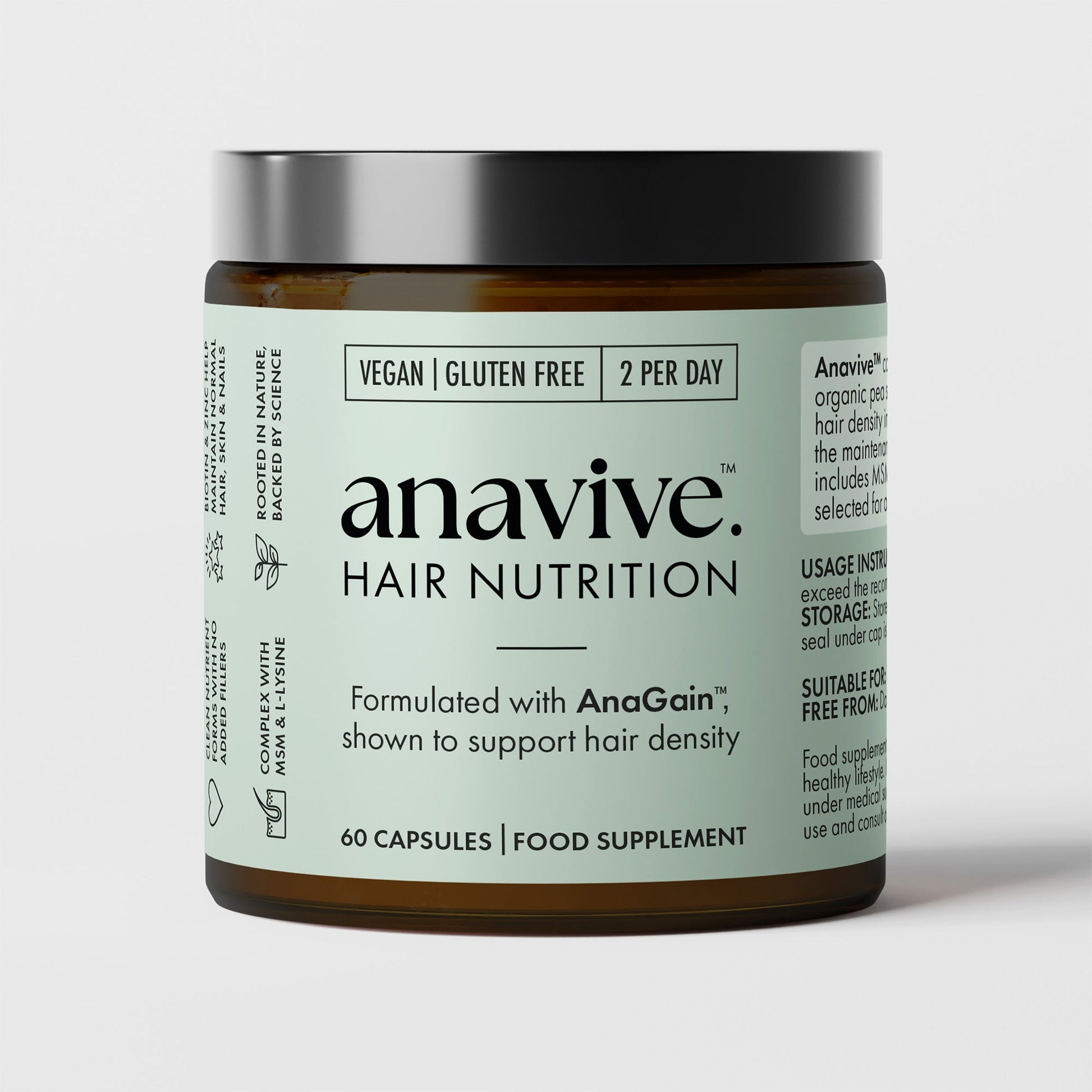


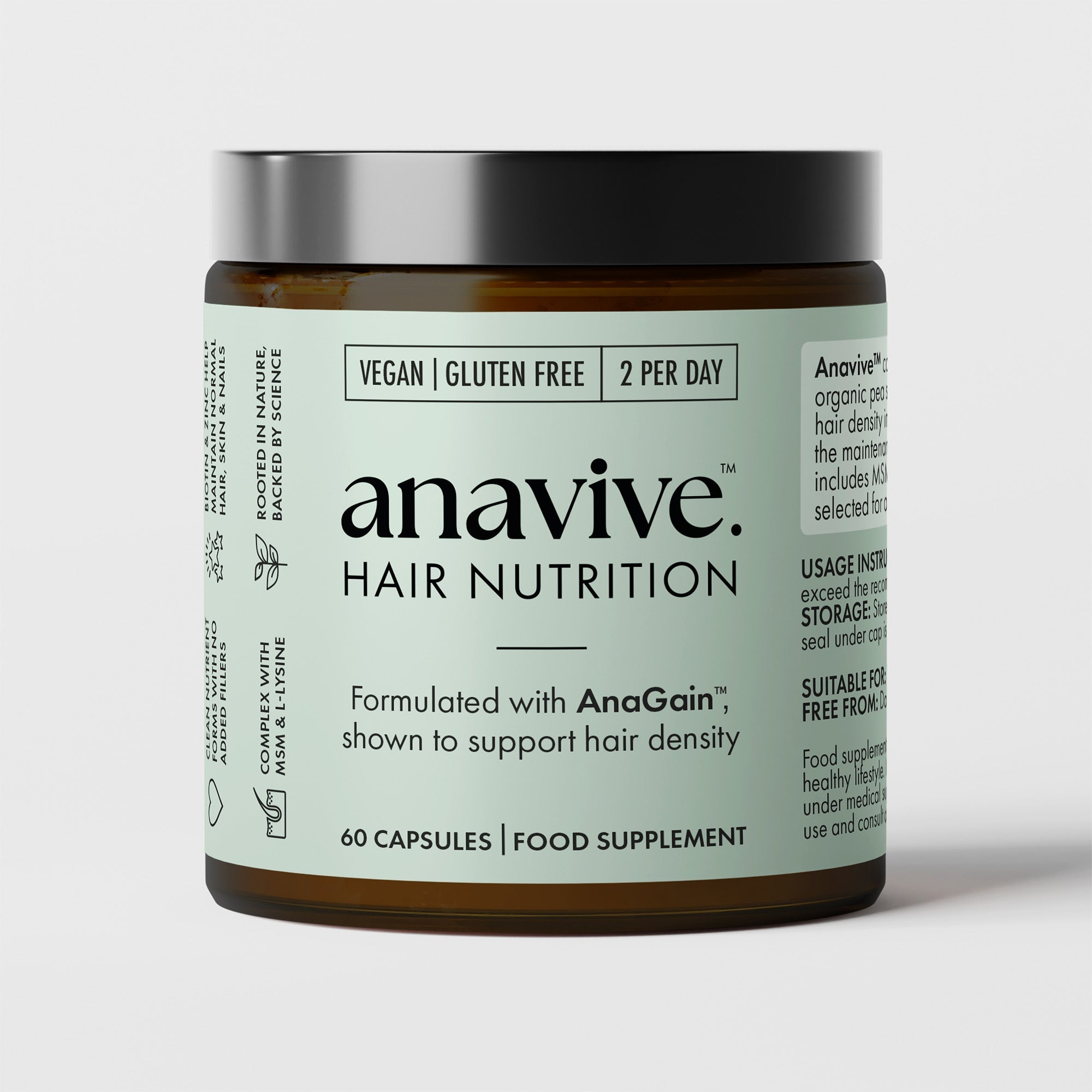


Anavive Hair Nutrition - 1 Month Supply
Anavive Hair Nutrition - 1 Month Supply
Thinning doesn’t just change your hair, it changes how you feel. The extra strands in the shower. The way you adjust your parting. The quiet sense that something is shifting. Hair rarely thins without reason, which is why Anavive is built to support the internal foundations healthy hair depends on.
Not all supplements are created equal - and the difference rarely shows on the label. Most use poorly absorbed ingredient forms that pass through your body largely unused. If the nutrients don't absorb, the formula doesn't work. Even with a decent diet, consistently hitting the right levels of zinc, iron, B vitamins, and botanicals that have been seen to support hair follicle activity isn't something food alone reliably delivers.
Anavive™ is built around a different principle: that the right ingredient forms, in the right combination, give your body something it can actually use.
Anavive is a premium daily hair health supplement formulated for men and women experiencing excessive shedding, thinning or slow regrowth. At its core is AnaGain™ - an extract from organic pea shoots, clinically studied to influence the signals that determine how many follicles are in an active growing phase. Alongside it, zinc bisglycinate and iron bisglycinate - forms chosen for their superior absorption over the oxides and sulphates used in many supplements. Vitamin B6 is delivered as P-5-P, the form your body can use directly, and Vitamin C as Calcium Ascorbate - which also contributes to normal iron absorption. Zinc and biotin contribute to the maintenance of normal hair.
The result is a formula designed to work at the level where most others don't: absorption.
Made in the UK, vegan and allergen-free, Anavive™ helps promote visibly thicker and healthier hair with consistent daily use.
In stock
 Order 3 and save £11
 Order 6 and save £27
- Delivery on us for orders over £40
