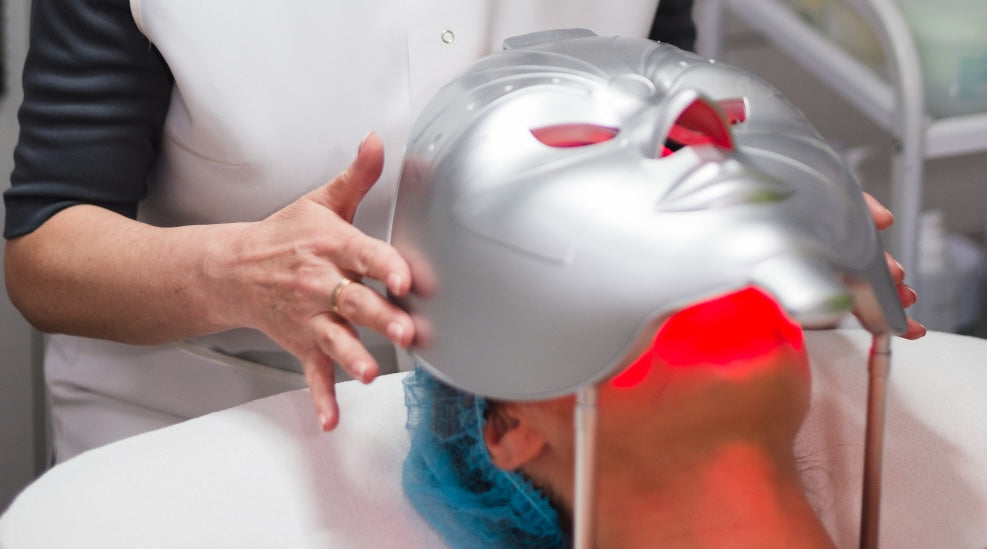
At-home red light therapy devices for hair growth have gone from niche biohacker territory to mainstream beauty recommendation in a remarkably short time. Dermatologists are increasingly listing low-level laser therapy (LLLT) as a credible, non-invasive option for thinning hair. Beauty editors are reviewing laser caps and LED helmets alongside serums and supplements. And if you have searched anything hair-loss related recently, you have almost certainly seen a before-and-after photo promising thicker hair from a glowing helmet.
Here is the thing: red light therapy for hair is not snake oil. There is genuine clinical evidence behind it. But the way it is typically discussed online, as either a miracle device or an expensive gimmick, misses the most important part of the conversation. Red light therapy works best as one layer in a broader strategy, not as a standalone solution. What you combine it with, how consistently you use it, and whether you have addressed the nutritional foundations underneath it all will determine whether you see meaningful results or just a lighter wallet.
This is the honest guide to how LLLT actually works for hair, what the research shows, what realistic timelines look like, and how to build a stacking strategy that gives your hair follicles the best possible chance of responding.
How Red Light Therapy Stimulates Hair Growth
Red light therapy for hair uses specific wavelengths of light, typically in the 630 to 670 nanometer (nm) range, to influence cellular activity in the scalp. The scientific term for this process is photobiomodulation, and it has been studied in various medical contexts since the 1960s, when researchers accidentally discovered that low-intensity red light promoted hair growth in laboratory mice.
The mechanism works at the cellular level. When red light at the right wavelength penetrates the scalp, it is absorbed by the mitochondria within your cells. This stimulates the production of adenosine triphosphate (ATP), which is essentially the energy currency your cells use to function, repair, and grow. In the context of hair follicles, this energy boost produces several measurable effects.
First, it helps push resting (telogen) follicles back into the active growth (anagen) phase, and it appears to extend the duration of that growth phase. Second, it promotes vasodilation, the widening of blood vessels around the follicle, which increases the delivery of blood, oxygen, and nutrients to the hair root. This vasodilation mechanism is, interestingly, similar to how topical minoxidil works. Third, there is evidence that red light reduces perifollicular inflammation, the low-grade chronic inflammation around the follicle that contributes to progressive thinning.
In short, LLLT does not create new follicles or reverse complete baldness. What it does is help existing follicles work more efficiently, stay in the growth phase longer, and receive more of the resources they need to produce thicker, healthier hair.
What the Clinical Evidence Actually Shows
This is where it is worth separating the marketing claims from the data. Multiple randomised, controlled trials have demonstrated that LLLT can produce statistically significant improvements in hair density and thickness, particularly for people with androgenetic alopecia (pattern thinning). Studies have reported increases in hair count ranging from 35% to 51% compared with placebo groups over treatment periods of 16 to 24 weeks. One study found that participants using dual-wavelength red light therapy saw a 43% increase in hair density over 24 weeks.
These are real, measurable improvements. But context matters. The strongest results have been observed in people with early to moderate thinning, not advanced hair loss. Once a follicle has been dormant for an extended period and has fully miniaturised, the chances of it responding to light therapy alone diminish significantly. This is why timing and early intervention matter, and why the best outcomes tend to come from people who start treatment before things have progressed too far.
It is also worth noting the distinction between true LLLT devices and generic LED products. The American Hair Loss Association identifies LLLT using medical-grade laser diodes as the gold standard for light-based hair treatment, and cautions that many generic LED caps on the market lack the power output and clinical evidence to deliver the same results. The wavelength, energy density, and duration of treatment all matter. A device that emits 650nm light via laser diodes and has been clinically tested is a fundamentally different proposition to a cheap LED cap purchased from a marketplace seller.
Why Red Light Therapy Alone Is Not Enough
Here is where most of the content you will find online falls short. The vast majority of red light therapy articles and reviews treat the device as if it operates in isolation. Use the helmet, be consistent, wait 16 weeks, and you will see results. But this framing ignores a critical biological reality: even the most energised hair follicle cannot produce healthy hair if it does not have the raw materials to do so.
Think of it this way. LLLT increases blood flow to the follicle and boosts cellular energy production. This is like turning up the power supply to a factory. But if the factory does not have the raw materials it needs, whether that is iron for oxygen transport, zinc for tissue growth and repair, amino acids for keratin production, or the vitamins that support these processes, then increased energy and blood flow alone will not translate into the thicker, stronger hair you are hoping for.
This is the concept behind what dermatologists and trichologists increasingly refer to as a "stacking strategy": combining LLLT with the nutritional foundations that provide your follicles with everything they need to actually use the stimulation they are receiving. It is not about buying more products. It is about ensuring each layer of your approach supports and amplifies the others.
Building a Hair Growth Stacking Strategy
A well-designed stacking approach has three layers, each serving a distinct purpose. None of them is optional if you want the best possible outcome.
Layer 1: The Nutritional Foundation
This is the layer that should come first, before you even consider a device. If your body is deficient in the key nutrients your follicles depend on, no amount of red light or topical treatment will compensate. This is also the layer most people skip or treat as an afterthought, which is a mistake.
The nutrients with the strongest evidence base for supporting hair health include:
Iron - Contributes to normal oxygen transport in the blood. Iron is essential for delivering oxygen to the hair follicle, and when LLLT increases blood flow to the scalp, you want that blood to be carrying adequate iron to maximise the benefit. Iron deficiency is one of the most common and most correctable contributors to hair thinning, particularly in women. The form matters enormously: iron bisglycinate is significantly better absorbed than standard ferrous sulphate and causes far less gastrointestinal discomfort, which is important for long-term consistency.
Zinc - Contributes to the maintenance of normal hair and normal protein synthesis. Zinc is directly involved in hair tissue growth, repair, and the function of the oil glands that keep your scalp environment healthy. Zinc bisglycinate offers superior bioavailability compared to zinc oxide or zinc sulphate, meaning more of what you take actually reaches the tissues where it is needed.
Vitamin C - Contributes to normal collagen formation for the normal function of skin and increases iron absorption. The synergy between vitamin C and iron is particularly relevant in a stacking context: if you are supplementing iron to support oxygen delivery to light-stimulated follicles, taking it alongside vitamin C meaningfully improves how much of that iron your body absorbs.
Biotin - Contributes to the maintenance of normal hair. Biotin supports keratin production, the structural protein your hair is made of. When follicle activity is increased through LLLT, the demand for keratin building blocks goes up. Ensuring adequate biotin intake supports the follicle's ability to meet that increased demand.
Silica - Derived from sources like bamboo extract, silica is a structural mineral that supports the strength and integrity of hair. It contributes to the connective tissue matrix around the follicle, providing the structural scaffolding that healthy hair needs as it grows.
MSM (Methylsulfonylmethane) - A bioavailable source of organic sulphur, which is a key component of the keratin and collagen that make up your hair structure. MSM supports the structural integrity of hair as it grows, making it a useful complement to nutrients that are driving follicle activity.
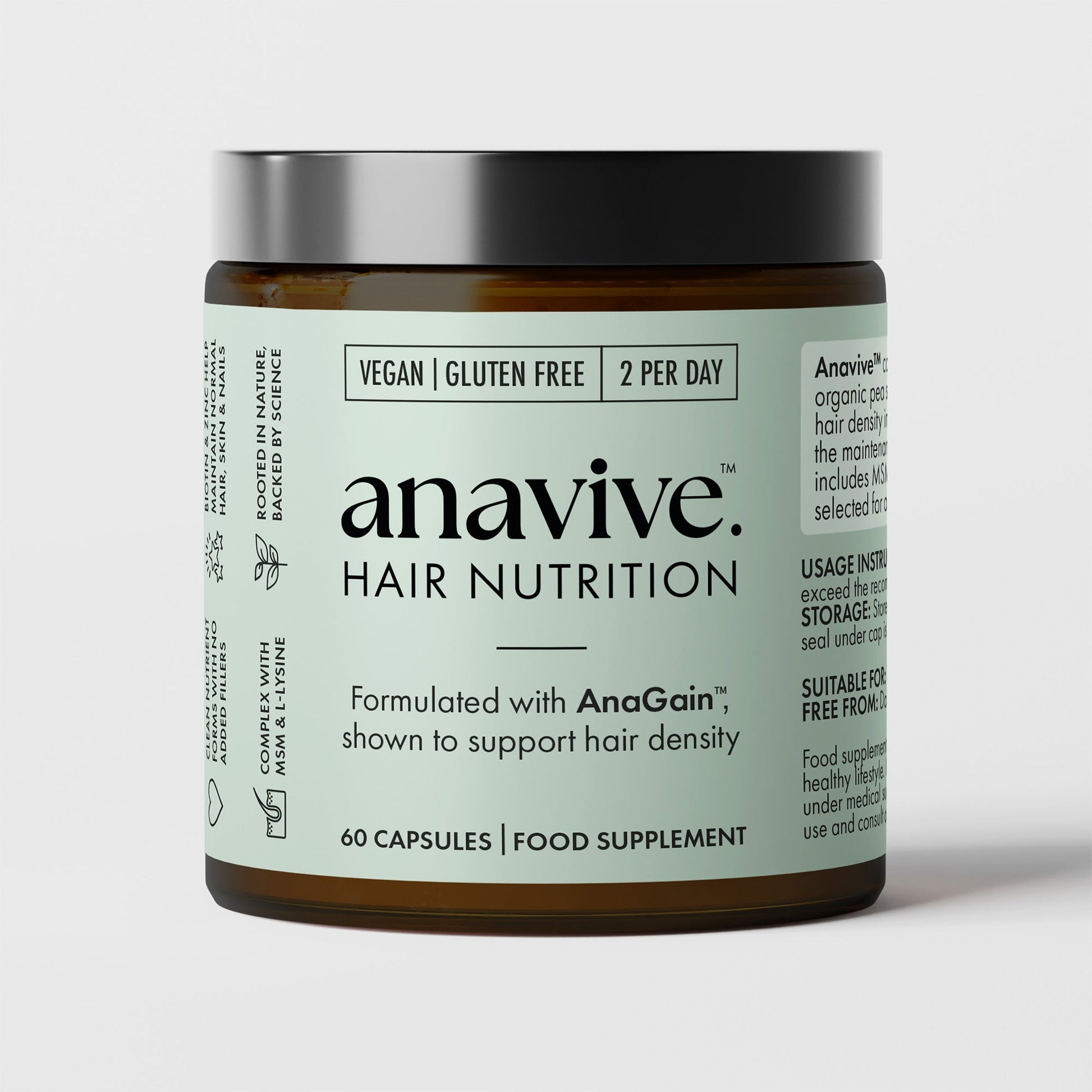
The point here is not to take a dozen individual supplements. It is to ensure you are getting these nutrients consistently, in forms your body can actually use, ideally from a single well-formulated supplement that has been designed with bioavailability in mind. A supplement using iron bisglycinate, zinc bisglycinate, active B6 (pyridoxal-5-phosphate), and properly sourced botanical extracts will deliver meaningfully better results than a generic multivitamin using cheap, poorly absorbed ingredient forms.
Layer 2: The Device (Consistency Over Intensity)
Once your nutritional foundation is in place, the device layer is where LLLT comes in. The research is clear that consistency is the single most important factor determining whether you see results. Most clinical protocols call for use every other day, with treatment sessions lasting between 15 and 30 minutes depending on the device.
When choosing a device, prioritise the following:
Wavelength. Look for devices emitting in the 630 to 670nm range, which has the strongest clinical evidence for hair follicle stimulation. Some devices also incorporate near-infrared wavelengths (810 to 850nm), which can penetrate slightly deeper and may provide additional benefit.
Power output. A device needs adequate energy density to actually stimulate the follicles. True LLLT devices using laser diodes deliver more targeted energy than generic LED panels. If a device seems unusually cheap for what it claims to do, the power output is likely the reason.
Coverage. Helmet and cap-style devices provide the most even, hands-free coverage. Headband-style devices work well for targeting specific areas like the hairline or crown. Brush-style devices require more effort and active use, but can be useful for people who want portability.
Compliance. The best device is the one you will actually use consistently. If a 25-minute helmet session fits naturally into your evening routine, that will outperform a more powerful device that sits in a drawer because it is inconvenient. Some newer devices offer app-guided adherence tracking, which can help with building the habit.
Do not expect visible changes before 12 weeks. Most studies show early signs of improvement between weeks 12 and 16, with more substantial results becoming apparent between months four and six. If you are not seeing any change after six months of consistent use with a quality device and solid nutritional support, it is worth consulting a dermatologist to reassess.
Layer 3: Scalp Environment and Routine
The third layer is about ensuring the scalp environment itself is not working against you. There is little point increasing blood flow and nutrient delivery to a follicle that is buried under product buildup, inflamed from an irritated scalp, or compromised by chronic stress.
Keep your scalp clean but not stripped. A gentle, sulphate-free shampoo used every two to three days removes the sebum and dead skin that can clog follicles without disrupting the scalp's natural barrier. Some people find it helpful to wash their scalp before a red light session to ensure the light can penetrate unobstructed.
Promote scalp circulation beyond your device. Regular scalp massage, even just a few minutes daily, has been shown to improve blood flow and may complement LLLT. Ingredients like cayenne pepper extract have been traditionally used to promote circulation to the scalp, offering a gentle warming effect that supports blood flow to the follicle.
Manage inflammation and stress. Chronic stress and the cortisol it produces directly impair follicle function and can counteract the benefits of LLLT. Adaptogenic herbs like ashwagandha have been studied for their ability to help the body manage physiological stress, addressing one of the systemic factors that undermines hair growth from the inside.
Realistic Timelines: What to Expect and When
One of the biggest reasons people abandon red light therapy (or any hair growth strategy) is unrealistic expectations about timing. Hair growth is a slow biological process. Your hair grows at roughly 1cm per month, and the follicle turnover cycle takes months to shift. Here is what a realistic stacking timeline looks like:
Weeks 1-4: You are building the foundation. Start your nutritional supplement and begin your device protocol. You will not see visible hair changes during this period, but your body is beginning to replenish nutrient stores and your follicles are starting to receive the stimulation.
Weeks 4-12: The internal work is happening. Follicles are beginning to shift from resting to growth phase. Scalp health may start to improve, with reduced flakiness or irritation being early positive signs. Hair changes are not yet visible to the eye.
Weeks 12-20: This is typically when the first visible signs appear. Reduced shedding is often noticed first, followed by the emergence of fine new growth, particularly around the hairline and parting. This is the stage where most people either commit for the long term or give up. Do not give up.
Weeks 20-36: This is where the compounding effect of a stacking strategy shows. New growth begins to thicken and gain length. Overall hair density starts to look and feel different. People who have been consistent with all three layers (nutrition, device, and scalp care) typically see the most noticeable improvements during this window.
Months 9-12+: Continued improvement and maintenance. Hair growth is an ongoing process, not a destination. Most dermatologists recommend continuing both supplementation and LLLT as a maintenance protocol to sustain the gains you have made.
Common Mistakes That Undermine Results
Starting the device without fixing nutrition first. If you are deficient in iron, zinc, or key B vitamins, your follicles lack the raw materials to respond to stimulation. Increasing energy and blood flow to a malnourished follicle is like revving an engine with no fuel in the tank.
Inconsistency. Using your device three times one week, then skipping two weeks, then trying again delivers essentially nothing. The studies showing 35 to 51% improvements in hair count were built on protocols requiring 80% compliance or higher. Treat your sessions like a non-negotiable part of your routine.
Expecting overnight results. The hair growth cycle operates on a timeline of months, not days. If a product or device promises visible results in two weeks, it is not being truthful. Genuine hair growth is a slow, cumulative process that rewards patience and consistency.
Buying the cheapest device available. A sub-par device with insufficient power output and unverified wavelength claims will not deliver clinically relevant stimulation. You do not need to spend a fortune, but investing in a device with verified specifications and ideally some clinical backing will make a meaningful difference to your outcomes.
Ignoring scalp health. Product buildup, chronic inflammation, and poor scalp hygiene create a physical barrier between the light and your follicles, and an environment that undermines growth even when stimulation is adequate. Keep your scalp clean and healthy as a baseline.
The Bottom Line
Red light therapy is a genuine, evidence-backed tool for supporting hair growth. The clinical data is solid, particularly for people with early to moderate thinning. But it is a tool, not a solution in itself. The people who see the best, most sustainable results are the ones who treat it as one layer in a broader strategy: a high-quality nutritional foundation providing the bioavailable vitamins, minerals, and amino acids their follicles need, combined with consistent device use, and supported by a scalp environment that is not working against them.
Start with your nutrition. Build the habit with your device. Look after your scalp. Give it time. That is the stacking strategy that actually works, and it is far more effective than any single product or device used in isolation.
This article is for informational purposes only and does not constitute medical advice. If you are experiencing hair loss, please consult your GP or a qualified dermatologist before beginning any new treatment protocol. Nutrient information referenced in this article reflects EFSA-approved health claims where indicated. Individual results from supplementation and device use vary and depend on underlying health status, the nature of the hair loss, and consistency of use.