


The Anavive Difference
A supplement is only as good as what your body can actually absorb from it.
Where other hair supplements may use nutrient forms your body can struggle to use, Anavive uses premium, chelated and active forms - chosen for bioavailability and high absorption.
Because if it doesn't reach the follicle, it doesn't count.
A complete daily ritual

Healthy Hair Support
Biotin contributes to the maintenance of normal hair. Backed by clinically studied plant extracts to support visibly healthy, fuller-looking strands.


Balance & Vitality
Includes an essential amino acid for protein formation. Alongside Ashwagandha, traditionally used to support the body during times of stress.

Scalp & Follicle Nutrition
With Zinc, which contributes to the maintenance of normal hair, and Iron, which supports normal oxygen transport for scalp and follicle health.

Energy & Renewal
Iron contributes to the reduction of tiredness and fatigue, while Vitamin C supports normal collagen formation and helps increase iron absorption.

Colour & Protection
Copper contributes to normal hair pigmentation and to the protection of cells from oxidative stress, helping maintain natural vibrancy and resilience.




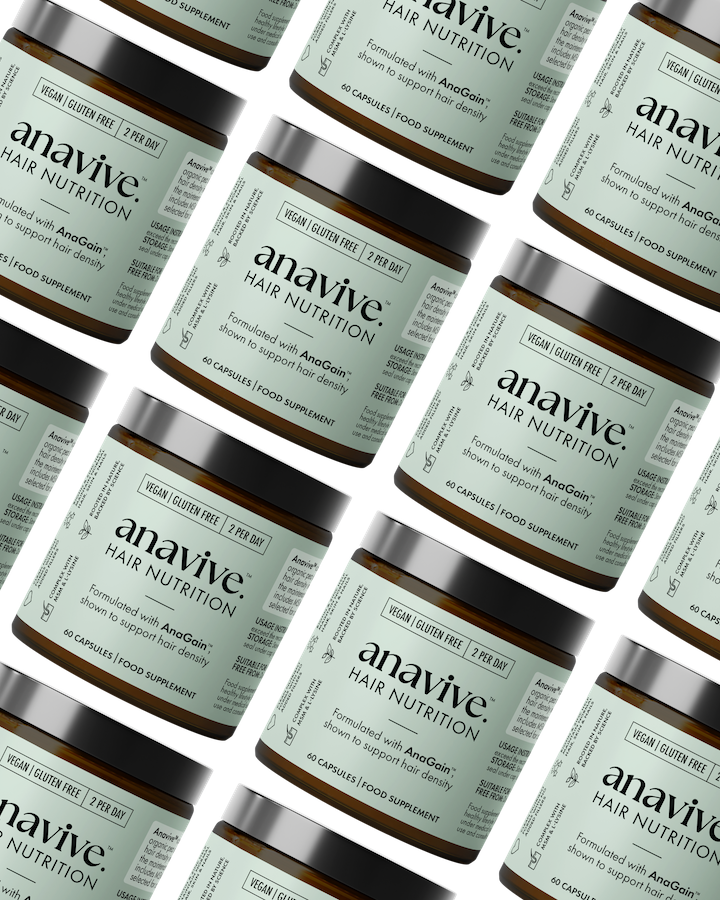
Anavive Hair Nutrition - 1 Month Supply
Anavive Hair Nutrition - 1 Month Supply
Thinning doesn’t just change your hair, it changes how you feel. The extra strands in the shower. The way you adjust your parting. The quiet sense that something is shifting. Hair rarely thins without reason, which is why Anavive is built to support the internal foundations healthy hair depends on.
Not all supplements are created equal - and the difference rarely shows on the label. Most use poorly absorbed ingredient forms that pass through your body largely unused. If the nutrients don't absorb, the formula doesn't work.
Anavive™ is built around a different principle: that the right ingredient forms, in the right combination, give your body something it can actually use.
Anavive is a premium daily hair health supplement formulated for men and women experiencing excessive shedding, thinning or slow regrowth. At its core is AnaGain™ - an extract from organic pea shoots, clinically studied to influence the signals that determine how many follicles are in an active growing phase. Alongside it, zinc bisglycinate and iron bisglycinate - forms chosen for their superior absorption over the oxides and sulphates used in many supplements. Vitamin B6 is delivered as P-5-P, the form your body can use directly, and Vitamin C as Calcium Ascorbate - which also contributes to normal iron absorption. Zinc and biotin contribute to the maintenance of normal hair.
The result is a formula designed to work at the level where most others don't: absorption.
Made in the UK, vegan and allergen-free, Anavive™ helps promote visibly thicker and healthier hair with consistent daily use.
In stock
Share this product
90-Day Satisfaction Guarantee
We're confident in Anavive's quality and formulation.
If you're not satisfied with your results after 90 days of consistent use, contact us and we'll make it right.
Visible Results from AnaGain™
Real results powered by AnaGain™ — the plant-based active in Anavive.
Within 28 days, hair shedding may begin to reduce, and after 56 days, visible improvements in thickness and density can be seen.
Keep going for fuller, stronger, more resilient hair over time.
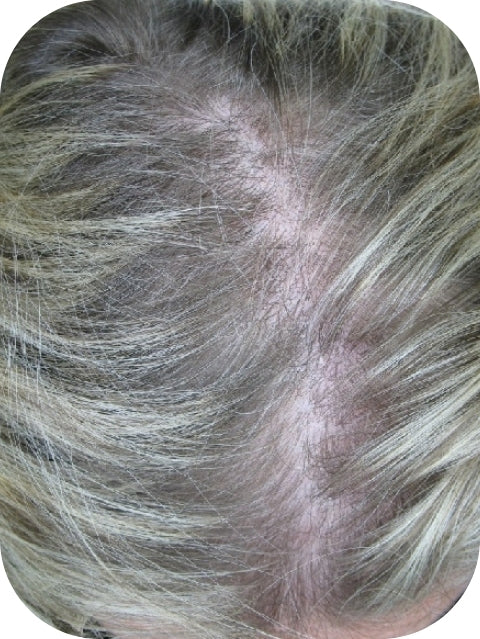
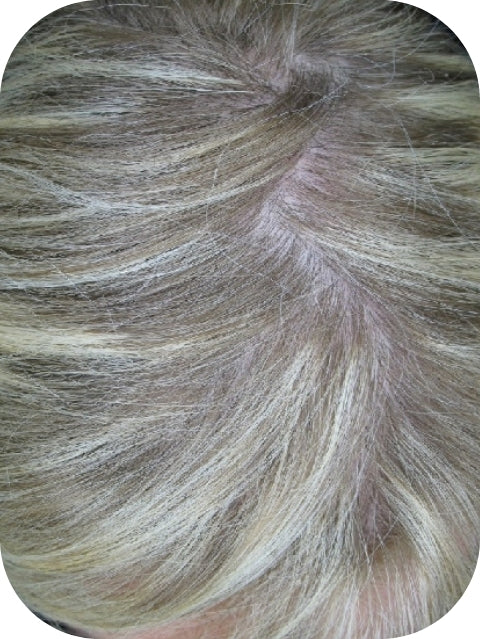
Anavive Success Stories


We're here for you!
Formulated and manufactured in the UK by leading supplement specialists, Anavive is built on expertise you can trust.
Any question about our products? Check if you can find them here or get in touch for more info.
How long does it take to see results from Anavive?
How long does it take to see results from Anavive?
The Anavive formula is new, however clinical studies of AnaGain™, the pea shoot extract inside Anavive, have shown results in as little as 28 days.
Results may vary, but every batch of Anavive is made in the UK to ensure premium quality and reliable results.
Is Anavive suitable for both men and women?
Is Anavive suitable for both men and women?
Yes. Anavive is a gender-neutral hair supplement designed for adults who want to support healthy hair growth and scalp vitality.
Where is Anavive made?
Where is Anavive made?
Anavive is proudly formulated and manufactured in the United Kingdom under GMP standards. Our UK-based production ensures traceable ingredients and consistent, high-quality manufacturing.
Can I take Anavive with other supplements?
Can I take Anavive with other supplements?
Anavive is designed to complement most daily wellness routines. However, if you’re already taking other supplements or prescribed medication, or have any medical conditions, we recommend checking the nutrient reference values (NRVs) and speaking with your GP or pharmacist to ensure your total intake stays within safe levels.
Is Anavive vegan and allergen-free?
Is Anavive vegan and allergen-free?
Yes - Anavive capsules are 100 % plant-based, vegan, gluten-free and made without common allergens.
Do I need to subscribe to use Anavive?
Do I need to subscribe to use Anavive?
No you don't have to - you can purchase single bottles.
About Anavive™
Founded by a hairstylist who understands the science behind healthy hair, Anavive brings together advanced nutrition and clinical research to help you protect, strengthen, and renew your hair from within.

Made for great people like you
Your hair gets targeted nutrients - backed by science and inspired by nature - to help it look and feel its healthiest.
Learn More

Supplements for Hair Loss in Women: What the Evidence Actually Says
Hair loss is one of the most searched health topics in the UK, and the supplement aisle has never been more crowded. But which nutrients genuinely have a role in supporting hair health, how do they work internally, and what should you actually look for in a formula? This guide covers the science clearly, without the noise. 15 min read Key Points Hair loss in women has multiple underlying causes - nutritional, hormonal, and stress-related - and addressing only one rarely resolves it. Iron, zinc, biotin, iodine, and vitamin B6 all have EFSA-authorised links to normal hair maintenance; deficiency in any one of them can disrupt the hair cycle. The form a nutrient is delivered in matters enormously - chelated and active forms are significantly better absorbed than standard oxide or synthetic versions. AnaGain™, a clinically studied pea shoot extract, has been shown in peer-reviewed research to influence specific signalling proteins involved in the hair growth cycle (Phytother Res. 2020;34(2):428-431). High-dose biotin can interfere with certain laboratory blood tests, including thyroid panels - always inform your GP if you are taking a biotin supplement before tests are arranged. Supplements are a nutritional foundation, not a medical treatment. Sudden, patchy, or painful hair loss always warrants GP assessment to exclude a treatable underlying condition. Contents Why Hair Loss in Women Is Rarely Simple Understanding the Hair Growth Cycle Nutritional Deficiencies Most Closely Linked to Hair Thinning Key Ingredients and What the Evidence Says Why Ingredient Form Matters More Than Most People Realise Building a Nutritional System, Not a Single Fix Safety Considerations and Important Interactions When to See Your GP Frequently Asked Questions Why Hair Loss in Women Is Rarely Simple Around 40% of women in the UK will notice meaningful changes in hair density by the time they reach their fifties, but the experience is not confined to that age group. Younger women in their twenties and thirties are increasingly reporting increased shedding, reduced density, and changes in hair texture - often without a single identifiable cause. That is because female hair loss is, in most cases, multi-factorial. The hair follicle is one of the most metabolically active structures in the body. It responds to shifts in hormonal status, nutrient availability, stress signalling, and circulation - often all at once. When clinicians and researchers study female hair loss, they consistently find that it is the combination of pressures, rather than any one factor, that tips the balance from healthy cycling into increased shedding. The most commonly identified contributing factors include: Telogen effluvium - a phase of diffuse, temporary shedding triggered by physical or psychological stress, illness, surgery, rapid weight change, or nutritional depletion. The hair follicle responds to internal stress by entering a resting phase earlier than it should. Female pattern hair loss (androgenetic alopecia) - a genetically influenced condition in which follicles gradually become sensitive to androgens, producing progressively finer strands and shortening the active growth phase. Hormonal transitions - perimenopause, postpartum recovery, and thyroid dysfunction all alter the hormonal signalling that governs how long follicles spend in each phase of the hair cycle. Nutritional deficiency - iron, zinc, iodine, and B vitamins are among the nutrients most closely associated with hair follicle function, and deficiency in any of them can push more follicles into the resting phase prematurely. GLP-1 medication use - a growing number of women using GLP-1 receptor agonists for weight management report accelerated hair shedding, likely driven by the rapid nutritional deficit that accompanies significant caloric restriction. Chronic stress - elevated cortisol has a direct effect on hair follicle cycling, and psychological stress is one of the more underappreciated drivers of increased shedding in women of working age. Understanding which combination of factors is at play matters, because the nutritional support required differs depending on the underlying picture. Supplementation that addresses only one pathway is unlikely to be sufficient where multiple pressures are acting simultaneously on the follicle. Understanding the Hair Growth Cycle Every hair on your head is independently cycling through three distinct phases. Knowing how that cycle works makes it much easier to understand why nutritional support takes time - and why addressing the internal environment matters more than most topical approaches can offer. Phase What Is Happening Typical Duration Anagen (growth) The follicle is actively producing a hair shaft. This is the phase that determines both hair length and density. The proportion of follicles in anagen at any one time reflects overall hair fullness. 2-7 years Catagen (transition) The follicle detaches from its blood supply and begins to regress. This is a brief, controlled phase of natural cessation before rest begins. 2-3 weeks Telogen (rest and shed) The follicle rests before the old strand is released and a new anagen cycle begins. Under normal conditions, approximately 10-15% of follicles are in this phase at any time. 3-4 months Visible thinning and increased shedding occur when this balance is disrupted - specifically, when more follicles are pushed into telogen prematurely, or when the transition back into anagen is delayed. This disruption is what stress, hormonal changes, and nutritional insufficiency all have in common: they each alter the signalling environment that governs when a follicle moves from rest back into active growth. Nutritional support, when formulated with this biology in mind, works by addressing the internal conditions that the follicle depends on to cycle efficiently. It does not override biology - it supports the conditions under which normal follicle function can be maintained. Nutritional Deficiencies Most Closely Linked to Hair Thinning Hair follicles are sensitive to nutritional status precisely because they are non-essential tissue from the body's perspective. When resources are scarce, the body will deprioritise follicle function long before it affects more critical systems. Several specific nutrients have well-documented roles in follicle biology, and their absence - even at subclinical levels - can meaningfully affect the hair cycle. Iron Iron deficiency is widely considered the nutritional factor most commonly associated with hair shedding in women of reproductive age. The hair follicle matrix contains some of the most rapidly dividing cells in the body, and cell division is oxygen-dependent. Iron contributes to the normal transport of oxygen in the body - a process that follicle cells depend on throughout the anagen phase. Low ferritin (the body's iron storage protein) has been linked to telogen effluvium even in women who are not clinically anaemic, suggesting that follicle-level sufficiency requires more than just the absence of anaemia. Iron status should be assessed by blood test before supplementation is considered. Zinc Zinc contributes to the maintenance of normal hair - an EFSA-authorised claim - and there is good mechanistic reasoning behind it. Zinc is involved in keratin synthesis, DNA replication within follicle cells, and the activity of enzymes that regulate the hair cycle. Deficiency results in diffuse shedding and reduced strand strength. It is worth noting that excess zinc also carries risks, including impaired copper absorption - which is why the form and dose of zinc in a supplement formula matter, not just its presence. Biotin (Vitamin B7) Biotin contributes to the maintenance of normal hair, per EFSA authorised claims. It plays a role in keratin infrastructure and fatty acid synthesis within follicle cells. True biotin deficiency is uncommon in people eating a varied diet, but it can occur in those with certain gut conditions, during pregnancy, or following prolonged antibiotic use. Importantly, high-dose biotin supplementation can interfere with a range of immunoassay-based laboratory tests, including thyroid function tests - always inform your GP if you are taking biotin before blood tests are arranged. Iodine and Thyroid Function Iodine contributes to normal thyroid function, and thyroid hormones have a significant influence on hair follicle cycling. Both hypothyroidism and hyperthyroidism are associated with hair changes, and iodine insufficiency - which is more prevalent in the UK than many people realise, particularly among women who avoid dairy - can be an underappreciated contributor. Kelp is a natural dietary source of iodine. Vitamin B6 Vitamin B6 contributes to the regulation of hormonal activity - an EFSA-authorised claim that is particularly relevant to hair health. Oestrogen and progesterone fluctuations directly affect follicle cycling, and B6 is involved in several of the enzymatic pathways through which these hormones are metabolised. The active form, Pyridoxal 5-Phosphate (P-5-P), bypasses the conversion step required by standard pyridoxine and is more readily utilised by the body. Vitamin C Vitamin C contributes to normal collagen formation - collagen being the structural protein that forms the connective tissue surrounding each follicle. It also enhances non-haem iron absorption, which is of direct relevance to anyone at risk of low iron stores. Vitamin C contributes to the reduction of tiredness and fatigue as well, supporting the metabolic environment that follicle function depends on. Silica Silica, found naturally in bamboo extract, is involved in the structural integrity of keratin-containing tissues. Research into its precise role in follicle biology is ongoing, but its presence in connective tissue and its traditional association with hair, skin, and nail strength make it a reasonable inclusion in a well-rounded hair health formula. Key Ingredients and What the Evidence Says The table below summarises the nutritional and botanical ingredients most relevant to female hair health, drawing on EFSA authorised claims, peer-reviewed clinical data, and established nutritional science. It is intended as an educational reference. Ingredient Role in Hair Biology EFSA Authorised Claim Form Consideration Notable Cautions Iron Bisglycinate Supports oxygen transport to follicle cells; involved in DNA synthesis during the anagen phase Iron contributes to normal formation of red blood cells and haemoglobin; contributes to normal oxygen transport Bisglycinate form is significantly better tolerated than ferrous sulphate and does not cause the GI side effects common with standard iron supplements Should be assessed by blood test first; excess iron is harmful; space away from thyroid medication by 2-4 hours Zinc Bisglycinate Involved in keratin synthesis, follicle cell replication, and enzyme activity within the hair cycle Zinc contributes to the maintenance of normal hair Bisglycinate (chelated) form has substantially higher bioavailability than zinc oxide, the form found in most low-cost supplements Excess zinc impairs copper absorption; dose matters - not just presence Biotin Required for keratin infrastructure and fatty acid synthesis within follicle cells Biotin contributes to the maintenance of normal hair Standard form is adequate; the limiting factor is usually true deficiency rather than form High-dose biotin interferes with multiple immunoassay lab tests including thyroid panels - inform your GP before blood tests Vitamin B6 (P-5-P) Involved in hormonal metabolism pathways relevant to follicle cycling; supports protein metabolism used in hair structure Vitamin B6 contributes to the regulation of hormonal activity; contributes to normal protein and glycogen metabolism Pyridoxal 5-Phosphate (P-5-P) is the active, coenzyme form - more readily utilised than standard pyridoxine hydrochloride Very high doses of pyridoxine long-term have been linked to peripheral neuropathy; P-5-P at supplemental doses does not carry the same risk Vitamin C (Calcium Ascorbate) Enhances iron absorption; supports collagen formation around the follicle; contributes to protection of cells from oxidative stress Vitamin C contributes to normal collagen formation; contributes to increased iron absorption; contributes to the reduction of tiredness and fatigue Calcium ascorbate is a buffered, non-acidic form that is better tolerated by those with digestive sensitivity than standard ascorbic acid Generally well tolerated; extremely high doses can cause GI discomfort Iodine (Kelp Extract) Required for normal thyroid hormone production; thyroid hormones directly regulate follicle cycling Iodine contributes to normal thyroid function Kelp is a natural source; dose should remain within safe supplemental ranges Those with thyroid conditions or taking thyroid medication should consult their GP before supplementing iodine AnaGain™ (Pea Shoot Extract) Stimulates Noggin and FGF7 signalling proteins in dermal papilla cells; these proteins are involved in initiating a new anagen phase from follicles currently in telogen Not a regulated nutrient claim - supported by peer-reviewed clinical and bioassay data (Phytother Res. 2020;34(2):428-431) Water-soluble extract from organically germinated peas (Pisum sativum); developed by Mibelle Biochemistry, Switzerland No significant adverse effects reported in clinical studies; not a medicine MSM (Methylsulfonylmethane) Provides bioavailable sulphur, a building block of keratin - the protein that forms the hair shaft structure Not EFSA-regulated as a standalone nutrient claim; sulphur is integral to disulfide bonds that give keratin its strength MSM is a highly bioavailable organic sulphur compound Well tolerated; no notable interactions at supplemental doses L-Lysine An essential amino acid involved in protein synthesis and collagen formation; cannot be manufactured by the body and must be obtained through diet or supplementation Not EFSA-regulated as a standalone claim; essential role in structural protein production is well established Free amino acid form for direct utilisation Generally considered safe at supplemental doses; those on lysine-restricted diets for medical reasons should seek guidance Ashwagandha Extract Traditionally used as an adaptogen to support stress resilience; chronic stress elevates cortisol, which has a documented negative effect on follicle cycling Not an EFSA-authorised nutrient claim; classified as a herbal botanical; traditional use well-documented Standardised root extract for consistency of active withanolide content Not suitable during pregnancy; those on immunosuppressant or thyroid medication should consult a GP Bamboo Extract (Silica) Natural source of silica, involved in connective tissue structure and potentially in the integrity of the follicle dermal sheath Not EFSA-regulated as a standalone claim; silica's structural role in connective tissue is established Bamboo (Bambusa vulgaris) is among the richest plant sources of natural silica No notable safety concerns at supplemental doses Cayenne Pepper Extract Capsaicin, the active compound in cayenne, has been studied for its role in supporting peripheral circulation - relevant to the delivery of nutrients and oxygen to scalp follicles No specific EFSA claim; research on capsaicin and IGF-1 production at follicle level is ongoing Standardised extract for consistent capsaicin content May cause GI sensitivity at high doses; avoid if on blood-thinning medication without GP guidance Copper Glycinate Copper contributes to normal hair pigmentation and supports the activity of enzymes involved in structural protein formation Copper contributes to normal hair pigmentation; contributes to normal energy-yielding metabolism Glycinate chelate form for improved absorption and GI tolerability over copper sulphate Copper and zinc interact - formula balance between the two matters; excess of either affects absorption of the other † EFSA authorised claims under EC Regulation 432/2012. Statements marked as not EFSA-regulated are included for educational context based on available research. This article does not constitute medical advice. Why Ingredient Form Matters More Than Most People Realise If there is one thing the supplement industry does not advertise clearly enough, it is that two products can share the same ingredient name on their label and deliver very different amounts of that nutrient to the tissues that need it. Absorption is not guaranteed by inclusion. Mineral forms are the clearest example. Zinc is a single element, but its absorption depends entirely on what it is bound to. Zinc oxide - used in many mass-market supplements because it is inexpensive - has relatively poor bioavailability compared to chelated forms such as zinc bisglycinate, where the mineral is bound to the amino acid glycine. The chelate structure protects the mineral from competing ions in the gut and allows it to cross the intestinal wall more efficiently. The same principle applies to iron (bisglycinate versus ferrous sulphate) and copper (glycinate versus copper sulphate). Vitamin forms carry the same logic. Vitamin B6 is most commonly found in supplements as pyridoxine hydrochloride - a precursor that the liver must convert into the active coenzyme form, Pyridoxal 5-Phosphate (P-5-P), before the body can use it. For the majority of people this conversion is straightforward, but for those under metabolic stress, with digestive compromise, or simply wanting to remove an unnecessary conversion step, supplementing directly with P-5-P is more efficient. Similarly, standard ascorbic acid (vitamin C) is effective but can cause GI discomfort in those with sensitive digestion. Calcium ascorbate delivers the same vitamin C activity at a buffered, less acidic pH, making it better tolerated with food. This distinction - between nutrients that appear on a label and nutrients the body can actually use - is what separates a thoughtfully formulated supplement from one that is primarily a marketing exercise. It is worth reading ingredient labels carefully, looking not just at what is present but at the specific form listed. Building a Nutritional System, Not a Single Fix The hair supplement market has long been dominated by single-hero-ingredient products - biotin gummies being the most obvious example. The appeal is understandable: a simple answer to a complex problem. But hair health does not operate through a single pathway, and no single ingredient addresses the full picture of what follicles depend on to cycle well. A more useful way to think about nutritional support for hair is as a series of interconnected systems - each one addressing a distinct biological requirement, and each one reinforcing the others. System 1: Absorption and Iron Delivery Iron is essential for follicle cell division during the anagen phase, but its absorption from plant-based or supplemental sources is determined by several co-factors. Vitamin C directly enhances non-haem iron absorption, and vitamin B6 plays a supporting role in the metabolic pathways through which iron is utilised. Supplementing iron without attending to the absorption environment is significantly less effective than addressing all three together. System 2: Hormonal and Stress Resilience Hormonal fluctuations - whether driven by perimenopause, postpartum recovery, or chronic stress - are among the most common triggers of increased hair shedding in women. Vitamin B6 contributes to the regulation of hormonal activity. Iodine contributes to normal thyroid function. Ashwagandha has been used traditionally to support the body's resilience to stress, with emerging research examining its effect on cortisol modulation. Together, these ingredients address the hormonal environment that follicle cycling operates within. System 3: Structural Integrity Hair is primarily keratin. Keratin is primarily protein. Building and maintaining the hair shaft requires sulphur (from MSM), essential amino acids (from L-Lysine), and the micronutrients involved in protein synthesis - including zinc and biotin, both of which contribute to the maintenance of normal hair per EFSA-authorised guidance. Silica from bamboo extract and collagen-supporting vitamin C contribute to the structural environment surrounding each follicle. System 4: Follicle Cycle Signalling - AnaGain™ One of the more scientifically interesting developments in hair supplement formulation is the inclusion of botanicals with studied effects on follicle signalling biology. AnaGain™, a pea shoot extract developed by Mibelle Biochemistry in Switzerland, has been the subject of both bioassay and clinical research. The bioassay work examined gene expression in hair bulbs following topical application, finding upregulation of two specific signalling proteins: Noggin (involved in shortening the telogen phase) and FGF7 - Fibroblast Growth Factor 7 - which promotes the proliferation of matrix keratinocytes as a new anagen phase begins. Published clinical data in Phytotherapy Research (2020) demonstrated a statistically significant reduction in hair shedding counts at one and two months in volunteers with mild to moderate hair loss, alongside visibly improved hair density. AnaGain™ does not override the hair cycle. Its proposed mechanism is to support the conditions under which more follicles transition from telogen back into anagen - which, in biological terms, is precisely where nutritional and stress-related disruption tends to cause the most visible impact. A note on timelines. Hair follicles operate on long biological cycles. The anagen phase of the hair you grow today began months ago. This means that nutritional support takes time to show visible results - typically three months at minimum, and often longer for the full picture to become apparent. Supplements that claim results in two weeks are, in most cases, not being scientifically honest about follicle biology. Safety Considerations and Important Interactions Nutritional supplements are not without risk at high doses or in certain clinical contexts. The following are the most important considerations for women thinking about hair health supplementation. Ingredient Key Safety Consideration Who Should Take Extra Care Iron Iron status should be confirmed before supplementing; excess iron is harmful and can cause GI distress. Space at least 2-4 hours away from levothyroxine, tetracycline or quinolone antibiotics, and bisphosphonates. Women not confirmed deficient; those taking thyroid medication or antibiotics Biotin High-dose biotin can produce falsely high or falsely low results on immunoassay-based lab tests, including thyroid function tests and troponin assays. The MHRA has issued guidance on this. Always inform your GP before blood tests. Anyone taking biotin supplements and undergoing blood tests Zinc Long-term high-dose zinc (above approximately 25mg/day) can impair copper absorption. The zinc-to-copper ratio within a formula matters. Those taking additional zinc from multiple sources Iodine / Kelp Iodine intake should remain within safe supplemental ranges. Kelp-derived iodine can vary; standardised extracts offer more predictable dosing. Those with thyroid conditions should consult a GP before supplementing. Women with diagnosed thyroid conditions or taking thyroid medication Ashwagandha Not recommended during pregnancy. Theoretically may interact with immunosuppressant medication and thyroid drugs - consult a GP if taking either. Pregnant women; those on immunosuppressants or thyroid medication Vitamin C (high dose) Generally very well tolerated; very high doses can cause GI discomfort in sensitive individuals. Buffered forms (such as calcium ascorbate) reduce this risk. Those with a history of kidney stones should seek advice before supplementing above dietary levels Cayenne Pepper Extract May increase the effect of anticoagulant medications including warfarin. Those on blood-thinning medication should discuss supplementation with their GP or pharmacist. Women on anticoagulant therapy Pregnant and breastfeeding women should always consult a healthcare professional before starting a new supplement. Women taking prescribed medication of any kind are advised to discuss any new supplement with their GP or pharmacist before beginning, particularly where iron, iodine, or herbal ingredients are involved. Adverse reactions to supplements can be reported to the MHRA via the Yellow Card scheme at yellowcard.mhra.gov.uk. When to See Your GP Nutritional support for hair health is a reasonable and often appropriate approach for women experiencing gradual changes in density, shedding, or quality - particularly where stress, hormonal transition, or nutritional gaps are contributing. But there are circumstances in which GP assessment should come first, not after trying a supplement. You should make an appointment promptly if: Hair loss is sudden, rapid, or occurring in clearly defined patches rather than diffusely Your scalp is painful, sore, scaly, inflamed, or visibly affected - these features require clinical assessment to exclude conditions such as tinea capitis or scarring alopecia, where prompt treatment can prevent permanent follicle damage Hair loss is accompanied by other symptoms - significant fatigue, changes in weight, skin changes, irregular periods, or palpitations - which may indicate an underlying hormonal or systemic condition You are experiencing significant psychological distress as a result of your hair changes You have been using topical or supplemental approaches consistently for several months without meaningful improvement Your GP can arrange relevant blood tests - typically including ferritin, full blood count, thyroid function, vitamin D, B12, folate, and hormonal panels where indicated - to identify or exclude specific deficiencies and underlying conditions. Specialist referral to a dermatologist is available through the NHS where needed. Hair loss is a legitimate medical and psychological concern. It warrants proper attention, not dismissal. Nutritional support and clinical investigation are not mutually exclusive - in many cases, they are complementary. Frequently Asked Questions Which nutrients are most closely linked to hair health in women? ↓ Iron, zinc, biotin, iodine, and vitamin B6 all have EFSA-authorised roles in normal hair maintenance or in systems that influence the hair cycle - including thyroid function and hormonal activity. Vitamin C plays an important supporting role through its effect on iron absorption and collagen formation. Silica, MSM, and L-Lysine contribute to the structural environment hair depends on. Where multiple deficiencies or pressures are present simultaneously, a formula addressing several pathways is likely to be more effective than a single-ingredient approach. Is biotin really useful for hair, or is it just marketing? ↓ Biotin does have an EFSA-authorised role in normal hair maintenance, and it is a genuine component of keratin biology. However, true biotin deficiency is uncommon in people eating a broadly varied diet. Where biotin is included in a hair supplement, it is most useful as part of a broader formula addressing multiple nutritional pathways - not as the primary active ingredient. Biotin-only products rarely address the underlying causes of hair thinning in most women. One important practical point: high-dose biotin can interfere with immunoassay-based laboratory tests, including thyroid function panels - always inform your GP before blood tests if you are taking a biotin supplement. What is AnaGain™ and is it clinically supported? ↓ AnaGain™ is a pea shoot extract developed by Mibelle Biochemistry in Switzerland from organically germinated Pisum sativum. It was developed using a bioassay-guided approach examining gene expression in hair bulb cells. Research has shown that it upregulates two key signalling proteins in dermal papilla cells: Noggin, which is involved in shortening the telogen (resting) phase, and FGF7 (Fibroblast Growth Factor 7), which promotes the proliferation of matrix keratinocytes as a new anagen (growth) phase begins. A clinical study published in Phytotherapy Research (2020) demonstrated statistically significant reductions in hair shedding counts at one and two months in volunteers with mild to moderate hair loss, alongside visibly improved density. AnaGain™ is a food supplement ingredient and not a medicine. How long does it take for hair supplements to show results? ↓ The hair cycle operates over months, not weeks. Anagen - the active growth phase - lasts years, and the visible result of nutritional changes at follicle level takes time to emerge. Most people notice a meaningful shift in shedding volume and hair quality after around three months of consistent supplementation, with continued improvement beyond that point. Visible improvements in density, which reflect new anagen growth, typically require at least three to six months. Consistency matters far more than timing optimisation. Does the form of the nutrient in a supplement actually matter? ↓ Yes, significantly. Mineral chelates - where the mineral is bound to an amino acid such as glycine - have substantially better bioavailability than oxide or inorganic salt forms. Zinc bisglycinate and iron bisglycinate are well-documented examples where the chelated form outperforms standard alternatives in absorption studies. For vitamins, the active coenzyme form of B6 (Pyridoxal 5-Phosphate) bypasses a conversion step that the liver would otherwise need to perform. These differences do not appear on front-of-pack marketing, but they are visible in the ingredient list. Look beyond the nutrient name to the specific form. Can supplements replace medical treatment for hair loss? ↓ No. Nutritional support addresses the internal environment that hair health depends on, and it can be meaningfully effective where nutritional insufficiency, stress, or hormonal transition are contributing factors. But it is not a substitute for clinical assessment where hair loss is sudden, patchy, or accompanied by other symptoms. Conditions such as alopecia areata, scarring alopecia, tinea capitis, or significant thyroid dysfunction require medical diagnosis and appropriate treatment. A GP assessment is always the right starting point when there is any uncertainty about the cause. Editorial Standards and Disclaimer The content in this article is written for educational and informational purposes only. It draws on EFSA-authorised nutrient health claims (EC Regulation 432/2012), published peer-reviewed research, and established nutritional science. It does not constitute medical advice and should not be used as a substitute for consultation with a qualified healthcare professional. Anavive is a food supplement. Food supplements are not medicines and are not intended to diagnose, treat, cure, or prevent any disease or medical condition. If you are pregnant, breastfeeding, taking prescribed medication, or have an existing health condition, consult your GP or pharmacist before starting any new supplement. EFSA authorised claims referenced in this article apply to nutrients as defined in EU/UK Regulation and are stated in their authorised form. Ingredient-specific claims marked as educational or research-based are included for informational context and do not constitute regulated health claims. This article was last reviewed by the Anavive team in April 2026. We aim to keep content accurate and up to date with current guidance.
Learn more
The Metabolic Shift: What GLP-1s Do to Your Body's Protein Priorities (And Why Your Hair Pays the Price)
If you're taking a GLP-1 medication like Ozempic, Wegovy, or Mounjaro and you've noticed your hair thinning, you've probably read that it's because of "rapid weight loss" or "nutrient deficiencies." Both of these explanations are true, but they don't tell you the full story. They don't explain why your body suddenly decides that hair is expendable, or what's actually happening at a metabolic level when you're eating less. Understanding this deeper mechanism matters because it changes how you approach the problem. This isn't just about popping a biotin supplement and hoping for the best. It's about understanding that your body is making calculated resource allocation decisions every single day, and right now, your hair is losing the internal bidding war. Let's talk about what GLP-1 medications do to your body's protein economy, why your hair follicles are particularly vulnerable to metabolic stress, and what you can actually do about it when you understand the underlying biology. Your Body's Protein Budget: A Zero-Sum Game Your body synthesises thousands of different proteins every day. Enzymes, hormones, antibodies, muscle tissue, skin cells, and yes, hair. All of these require amino acids as building blocks, and all of them are competing for the same limited pool of resources. When you're eating normally and consuming adequate protein, this competition isn't a problem. There's enough to go around. But GLP-1 medications fundamentally alter this equation in several ways: Reduced appetite means reduced protein intake. You're simply eating less food overall, which means fewer amino acids entering your system. Even if you're consciously trying to eat protein-rich foods, the absolute quantity is often significantly lower than before. Reduced gastric emptying affects amino acid availability. GLP-1s slow how quickly food moves through your stomach. This is beneficial for blood sugar control and satiety, but it also means that even the protein you do eat is absorbed more slowly and potentially less efficiently. Your body's access to amino acids becomes more sporadic. Metabolic prioritisation shifts dramatically. When your body senses that resources are scarce (which rapid weight loss absolutely signals), it enters a kind of triage mode. Essential functions get priority. Non-essential functions get deprioritised. Hair falls squarely into the "non-essential" category. From your body's perspective, this makes perfect evolutionary sense. In times of scarcity, keeping your immune system functional, maintaining muscle mass for survival, and preserving organ function are far more important than growing hair. Your body doesn't care that you're choosing to eat less for health reasons. It just knows resources are limited and acts accordingly. Why Hair Follicles Are Metabolically Expensive Here's what most people don't realise: hair follicles are among the most metabolically active tissues in your entire body. They're constantly dividing, constantly building new keratin structures, constantly demanding resources. A single hair grows roughly 1cm per month. That doesn't sound like much, but at a cellular level, it represents an enormous amount of protein synthesis happening continuously. Your scalp has around 100,000 follicles, and in a healthy state, about 85-90% of them are actively growing at any given time. That's tens of thousands of microscopic protein factories running simultaneously, 24 hours a day. This metabolic demand makes follicles exquisitely sensitive to resource availability. When amino acid levels drop, when micronutrient cofactors become scarce, or when your body decides to redirect resources elsewhere, hair follicles are among the first to feel it. The mechanism is elegant in its simplicity: follicles that don't have adequate resources to maintain the growth phase simply... stop. They shift into the resting (telogen) phase prematurely, and a few months later, those hairs shed. This is telogen effluvium, and it's not a malfunction. It's your body making a rational decision about where to allocate scarce resources. The Amino Acid Hierarchy: Why Some Matter More Than Others Not all amino acids are created equal when it comes to hair health, and understanding this hierarchy helps explain why simply eating "more protein" isn't always sufficient. L-lysine is particularly important. It's an essential amino acid (meaning your body cannot synthesise it and must obtain it from food) that plays a specific role in hair follicle function. Research suggests it may help improve iron absorption and utilisation, which is relevant because iron deficiency is one of the most common triggers for hair shedding. When you're eating significantly less food, lysine intake often drops substantially. Cysteine and methionine are sulphur-containing amino acids that are direct building blocks of keratin, the protein that makes up your hair shaft. Without adequate sulphur-containing amino acids, your body cannot produce strong, resilient keratin structures. This is where ingredients like MSM (methylsulfonylmethane) become relevant, as they provide bioavailable sulphur. The branched-chain amino acids (leucine, isoleucine, valine) are critical for protein synthesis regulation. They don't just provide building blocks; they actually signal to your body that protein synthesis should occur. When these are low, your body's overall protein-building machinery slows down. The problem on GLP-1 medications is that you're often not just mildly low in these amino acids. You're substantially below optimal levels because you're eating perhaps half the volume of food you were previously consuming. Even if you're choosing protein-rich foods, the absolute quantity may still be inadequate for the metabolic demands of your body plus your hair. The Micronutrient Cofactor Crisis Amino acids are only half the story. Even if you had perfect amino acid availability, your body still couldn't synthesise keratin effectively without the right micronutrient cofactors. These are the vitamins and minerals that enable the enzymatic reactions required for protein synthesis. Iron doesn't just prevent anaemia. It's a cofactor for enzymes involved in DNA synthesis and cell division. Follicles are rapidly dividing tissues, and when iron levels drop (even subclinically, before you're technically anaemic), follicle function is compromised. The form matters enormously here: iron bisglycinate is absorbed far more efficiently than cheap ferrous sulphate, which means you need less of it to achieve the same effect and it's gentler on your digestive system. Zinc contributes to normal protein synthesis. That's not marketing language; it's a recognised EFSA health claim because the evidence is robust. Zinc is a cofactor for over 300 enzymes, many of which are involved in protein metabolism. Without adequate zinc, your body's ability to convert amino acids into functional proteins is impaired. Again, form matters: zinc bisglycinate is vastly superior to zinc oxide. Vitamin B6 in its active form (pyridoxal-5-phosphate) is essential for amino acid metabolism. Standard B6 (pyridoxine) needs to be converted by your liver into P5P before your body can use it. When you're under metabolic stress from rapid weight loss, that conversion may be less efficient. Using the active form bypasses this step entirely. Biotin contributes to normal hair maintenance. It's involved in the production of keratin, and whilst true biotin deficiency is uncommon in the general population, reduced food intake can meaningfully lower your levels. This is particularly relevant if you're also eating fewer eggs, nuts, and other biotin-rich foods due to reduced appetite. The critical point is this: you need all of these working together. Having adequate iron but low zinc doesn't help. Having good B6 status but poor iron levels doesn't help. Hair follicles need the complete metabolic environment to function optimally, and GLP-1-related appetite suppression undermines that environment systematically. The Stress Response Amplification There's another layer to this that often gets overlooked: the physiological stress response itself. Rapid weight loss isn't just a nutritional challenge. It's a metabolic stressor that elevates cortisol. Your body interprets significant, rapid fat loss as a potential survival threat. Cortisol levels rise as part of this adaptive response, and elevated cortisol has direct effects on hair follicles. Research shows that chronic stress and elevated cortisol can push hair follicles prematurely into the telogen (resting) phase. This is separate from the nutritional depletion mechanism, though the two work synergistically to create the perfect storm for hair shedding. This is where adaptogens like ashwagandha become relevant. These aren't miracle cures, but some research suggests they may help modulate the body's cortisol response and support resilience to physiological stress. When you're already dealing with the metabolic stress of rapid weight loss, supporting your body's stress-management systems makes biological sense. Why Timing Matters: The Three-Month Delay One of the most confusing aspects of GLP-1-related hair loss is the lag time. You start the medication, you begin losing weight, everything seems fine, and then suddenly three or four months later, your hair starts shedding dramatically. Why the delay? This is due to the hair growth cycle itself. When a follicle shifts from the growth (anagen) phase to the resting (telogen) phase, the hair doesn't fall out immediately. It stays in the follicle for another 2-4 months before shedding. This means the hair you're losing today represents follicles that were stressed months ago, typically when your weight loss was most rapid and your nutritional intake was most compromised. Understanding this timeline is important for two reasons: First, it explains why you can't immediately stop the shedding once it starts. Those hairs are already committed to falling out. You're not trying to save the hairs that are currently shedding. You're trying to support the follicles that are still in the growth phase so they don't prematurely shift into resting. Second, it reinforces why early intervention matters. If you wait until you're experiencing heavy shedding to address the nutritional side, you've already missed the window to prevent that wave. The most effective approach is to start supporting your nutritional status from the beginning of GLP-1 treatment, ideally before significant shedding begins. The Recovery Phase: What Your Body Needs to Rebuild Eventually, your weight stabilises. Your body adapts to its new metabolic baseline. The rapid-loss phase ends. At this point, the question becomes: what does your body need to shift those follicles back into active growth? The answer is the same resources it needed all along, but now you're trying to support regrowth rather than just minimise shedding. This is where consistency with high-quality, bioavailable nutrients becomes critical. Your follicles need a sustained supply of amino acids (particularly lysine, cysteine, and methionine), adequate iron and zinc in forms your body can actually absorb, B vitamins in their active forms, and compounds like AnaGain™ pea shoot extract that have been studied specifically for their effects on the hair growth cycle. AnaGain™ works by stimulating Noggin (a protein that shortens the resting phase) and FGF7 (which promotes the initiation of new growth). Clinical studies show it can increase the ratio of actively growing to resting hairs by 78%. This isn't about preventing the initial shedding. It's about helping follicles transition back into growth mode more efficiently during the recovery phase. What This Means Practically Understanding the metabolic mechanisms behind GLP-1 hair loss changes how you approach it: Start supplementation early, ideally when you begin the medication, not when shedding starts. You're trying to prevent metabolic stress to follicles, which means maintaining adequate nutrient status throughout the weight loss phase. Choose bioavailable forms. This isn't optional. Cheap iron oxide won't help if your body can't absorb it efficiently. Cheap zinc oxide won't support protein synthesis if you excrete most of it. Quality genuinely matters here because you're already dealing with reduced nutrient intake. Prioritise protein intake relentlessly. Even on reduced calories, aim for at least 1.2g of protein per kilogram of body weight. If you can't achieve this through food (which is common given appetite suppression), targeted amino acid supplementation can help bridge the gap. Be consistent for months, not weeks. Hair grows slowly. Follicles need sustained support over months to shift from resting back to growth. Sporadic supplementation won't work because you're not providing the consistent metabolic environment that healthy hair growth requires. Track your progress objectively. Take photos in the same lighting every 6-8 weeks. Your day-to-day perception is unreliable and will drive you mad. Photos provide evidence of whether regrowth is occurring, even when it feels invisible. The Honest Reality GLP-1 medications are producing remarkable results for weight management and metabolic health. But they create a metabolic environment where hair follicles struggle because they're metabolically expensive, non-essential tissues competing for resources that have suddenly become scarce. You cannot completely prevent this effect whilst aggressively losing weight. But you can minimise it, and you can support your body's recovery, by understanding what's actually happening at a metabolic level and addressing it systematically. Your hair isn't failing you. Your body is making rational allocation decisions in a resource-constrained environment. Your job is to ensure that environment has the building blocks and cofactors it needs so that when your weight stabilises, your follicles can return to healthy function as quickly as possible. That requires quality nutrition, bioavailable supplementation, consistency, and patience. There are no shortcuts. But there is a biologically sound path forward.
Learn more
Red Light Therapy for Hair Growth: Does It Actually Work, and How to Get the Most Out of It
At-home red light therapy devices for hair growth have gone from niche biohacker territory to mainstream beauty recommendation in a remarkably short time. Dermatologists are increasingly listing low-level laser therapy (LLLT) as a credible, non-invasive option for thinning hair. Beauty editors are reviewing laser caps and LED helmets alongside serums and supplements. And if you have searched anything hair-loss related recently, you have almost certainly seen a before-and-after photo promising thicker hair from a glowing helmet. Here is the thing: red light therapy for hair is not snake oil. There is genuine clinical evidence behind it. But the way it is typically discussed online, as either a miracle device or an expensive gimmick, misses the most important part of the conversation. Red light therapy works best as one layer in a broader strategy, not as a standalone solution. What you combine it with, how consistently you use it, and whether you have addressed the nutritional foundations underneath it all will determine whether you see meaningful results or just a lighter wallet. This is the honest guide to how LLLT actually works for hair, what the research shows, what realistic timelines look like, and how to build a stacking strategy that gives your hair follicles the best possible chance of responding. How Red Light Therapy Stimulates Hair Growth Red light therapy for hair uses specific wavelengths of light, typically in the 630 to 670 nanometer (nm) range, to influence cellular activity in the scalp. The scientific term for this process is photobiomodulation, and it has been studied in various medical contexts since the 1960s, when researchers accidentally discovered that low-intensity red light promoted hair growth in laboratory mice. The mechanism works at the cellular level. When red light at the right wavelength penetrates the scalp, it is absorbed by the mitochondria within your cells. This stimulates the production of adenosine triphosphate (ATP), which is essentially the energy currency your cells use to function, repair, and grow. In the context of hair follicles, this energy boost produces several measurable effects. First, it helps push resting (telogen) follicles back into the active growth (anagen) phase, and it appears to extend the duration of that growth phase. Second, it promotes vasodilation, the widening of blood vessels around the follicle, which increases the delivery of blood, oxygen, and nutrients to the hair root. This vasodilation mechanism is, interestingly, similar to how topical minoxidil works. Third, there is evidence that red light reduces perifollicular inflammation, the low-grade chronic inflammation around the follicle that contributes to progressive thinning. In short, LLLT does not create new follicles or reverse complete baldness. What it does is help existing follicles work more efficiently, stay in the growth phase longer, and receive more of the resources they need to produce thicker, healthier hair. What the Clinical Evidence Actually Shows This is where it is worth separating the marketing claims from the data. Multiple randomised, controlled trials have demonstrated that LLLT can produce statistically significant improvements in hair density and thickness, particularly for people with androgenetic alopecia (pattern thinning). Studies have reported increases in hair count ranging from 35% to 51% compared with placebo groups over treatment periods of 16 to 24 weeks. One study found that participants using dual-wavelength red light therapy saw a 43% increase in hair density over 24 weeks. These are real, measurable improvements. But context matters. The strongest results have been observed in people with early to moderate thinning, not advanced hair loss. Once a follicle has been dormant for an extended period and has fully miniaturised, the chances of it responding to light therapy alone diminish significantly. This is why timing and early intervention matter, and why the best outcomes tend to come from people who start treatment before things have progressed too far. It is also worth noting the distinction between true LLLT devices and generic LED products. The American Hair Loss Association identifies LLLT using medical-grade laser diodes as the gold standard for light-based hair treatment, and cautions that many generic LED caps on the market lack the power output and clinical evidence to deliver the same results. The wavelength, energy density, and duration of treatment all matter. A device that emits 650nm light via laser diodes and has been clinically tested is a fundamentally different proposition to a cheap LED cap purchased from a marketplace seller. Why Red Light Therapy Alone Is Not Enough Here is where most of the content you will find online falls short. The vast majority of red light therapy articles and reviews treat the device as if it operates in isolation. Use the helmet, be consistent, wait 16 weeks, and you will see results. But this framing ignores a critical biological reality: even the most energised hair follicle cannot produce healthy hair if it does not have the raw materials to do so. Think of it this way. LLLT increases blood flow to the follicle and boosts cellular energy production. This is like turning up the power supply to a factory. But if the factory does not have the raw materials it needs, whether that is iron for oxygen transport, zinc for tissue growth and repair, amino acids for keratin production, or the vitamins that support these processes, then increased energy and blood flow alone will not translate into the thicker, stronger hair you are hoping for. This is the concept behind what dermatologists and trichologists increasingly refer to as a "stacking strategy": combining LLLT with the nutritional foundations that provide your follicles with everything they need to actually use the stimulation they are receiving. It is not about buying more products. It is about ensuring each layer of your approach supports and amplifies the others. Building a Hair Growth Stacking Strategy A well-designed stacking approach has three layers, each serving a distinct purpose. None of them is optional if you want the best possible outcome. Layer 1: The Nutritional Foundation This is the layer that should come first, before you even consider a device. If your body is deficient in the key nutrients your follicles depend on, no amount of red light or topical treatment will compensate. This is also the layer most people skip or treat as an afterthought, which is a mistake. The nutrients with the strongest evidence base for supporting hair health include: Iron - Contributes to normal oxygen transport in the blood. Iron is essential for delivering oxygen to the hair follicle, and when LLLT increases blood flow to the scalp, you want that blood to be carrying adequate iron to maximise the benefit. Iron deficiency is one of the most common and most correctable contributors to hair thinning, particularly in women. The form matters enormously: iron bisglycinate is significantly better absorbed than standard ferrous sulphate and causes far less gastrointestinal discomfort, which is important for long-term consistency. Zinc - Contributes to the maintenance of normal hair and normal protein synthesis. Zinc is directly involved in hair tissue growth, repair, and the function of the oil glands that keep your scalp environment healthy. Zinc bisglycinate offers superior bioavailability compared to zinc oxide or zinc sulphate, meaning more of what you take actually reaches the tissues where it is needed. Vitamin C - Contributes to normal collagen formation for the normal function of skin and increases iron absorption. The synergy between vitamin C and iron is particularly relevant in a stacking context: if you are supplementing iron to support oxygen delivery to light-stimulated follicles, taking it alongside vitamin C meaningfully improves how much of that iron your body absorbs. Biotin - Contributes to the maintenance of normal hair. Biotin supports keratin production, the structural protein your hair is made of. When follicle activity is increased through LLLT, the demand for keratin building blocks goes up. Ensuring adequate biotin intake supports the follicle's ability to meet that increased demand. Silica - Derived from sources like bamboo extract, silica is a structural mineral that supports the strength and integrity of hair. It contributes to the connective tissue matrix around the follicle, providing the structural scaffolding that healthy hair needs as it grows. MSM (Methylsulfonylmethane) - A bioavailable source of organic sulphur, which is a key component of the keratin and collagen that make up your hair structure. MSM supports the structural integrity of hair as it grows, making it a useful complement to nutrients that are driving follicle activity. The point here is not to take a dozen individual supplements. It is to ensure you are getting these nutrients consistently, in forms your body can actually use, ideally from a single well-formulated supplement that has been designed with bioavailability in mind. A supplement using iron bisglycinate, zinc bisglycinate, active B6 (pyridoxal-5-phosphate), and properly sourced botanical extracts will deliver meaningfully better results than a generic multivitamin using cheap, poorly absorbed ingredient forms. Layer 2: The Device (Consistency Over Intensity) Once your nutritional foundation is in place, the device layer is where LLLT comes in. The research is clear that consistency is the single most important factor determining whether you see results. Most clinical protocols call for use every other day, with treatment sessions lasting between 15 and 30 minutes depending on the device. When choosing a device, prioritise the following: Wavelength. Look for devices emitting in the 630 to 670nm range, which has the strongest clinical evidence for hair follicle stimulation. Some devices also incorporate near-infrared wavelengths (810 to 850nm), which can penetrate slightly deeper and may provide additional benefit. Power output. A device needs adequate energy density to actually stimulate the follicles. True LLLT devices using laser diodes deliver more targeted energy than generic LED panels. If a device seems unusually cheap for what it claims to do, the power output is likely the reason. Coverage. Helmet and cap-style devices provide the most even, hands-free coverage. Headband-style devices work well for targeting specific areas like the hairline or crown. Brush-style devices require more effort and active use, but can be useful for people who want portability. Compliance. The best device is the one you will actually use consistently. If a 25-minute helmet session fits naturally into your evening routine, that will outperform a more powerful device that sits in a drawer because it is inconvenient. Some newer devices offer app-guided adherence tracking, which can help with building the habit. Do not expect visible changes before 12 weeks. Most studies show early signs of improvement between weeks 12 and 16, with more substantial results becoming apparent between months four and six. If you are not seeing any change after six months of consistent use with a quality device and solid nutritional support, it is worth consulting a dermatologist to reassess. Layer 3: Scalp Environment and Routine The third layer is about ensuring the scalp environment itself is not working against you. There is little point increasing blood flow and nutrient delivery to a follicle that is buried under product buildup, inflamed from an irritated scalp, or compromised by chronic stress. Keep your scalp clean but not stripped. A gentle, sulphate-free shampoo used every two to three days removes the sebum and dead skin that can clog follicles without disrupting the scalp's natural barrier. Some people find it helpful to wash their scalp before a red light session to ensure the light can penetrate unobstructed. Promote scalp circulation beyond your device. Regular scalp massage, even just a few minutes daily, has been shown to improve blood flow and may complement LLLT. Ingredients like cayenne pepper extract have been traditionally used to promote circulation to the scalp, offering a gentle warming effect that supports blood flow to the follicle. Manage inflammation and stress. Chronic stress and the cortisol it produces directly impair follicle function and can counteract the benefits of LLLT. Adaptogenic herbs like ashwagandha have been studied for their ability to help the body manage physiological stress, addressing one of the systemic factors that undermines hair growth from the inside. Realistic Timelines: What to Expect and When One of the biggest reasons people abandon red light therapy (or any hair growth strategy) is unrealistic expectations about timing. Hair growth is a slow biological process. Your hair grows at roughly 1cm per month, and the follicle turnover cycle takes months to shift. Here is what a realistic stacking timeline looks like: Weeks 1-4: You are building the foundation. Start your nutritional supplement and begin your device protocol. You will not see visible hair changes during this period, but your body is beginning to replenish nutrient stores and your follicles are starting to receive the stimulation. Weeks 4-12: The internal work is happening. Follicles are beginning to shift from resting to growth phase. Scalp health may start to improve, with reduced flakiness or irritation being early positive signs. Hair changes are not yet visible to the eye. Weeks 12-20: This is typically when the first visible signs appear. Reduced shedding is often noticed first, followed by the emergence of fine new growth, particularly around the hairline and parting. This is the stage where most people either commit for the long term or give up. Do not give up. Weeks 20-36: This is where the compounding effect of a stacking strategy shows. New growth begins to thicken and gain length. Overall hair density starts to look and feel different. People who have been consistent with all three layers (nutrition, device, and scalp care) typically see the most noticeable improvements during this window. Months 9-12+: Continued improvement and maintenance. Hair growth is an ongoing process, not a destination. Most dermatologists recommend continuing both supplementation and LLLT as a maintenance protocol to sustain the gains you have made. Common Mistakes That Undermine Results Starting the device without fixing nutrition first. If you are deficient in iron, zinc, or key B vitamins, your follicles lack the raw materials to respond to stimulation. Increasing energy and blood flow to a malnourished follicle is like revving an engine with no fuel in the tank. Inconsistency. Using your device three times one week, then skipping two weeks, then trying again delivers essentially nothing. The studies showing 35 to 51% improvements in hair count were built on protocols requiring 80% compliance or higher. Treat your sessions like a non-negotiable part of your routine. Expecting overnight results. The hair growth cycle operates on a timeline of months, not days. If a product or device promises visible results in two weeks, it is not being truthful. Genuine hair growth is a slow, cumulative process that rewards patience and consistency. Buying the cheapest device available. A sub-par device with insufficient power output and unverified wavelength claims will not deliver clinically relevant stimulation. You do not need to spend a fortune, but investing in a device with verified specifications and ideally some clinical backing will make a meaningful difference to your outcomes. Ignoring scalp health. Product buildup, chronic inflammation, and poor scalp hygiene create a physical barrier between the light and your follicles, and an environment that undermines growth even when stimulation is adequate. Keep your scalp clean and healthy as a baseline. The Bottom Line Red light therapy is a genuine, evidence-backed tool for supporting hair growth. The clinical data is solid, particularly for people with early to moderate thinning. But it is a tool, not a solution in itself. The people who see the best, most sustainable results are the ones who treat it as one layer in a broader strategy: a high-quality nutritional foundation providing the bioavailable vitamins, minerals, and amino acids their follicles need, combined with consistent device use, and supported by a scalp environment that is not working against them. Start with your nutrition. Build the habit with your device. Look after your scalp. Give it time. That is the stacking strategy that actually works, and it is far more effective than any single product or device used in isolation. This article is for informational purposes only and does not constitute medical advice. If you are experiencing hair loss, please consult your GP or a qualified dermatologist before beginning any new treatment protocol. Nutrient information referenced in this article reflects EFSA-approved health claims where indicated. Individual results from supplementation and device use vary and depend on underlying health status, the nature of the hair loss, and consistency of use.
Learn more
Why 2 in 5 Young Adults Are Already Thinking About Hair Loss (and What They Are Actually Doing About It)
Hair loss used to be something people worried about in their forties and fifties. Not any more. According to YouGov survey data, preventing hair loss is now a stated priority for a significant proportion of young adults, with approximately 2 in 5 people aged 18 to 34 actively taking steps to protect their hair before visible thinning has even started. This is not a niche concern among a handful of anxious people. It is a mainstream shift in how an entire generation thinks about their hair, their health, and what prevention actually looks like. The question is: are they doing the right things? Because while the instinct to act early is exactly right (dermatologists consistently say that early intervention is three to five times more effective than trying to restore hair after significant loss), a lot of the advice circulating on social media and in beauty marketing is either incomplete, misleading, or focused on selling products rather than solving problems. This is a practical look at why young adults are increasingly focused on hair loss prevention, what the data says about how they are approaching it, what actually works at this stage, and where most people are leaving the biggest gaps in their strategy. Why Is This Generation Thinking About Hair Loss So Early? There are several factors driving this shift, and they go beyond simple vanity. Hair loss starts earlier than most people realise. Around 16% of men between 18 and 29 already show signs of male pattern baldness. By 35, that figure jumps to roughly two-thirds. For women, the numbers are different but still significant: a 2025 survey of over 7,000 adults found that nearly one quarter of women aged 18 to 65 report that their hair has become noticeably thinner. The idea that hair loss is something that happens "later" simply does not match reality for a large number of people. Awareness has increased dramatically. Social media has brought hair loss into the open in a way previous generations never experienced. Creators, dermatologists, and trichologists sharing content on TikTok and Instagram have normalised the conversation and made younger audiences aware of warning signs (increased shedding, a wider parting, a shifting hairline) that previous generations would have quietly ignored until it was too late. The wellness generation thinks preventatively. The 18 to 34 demographic is the same group driving the growth in preventative health more broadly, from gut health supplements to skin barrier routines to annual blood panels. Hair health fits naturally into this mindset. Rather than waiting for a problem and then reacting to it, this generation wants to get ahead of it. And on this point, the data firmly supports their instinct. The psychological impact is real and well-documented. Research shows that over 60% of men experiencing hair loss feel it affects their self-esteem, with more than 40% believing it reduces their personal attractiveness. A 2025 study found that 78% of women with hair loss experienced shame, anxiety, or depression, with 85% reporting reduced self-esteem. When you know these figures, it makes complete sense that younger people would want to avoid reaching that point entirely. What Young Adults Are Actually Doing YouGov data reveals that the 18 to 34 age group is significantly more likely than older demographics to experiment with their hair care routine. They are nearly twice as likely as those over 55 to use hair oils, serums, and masks, and are the most likely age group to try supplements. Around 37% of women and 15% of men report using supplements like biotin or collagen for their hair. Younger women in particular are open to a broad range of interventions, with 61% of Gen Z women and 66% of Millennial women saying they have tried or would try hair growth medications. But there is also a significant gap between concern and effective action. Over half of people experiencing hair changes have not tried any targeted treatment at all, and more than a third of men admit to having done nothing despite noticing changes. The most common approaches, serums, oils, and over-the-counter products, tend to focus on the hair itself rather than addressing the underlying causes of thinning. And this is where the biggest opportunity for improvement lies. What Actually Works for Prevention (and What Is Just Noise) If you are in your twenties or early thirties and want to genuinely protect your hair for the long term, it helps to understand what the evidence supports rather than just following what is trending on social media. Start with what is happening inside your body, not on top of your head The single most impactful thing most young adults can do for their hair is ensure they are not deficient in the nutrients their follicles depend on. This is not glamorous advice, and it does not make for viral content, but it is the foundation that everything else is built on. Nutritional deficiencies are among the most common and most correctable contributors to hair thinning, and they are surprisingly prevalent in younger age groups. Iron deficiency affects up to 30% of premenopausal women. Zinc deficiency is widespread in people whose diets are high in processed foods and low in whole foods. Vitamin D levels in the UK are frequently suboptimal, particularly between October and April. And restrictive diets, whether for weight loss, ethical reasons, or simply the chaotic eating patterns of young adulthood, can create multiple nutrient gaps simultaneously. The nutrients with the strongest evidence base for hair health include: Iron - Contributes to normal oxygen transport in the blood. Low ferritin is one of the most common findings in young women experiencing increased shedding. Your follicles are metabolically active tissue that requires consistent oxygen delivery to function. Iron bisglycinate is the most bioavailable supplemental form and is significantly gentler on the stomach than standard ferrous sulphate, which matters for daily long-term use. Zinc - Contributes to the maintenance of normal hair and normal protein synthesis. Zinc is directly involved in cell division, tissue repair, and the structural proteins your hair is made of. Zinc bisglycinate offers meaningfully better absorption than zinc oxide or zinc sulphate. Biotin - Contributes to the maintenance of normal hair. Biotin supports keratin production. While severe deficiency is uncommon, suboptimal levels can contribute to weaker, more brittle hair, particularly in people with restricted diets. Vitamin B6 - Contributes to normal protein and glycogen metabolism. Since hair is primarily made of the protein keratin, B6 supports the metabolic processes that build hair structure. The active form, pyridoxal-5-phosphate (P5P), is more efficiently used by the body than standard pyridoxine. Vitamin C - Contributes to normal collagen formation for the normal function of skin and increases iron absorption. The dual role of supporting collagen (which provides the structural scaffolding around your follicles) and enhancing iron absorption makes vitamin C a particularly valuable companion nutrient. Iodine - Contributes to normal thyroid function. Your thyroid regulates your hair growth cycle, and suboptimal iodine intake is more common than most people think, particularly if dairy and seafood consumption is low. Getting a blood test to check your ferritin, zinc, vitamin D, and thyroid function is one of the most practical preventative steps you can take. If you are not going to do that, at minimum, a well-formulated daily supplement using bioavailable ingredient forms ensures your follicles have the raw materials they need regardless of what your diet looks like on any given day. Look after your scalp, not just your hair One positive trend among younger consumers is the growing interest in scalp health. The scalp is skin, and like all skin, it has a microbiome that needs to be kept in balance for your follicles to function properly. The practical steps here are straightforward: use a gentle, sulphate-free shampoo every two to three days to prevent both over-stripping and buildup, avoid layering too many heavy styling products directly on the scalp, and consider occasional scalp exfoliation to support healthy cell turnover. Ingredients that support scalp circulation, like cayenne pepper extract, and adaptogens like ashwagandha that help manage the stress response (which directly impacts scalp health and hair cycling) address the scalp environment from both outside and in. Understand when topical treatments have a role For young adults who are already noticing early signs of thinning, particularly a receding hairline or thinning at the crown, it may be worth discussing pharmaceutical options like minoxidil with a GP or dermatologist. Minoxidil works by increasing blood flow to the follicle and is the only treatment licensed for both male and female pattern hair loss in the UK. Starting it early, before significant miniaturisation has occurred, produces far better outcomes than starting later. However, pharmaceutical treatments work best when the nutritional foundation is already in place. Increasing blood flow to a follicle that lacks iron, zinc, and the protein building blocks it needs is like watering a plant in poor soil. The treatment helps, but the results are limited by the underlying deficiency. Build the habit before you need the intervention The most powerful aspect of starting early is not any single product or treatment. It is the establishment of a consistent, sustainable routine that supports your hair health as a baseline. A daily supplement that covers your key nutrient bases, a gentle scalp care routine, adequate protein intake, stress management, and regular health checks. These are the habits that, compounded over years, make the most significant difference to where your hair is at 35, 45, and beyond. The people who maintain the most hair density as they age are not the ones who found a miracle product. They are the ones who started a consistent, evidence-based routine early and stuck with it. What Most Young Adults Get Wrong Focusing on external products while ignoring internal nutrition. The vast majority of money spent on hair health by 18 to 34 year olds goes toward topical products: serums, oils, masks, and styling treatments. These have a role, but they cannot compensate for a body that is deficient in the nutrients hair needs to grow. The inside-out approach is not an alternative to topical care. It is the prerequisite for topical care to work properly. Waiting for visible thinning before taking action. By the time hair loss is visible to the naked eye, you have typically already lost around 50% of your hair density in the affected area. The changes happening at the follicle level begin months or years before you notice them in the mirror. If you have a family history of hair loss, starting nutritional support and scalp care in your twenties is not premature. It is strategic. Following trends instead of evidence. Rice water rinses, rosemary oil applied directly to the scalp, castor oil masks left on overnight. Social media is full of hair growth "hacks" with compelling before-and-after content but minimal scientific backing. Some of these are harmless. Others (like applying undiluted essential oils to the scalp) can actively irritate the scalp and disrupt the microbiome. Prioritise approaches with published evidence over approaches with viral engagement. Ignoring stress as a genuine factor. Telogen effluvium, the diffuse shedding triggered by physical or emotional stress, is increasingly common in younger adults. University pressure, career stress, financial anxiety, and the general pace of modern life are not trivial factors in hair health. They directly influence your hair growth cycle through cortisol and its downstream effects on follicle function. Treating stress management as a core pillar of hair health, not an afterthought, is one of the most underrated preventative strategies available. The Bottom Line The fact that almost 2 in 5 young adults are actively thinking about hair loss prevention is, on the whole, a very positive development. Early intervention works. Prevention is more effective than restoration. And the instinct to get ahead of a problem rather than wait for it to become visible is exactly right. But the approach matters as much as the intention. The most effective prevention strategy is not a trending product or a viral hack. It is a consistent daily foundation of bioavailable nutrients that your follicles actually need, combined with gentle scalp care, adequate protein, stress management, and the awareness to seek professional advice if you notice early warning signs. Start with what is happening inside your body. Build the habits now. Be consistent. Your hair in ten years will thank you for the investment you make today. This article is for informational purposes only and does not constitute medical advice. If you are concerned about hair loss or thinning, please consult your GP or a qualified dermatologist. Nutrient information referenced in this article reflects EFSA-approved health claims where indicated. Individual results from supplementation vary and depend on underlying health status and nutritional needs.
Learn more